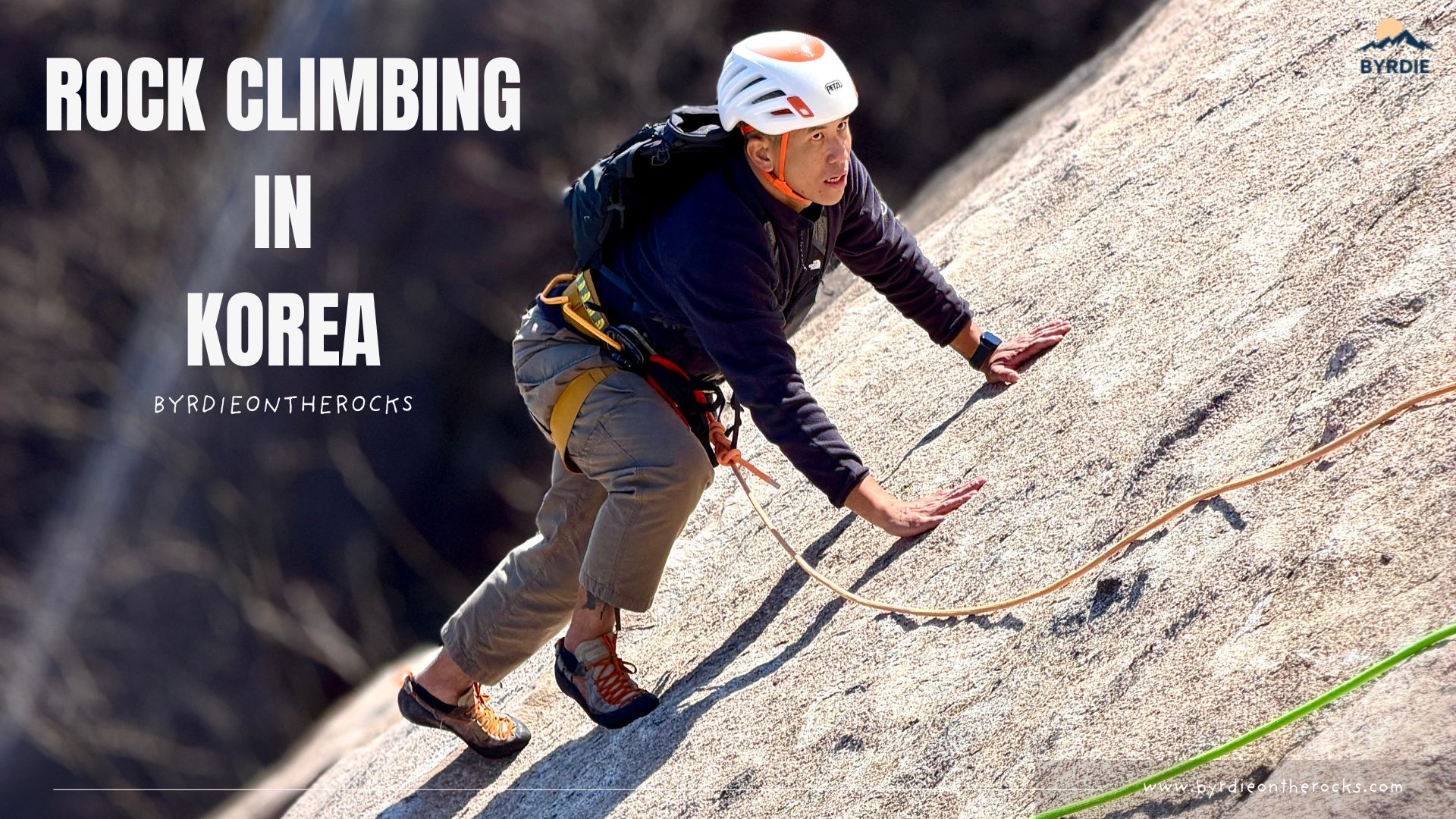
Rock Climbing in Korea
Insubong Granite Slabs and Seoul Mountain Views
🧭 Jump to a section
Welcome to ByrdieOnTheRocks
Hello friends, climbers, and curious wanderers. Welcome back to ByrdieOnTheRocks.
If you have been here before, you already know I like to start with a short intro and a few friendly
notes.
If you are new here, hi and welcome.
This is my little corner of the internet where I share travel stories, climbing experiences, and
personal reflections from a beginner climber who is still learning along the way. I am not a
professional climber and I do not write technical guides. What I share here is the real feeling
of discovering new places as someone who loves climbing, traveling, and learning web development
at the same time. It is a mix of chalk, code, curiosity, and honest experiences.
I sometimes include personal tips, but please always check the weather, consult certified guides,
and put safety first when planning any outdoor climbing trip.
Why Korea Became My Next Climbing Destination
If you have followed some of my previous climbing blogs, you probably already know that one of my
favorite parts about climbing is experiencing different cultures through mountains and rocks.
South Korea was one of the countries in East Asia that I had never visited before, and honestly,
climbing was not the first thing that came to mind when I thought about Korea. Like many people, I
mostly associated the country with food, cafes, and pop culture.
But the more I researched, the more surprised I became by how strong the climbing culture is here.
What makes Korea especially unique is how accessible climbing can be. Just outside Seoul, there are
granite walls, hiking trails, and traditional climbing routes that feel worlds away from the busy
city streets, yet are still reachable by public transportation.
Since outdoor climbing season in this region usually becomes more comfortable around spring, this
trip felt like the perfect opportunity to return outdoors again after taking a break from outdoor
climbing for awhile.
Korea’s Climbing Culture
Another thing that fascinated me about Korea was how diverse the climbing culture is.
Beyond rock climbing, Korea also has a strong winter climbing scene, especially for ice climbing. In
many ways, it reminded me of Japan’s climbing culture, where climbing is deeply connected with the
mountains, seasons, and outdoor traditions.
That seasonal aspect was something I found especially interesting. During warmer months, climbers
come for granite and traditional routes, but in winter many of these mountain areas transform into
ice climbing destinations.
That seasonal aspect was something I found especially interesting. During warmer months, climbers
come for granite and traditional routes, but in winter many of these mountain areas transform into
ice climbing destinations.
After my previous Hokkaido ice climbing trip in Japan, I became even more interested in winter
climbing culture across this region. Seeing how active the climbing scene is in Korea made me
realize this will probably not be my last trip here.
Hopefully next time, I will return during winter with ice tools instead of climbing shoes.
If you missed my previous
Hokkaido ice climbing blog
, you can check it out as well.
×
Interested in my Hokkaido ice climbing trip?
Read about my previous winter climbing trip in Japan.
Read MoreFirst Impressions of Climbing in Seoul
Before this trip, I never expected to find this kind of climbing atmosphere so close to a major
city.
Seoul feels fast, busy, and energetic, but somehow only a short distance away, the environment
completely changes.
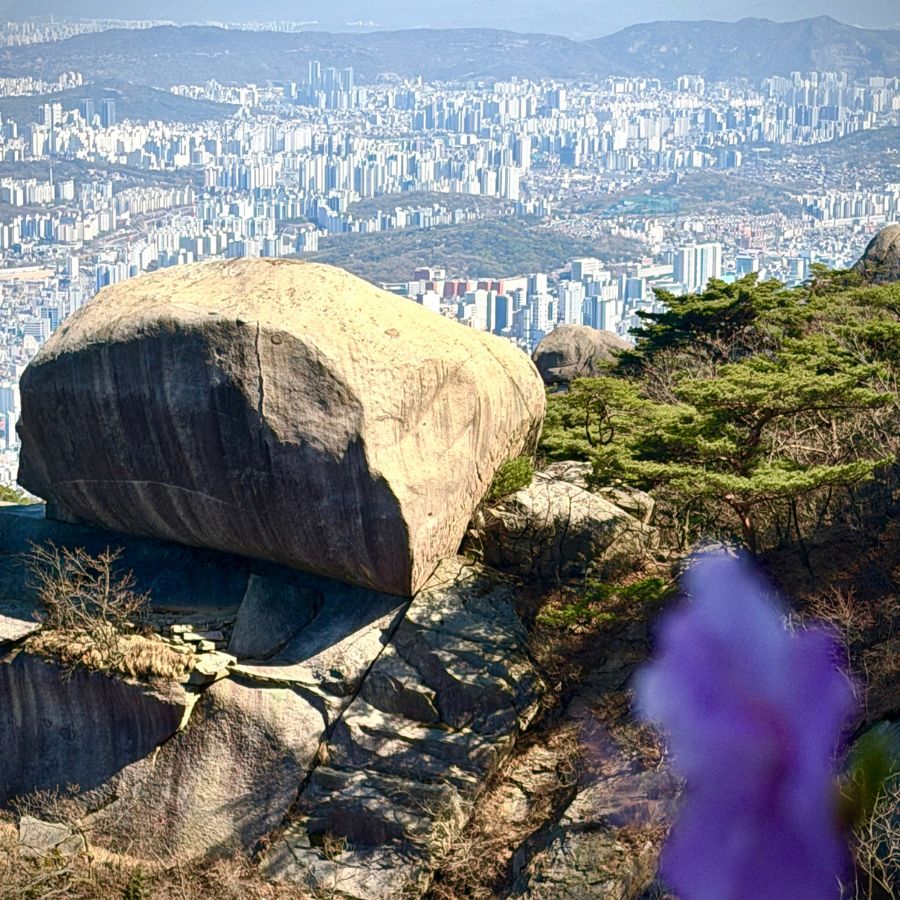
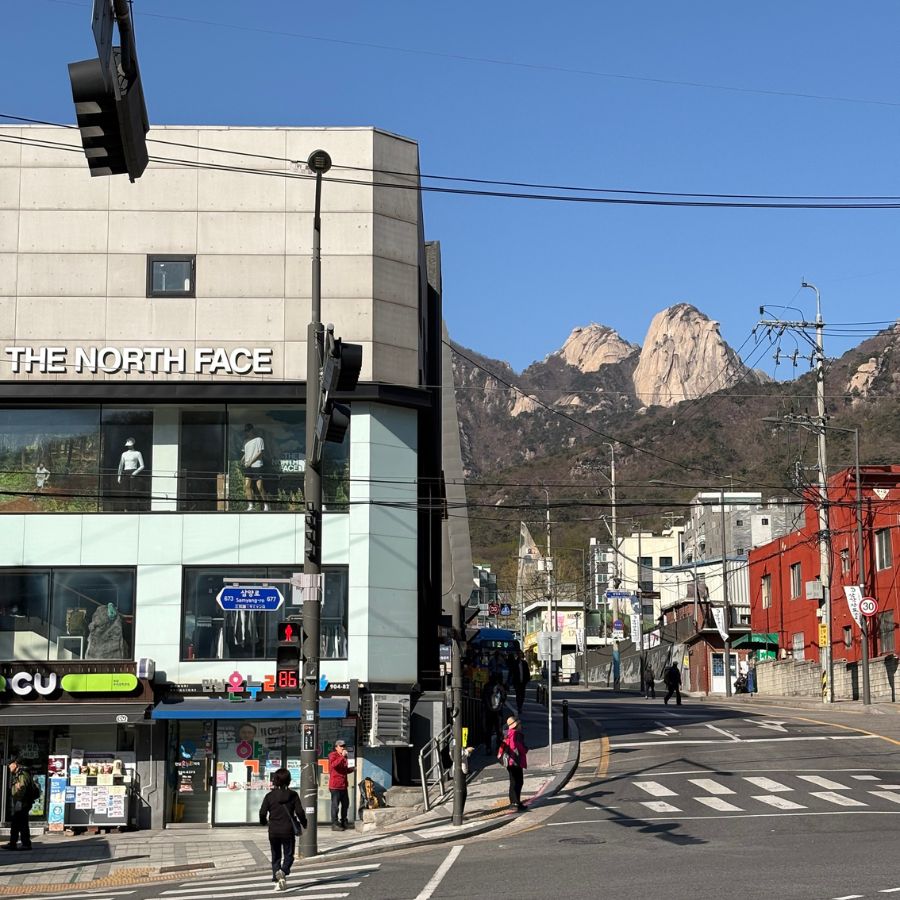
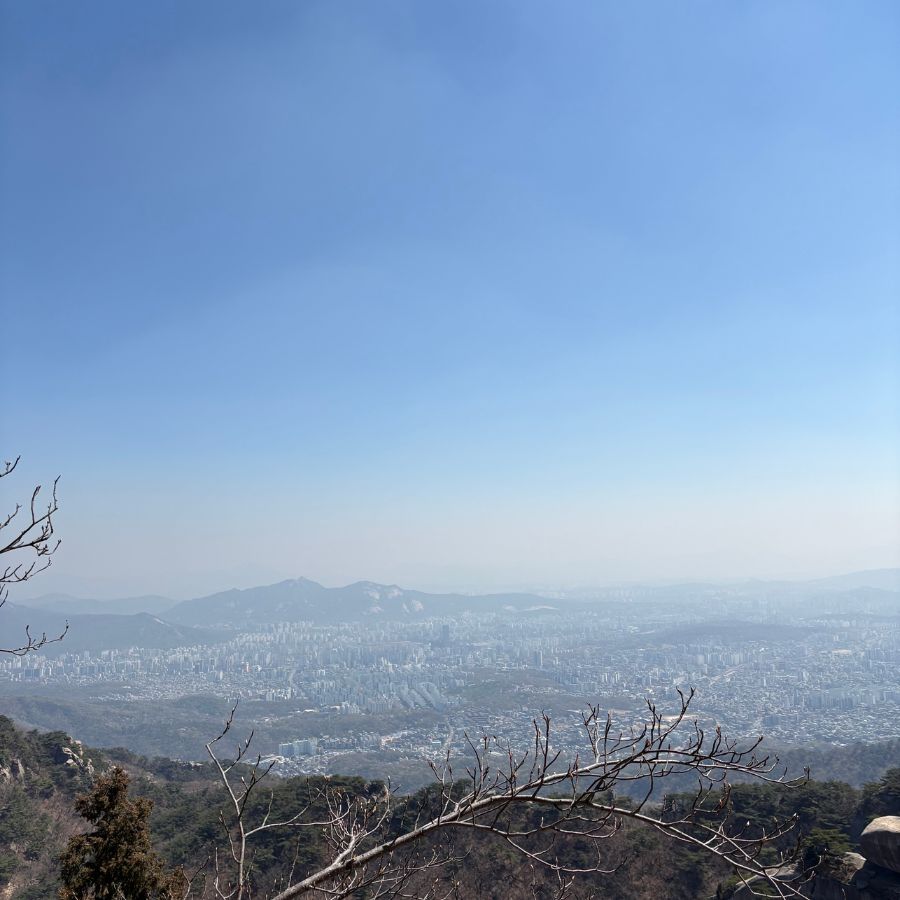
One of the things that stood out to me immediately was the view. Seeing the Seoul skyline from the
mountains while standing on granite slabs felt surreal. It was such a different experience compared
to many climbing destinations I have visited before.
The climbing itself reminded me a lot of
Ogawayama in Japan
, but with more slab climbing and friction-focused movement.
Planning the Trip
This climbing trip was originally planned as a 4 day trip, and it became even more memorable because
I got to explore Korea with friends I usually climb with back home.
The trip was also made possible and planned by
QX
, our favorite certified climbing instructor and guide, who helped organize the entire
experience.
More details about travel, logistics, and preparation will be shared in the next blog.
This trip felt even more special because none of us had been here before, so we got to experience
everything for the first time together.
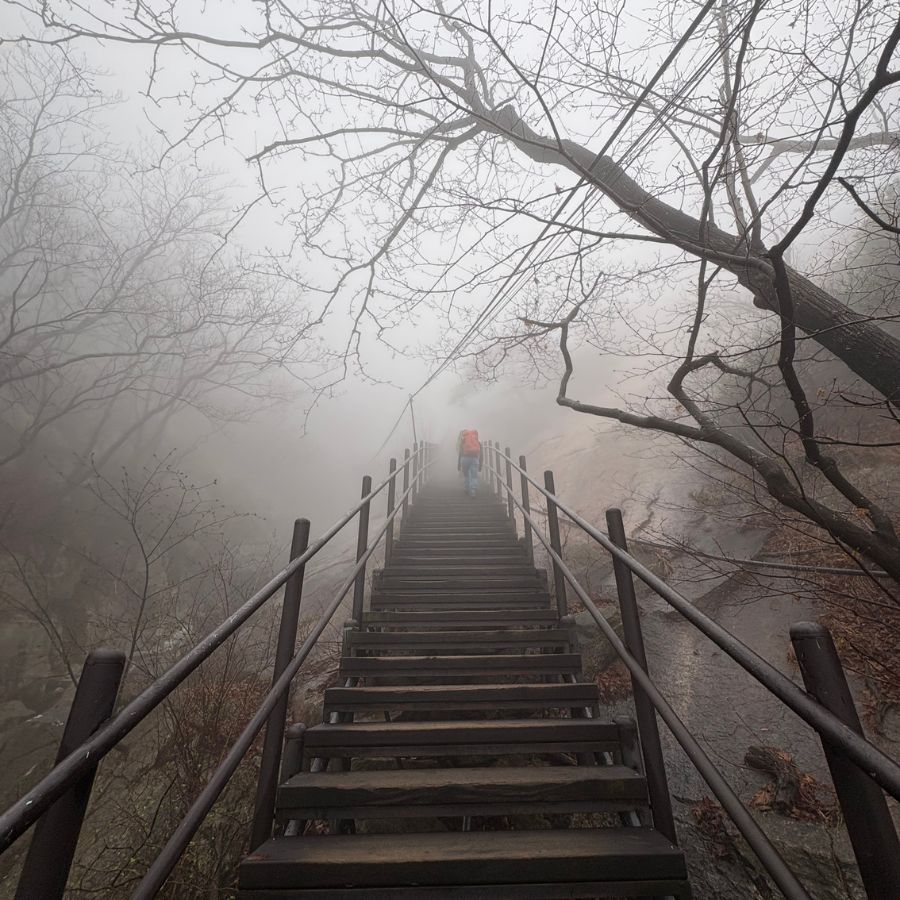
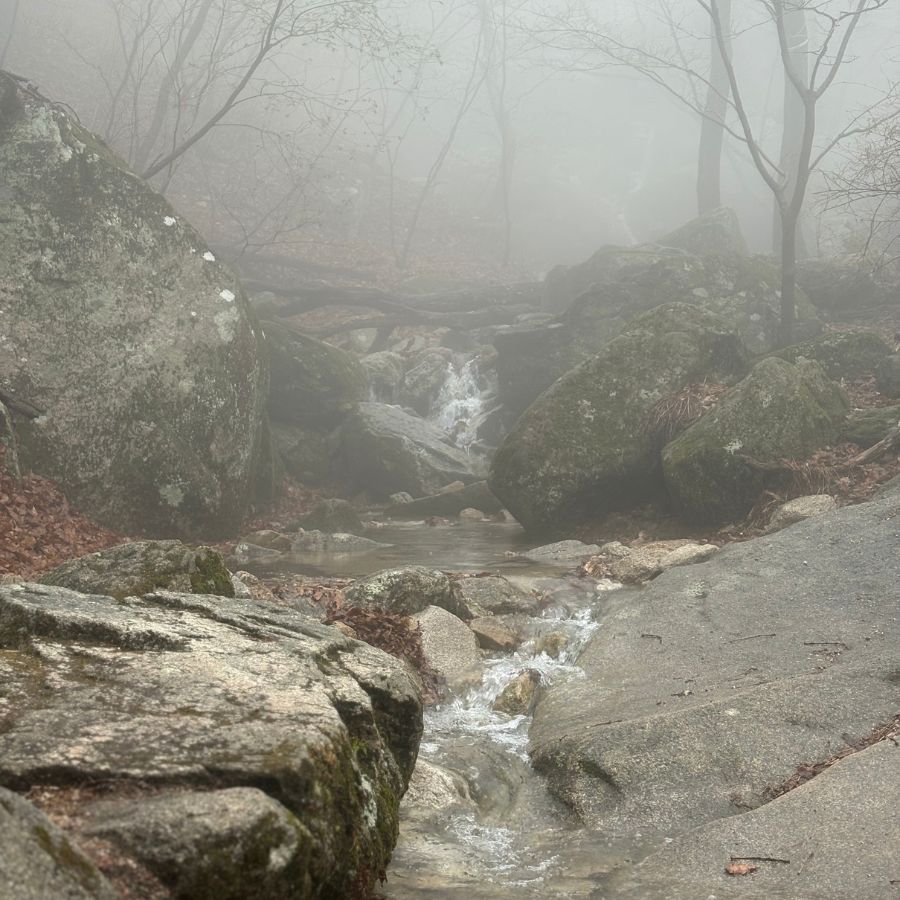
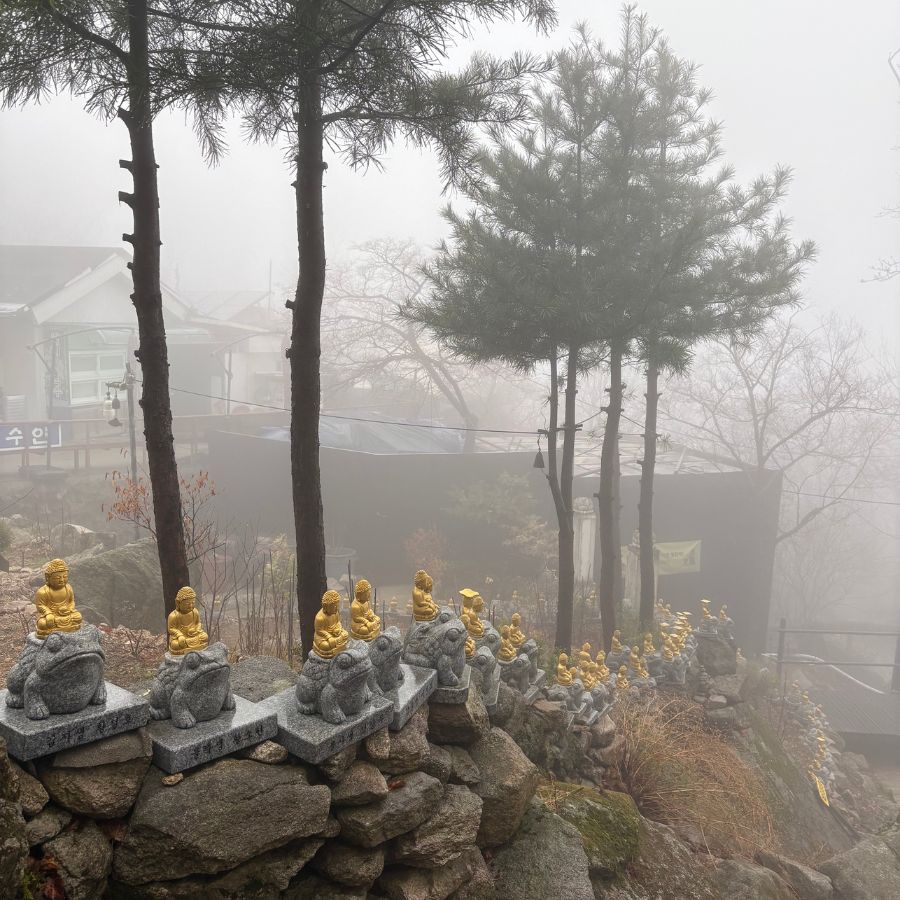
Unfortunately, during our 4 day climbing trip, we were only able to climb for 2 days because of the
changing season and heavy rain.
But honestly, those 2 climbing days still became one of the most memorable climbing experiences for
me.
That is the reality of outdoor climbing and mountain activities. Weather is something we cannot
control, and sometimes you simply have to make the best of the experience
Climbing at Insubong and Bukhansan National Park
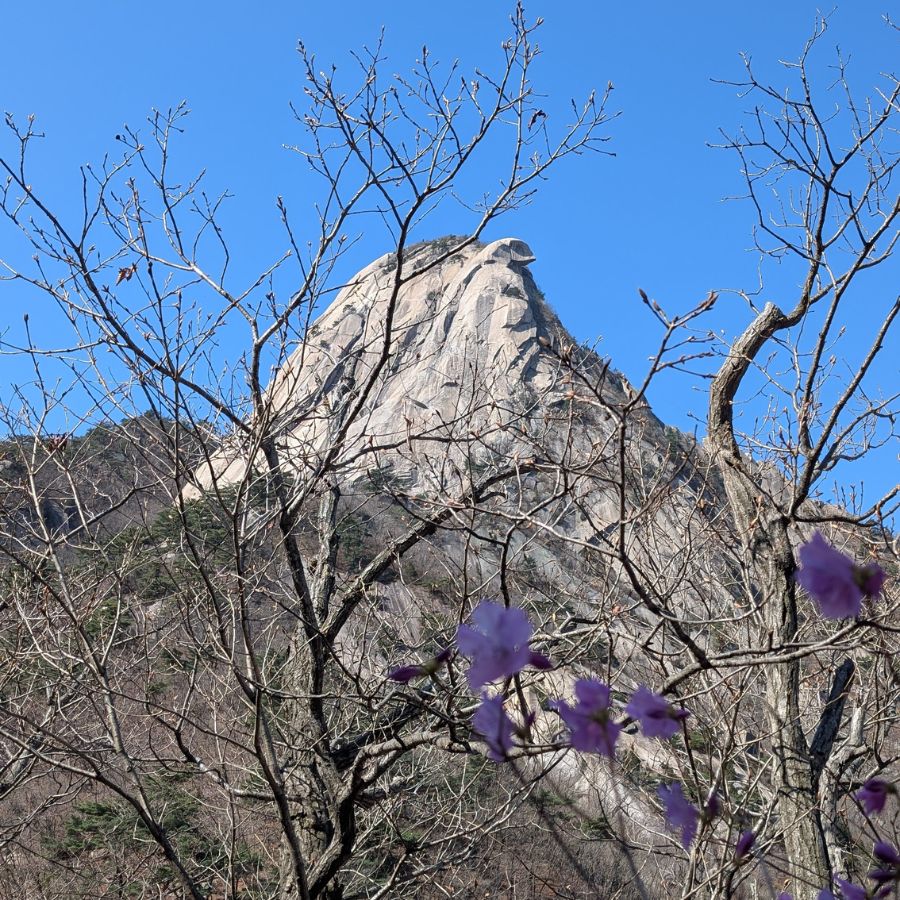
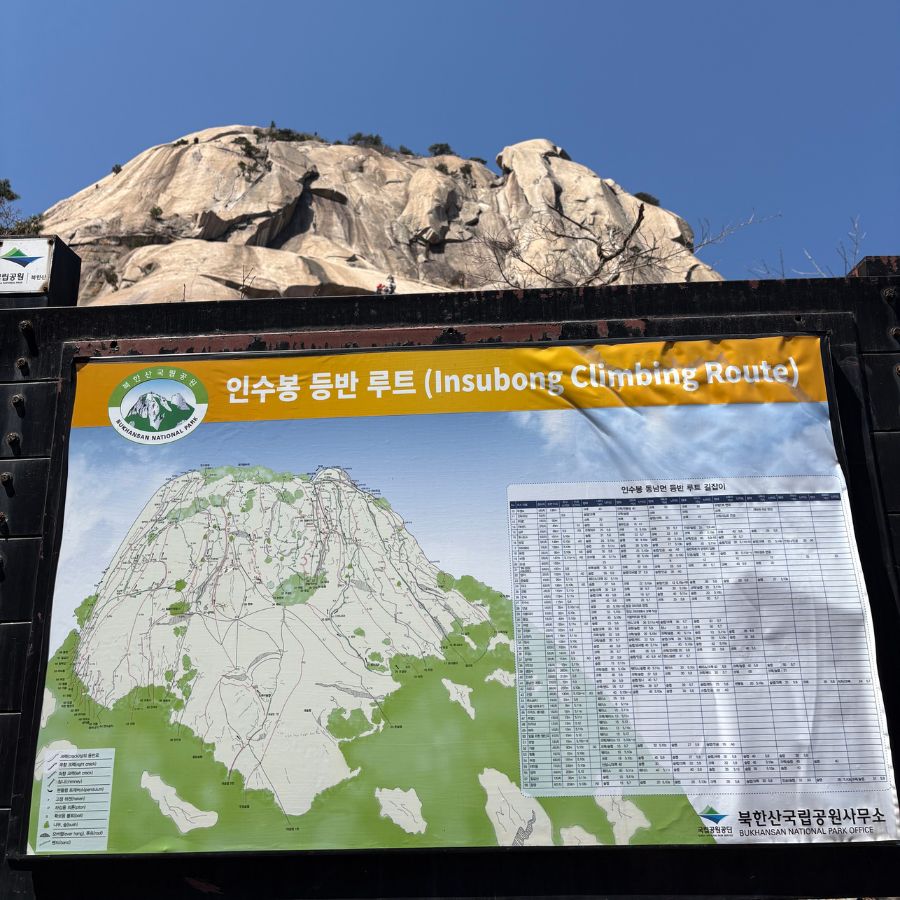
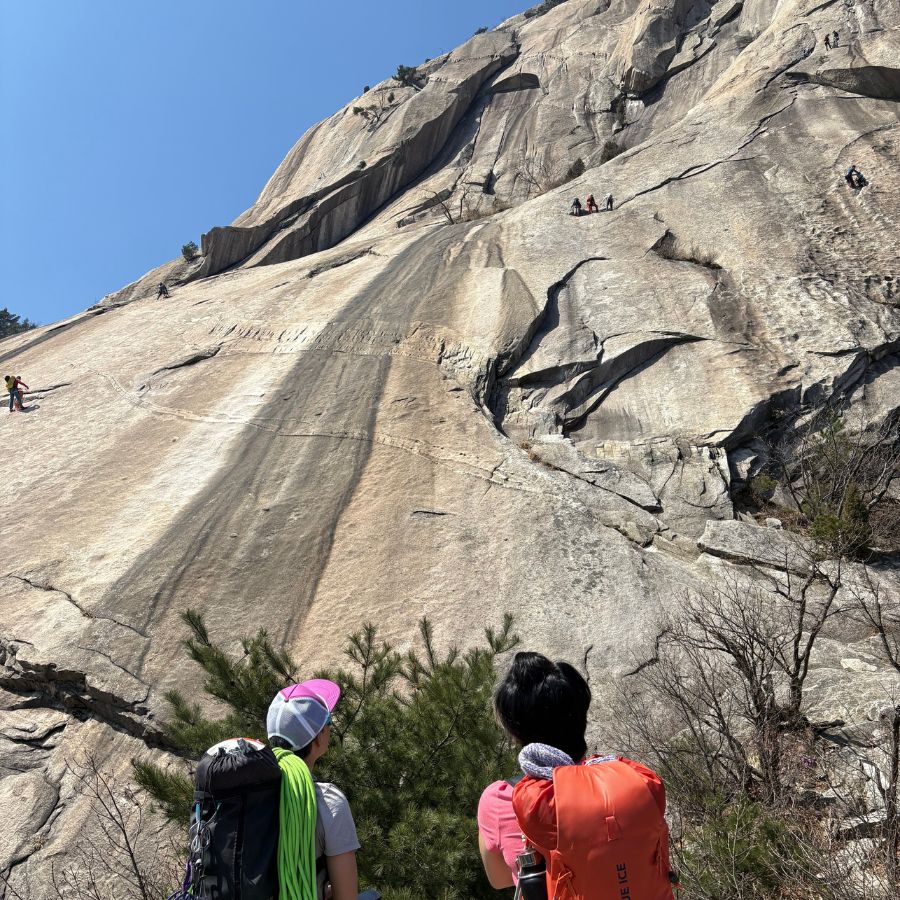
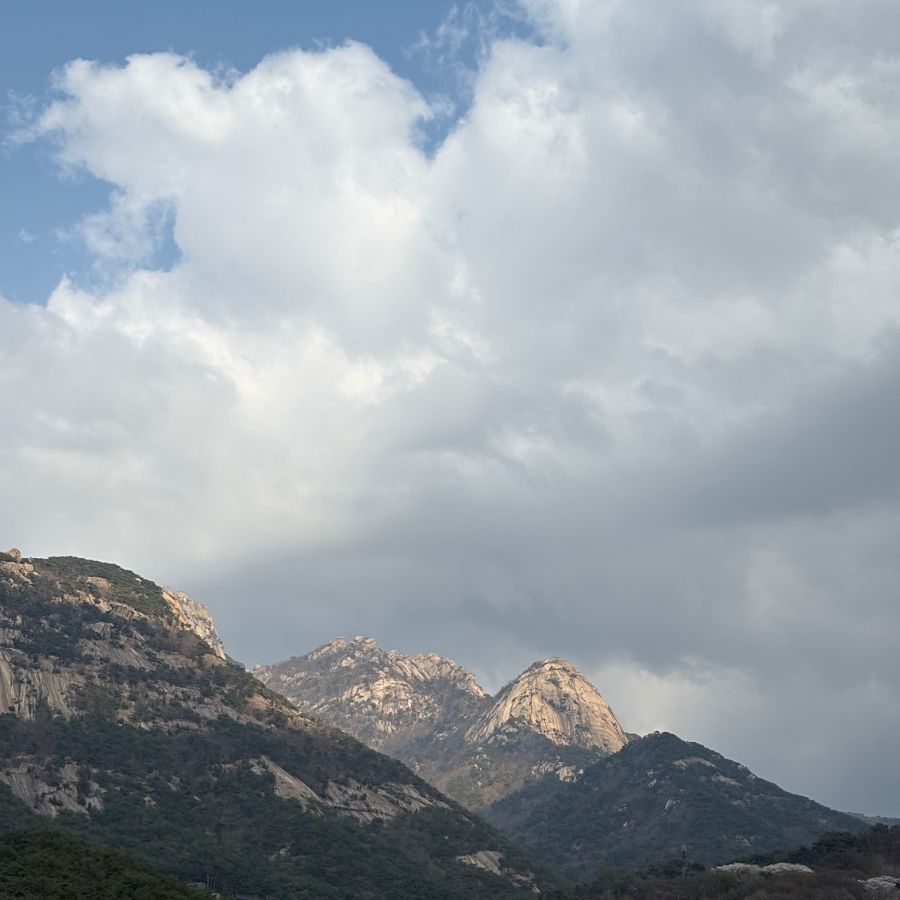
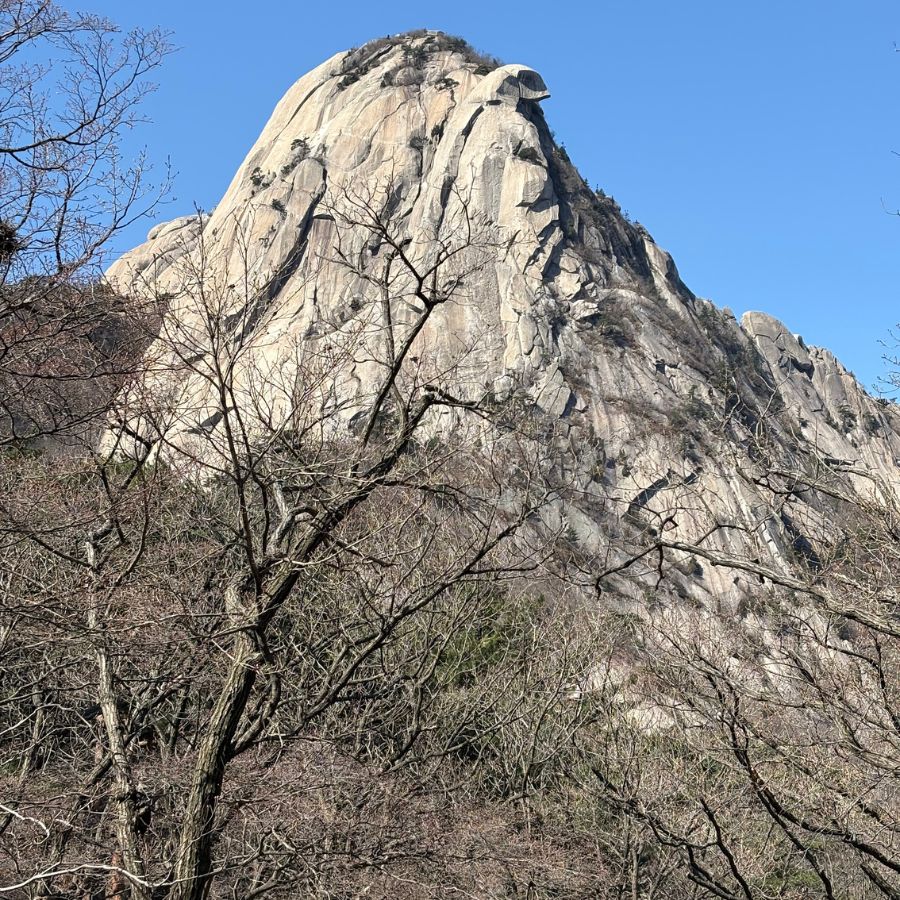
The climbing area is located in the heart of
Bukhansan National Park
, around the famous Insubong peak.
There are countless climbing routes spread throughout the area, and many of them are multi pitch
trad climbing routes from what I observed.
If you are new to outdoor climbing or
trad climbing
, having an experienced climber or certified
guide is highly recommended.
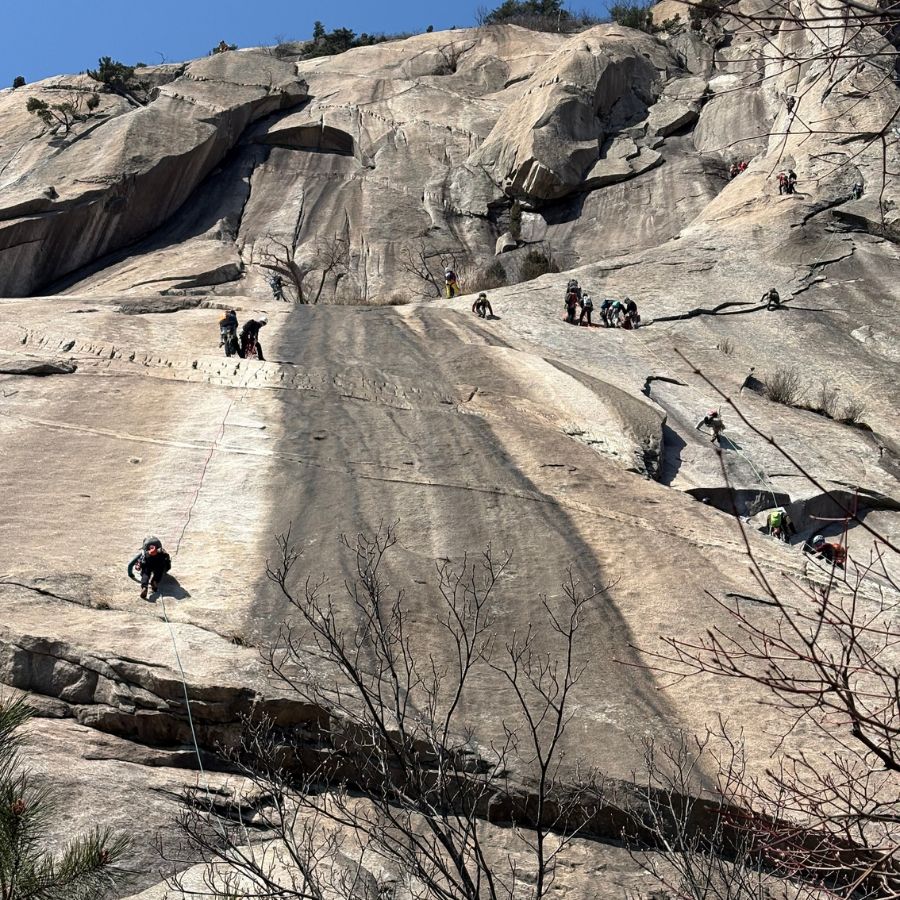
One thing that immediately stood out to me was how established and active the climbing scene felt.
Even on weekdays, there were already many local climbers on the wall.
I think this really reflects Korea’s long climbing culture. When you have a climbing destination
this accessible from the city, it naturally becomes active almost every day.
Day One: Hiking to Insubong
Our first day's weather was amazing. Sunshine, cool spring air, and trees slowly changing color made
the entire hike feel perfect.
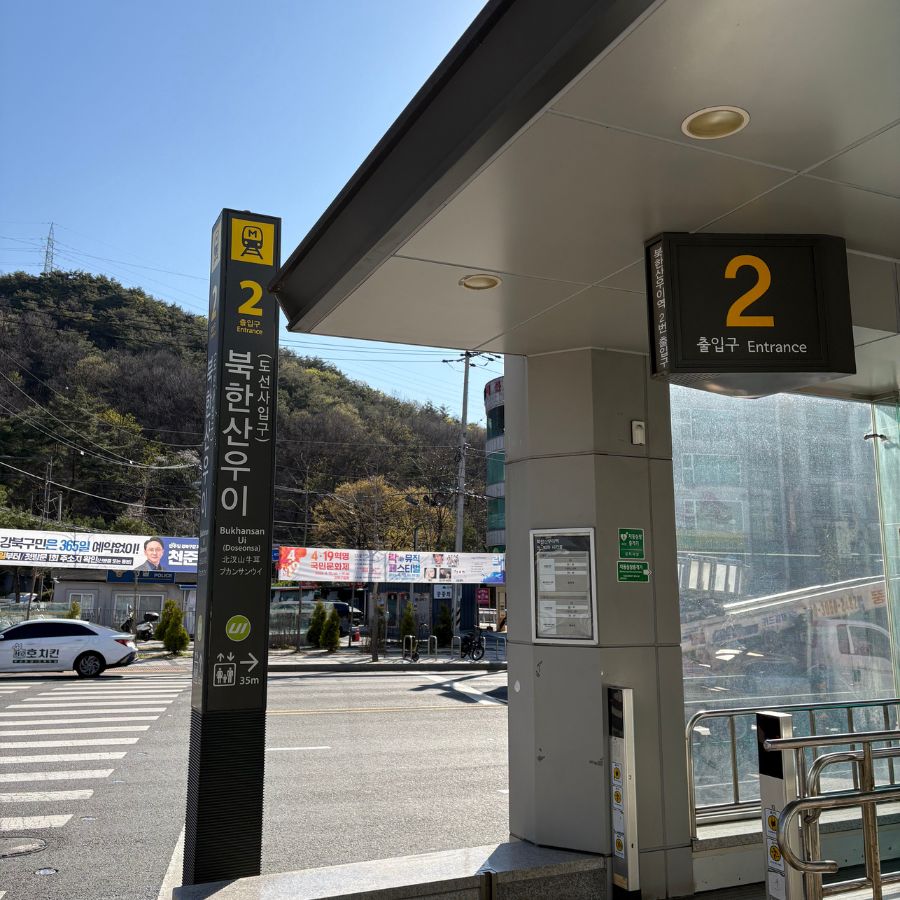
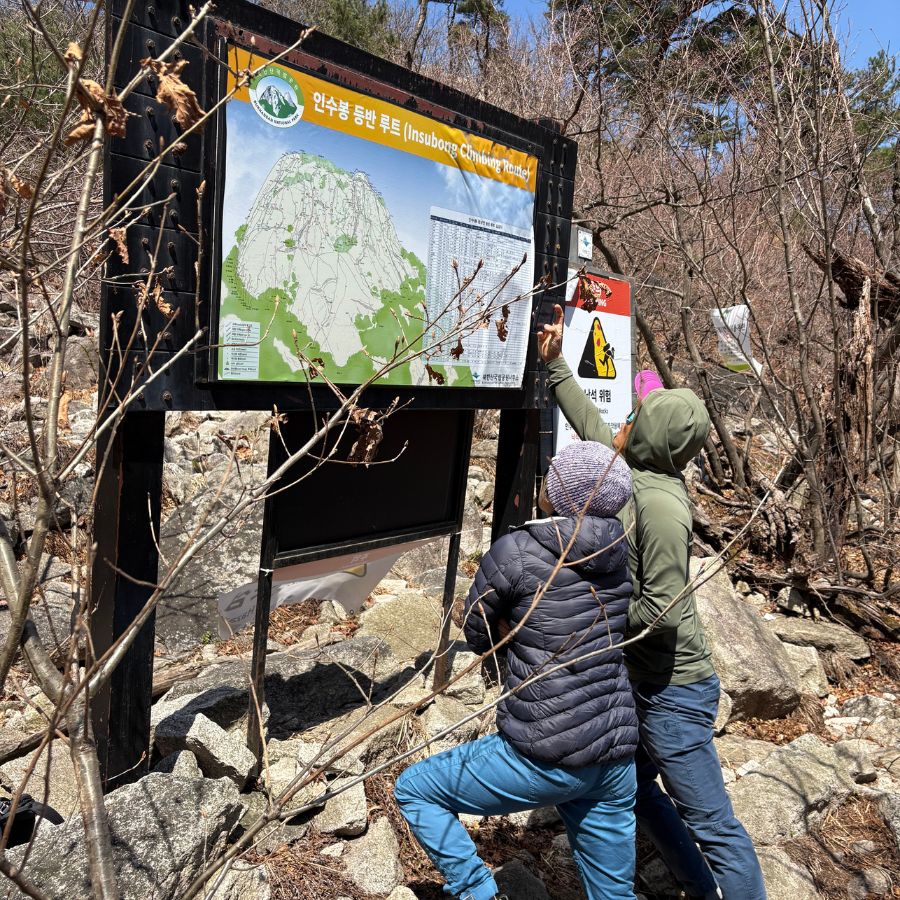
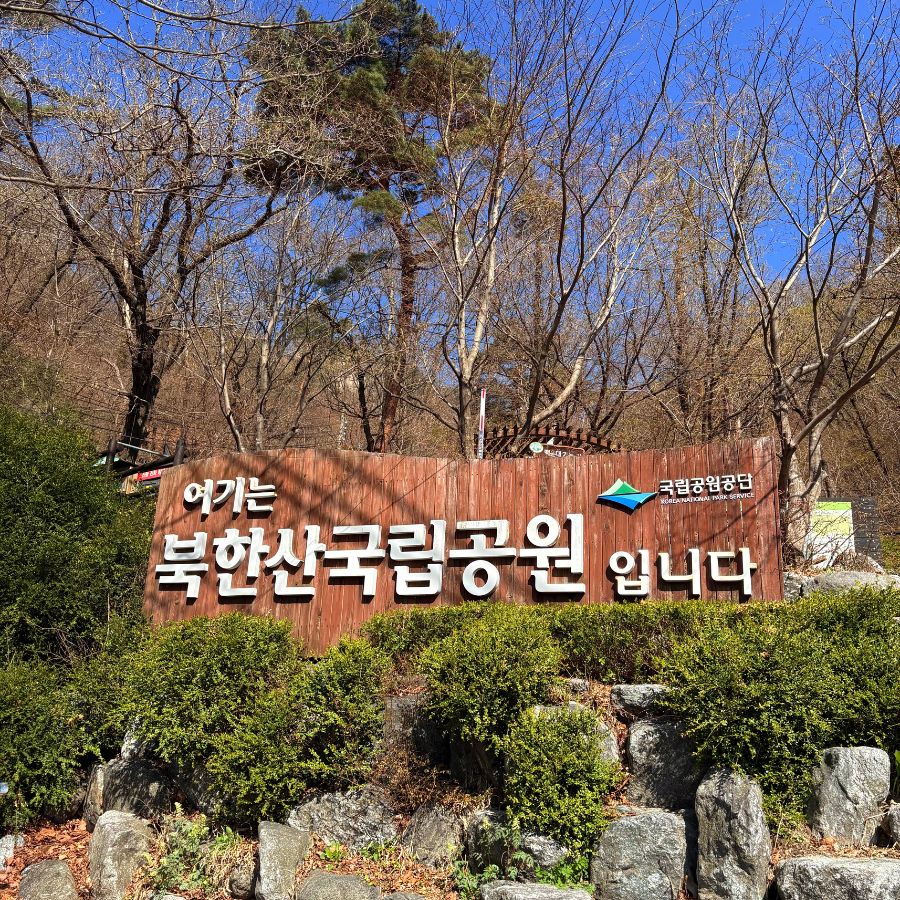
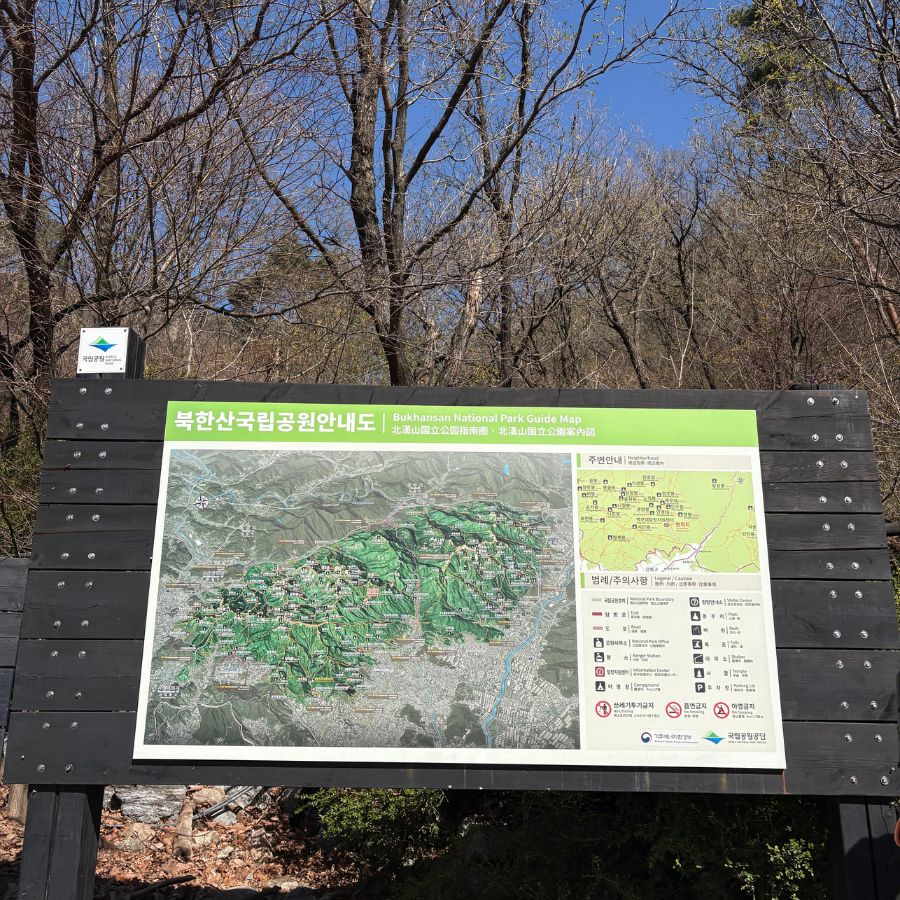
The three of us met at the park entrance early in the morning, and we immediately realized how busy
the area was. Not just with climbers, but also with hikers.
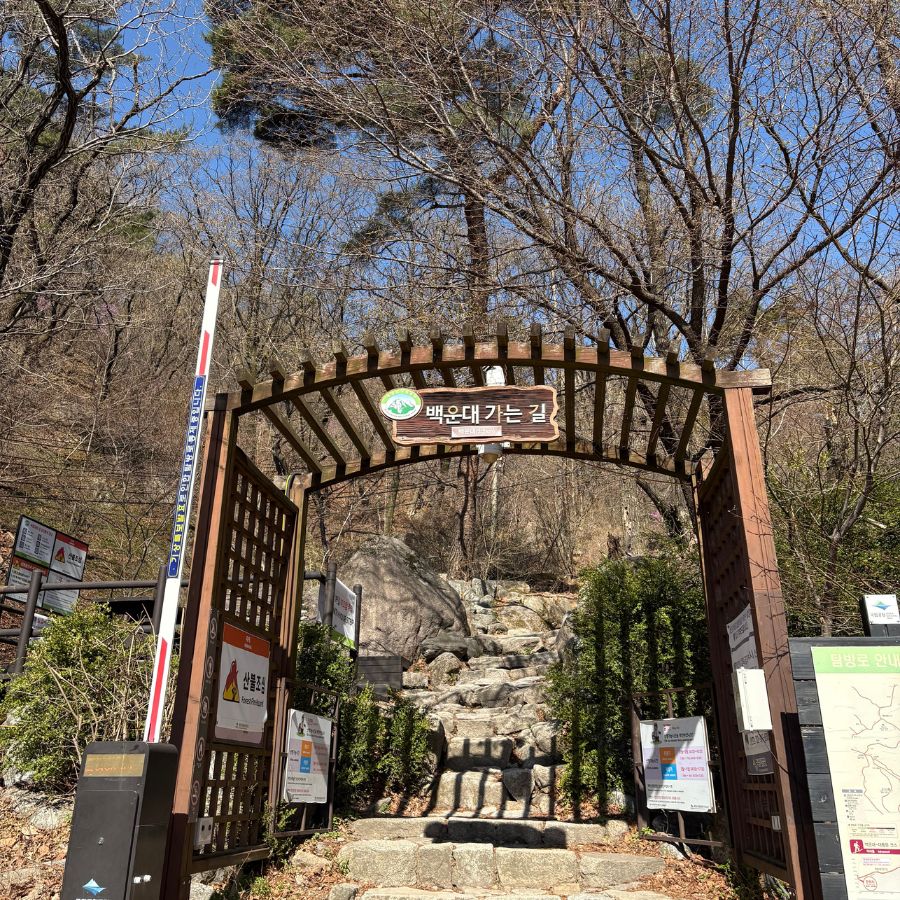
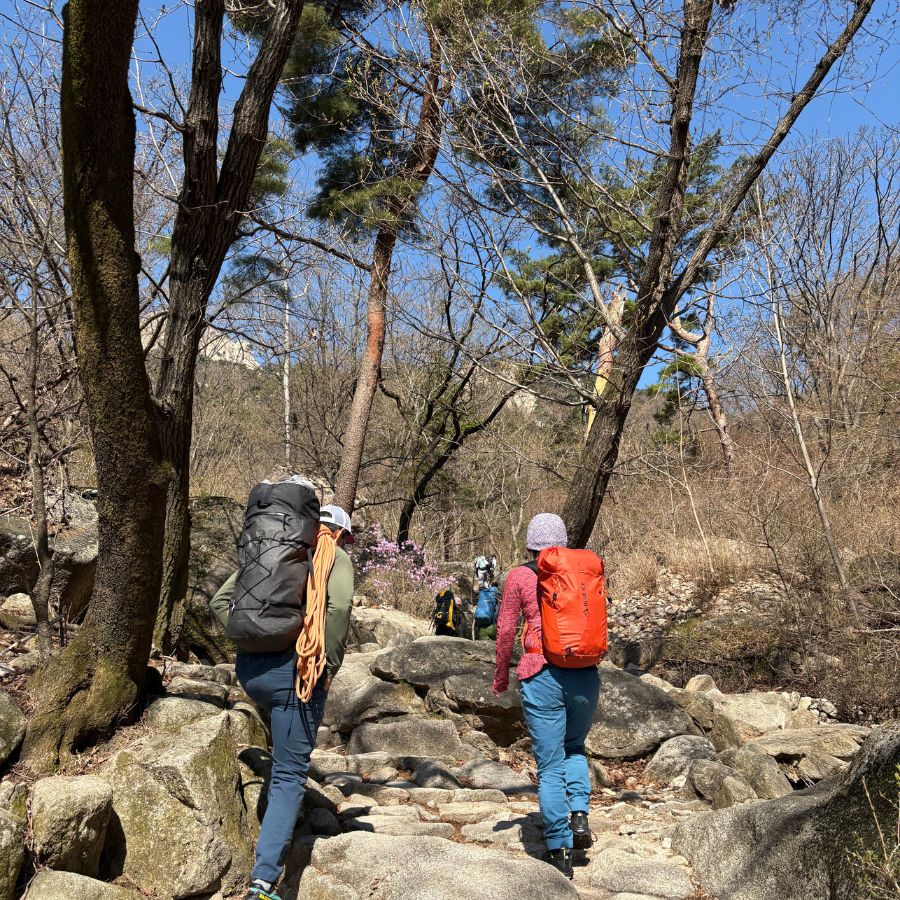
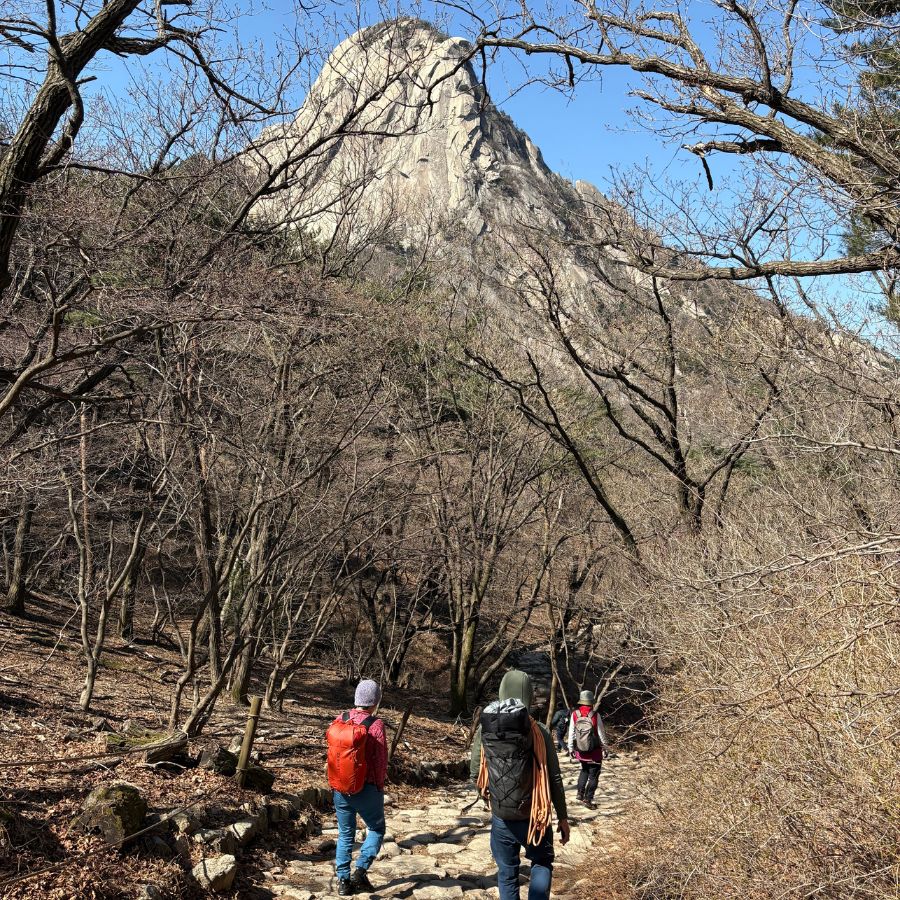
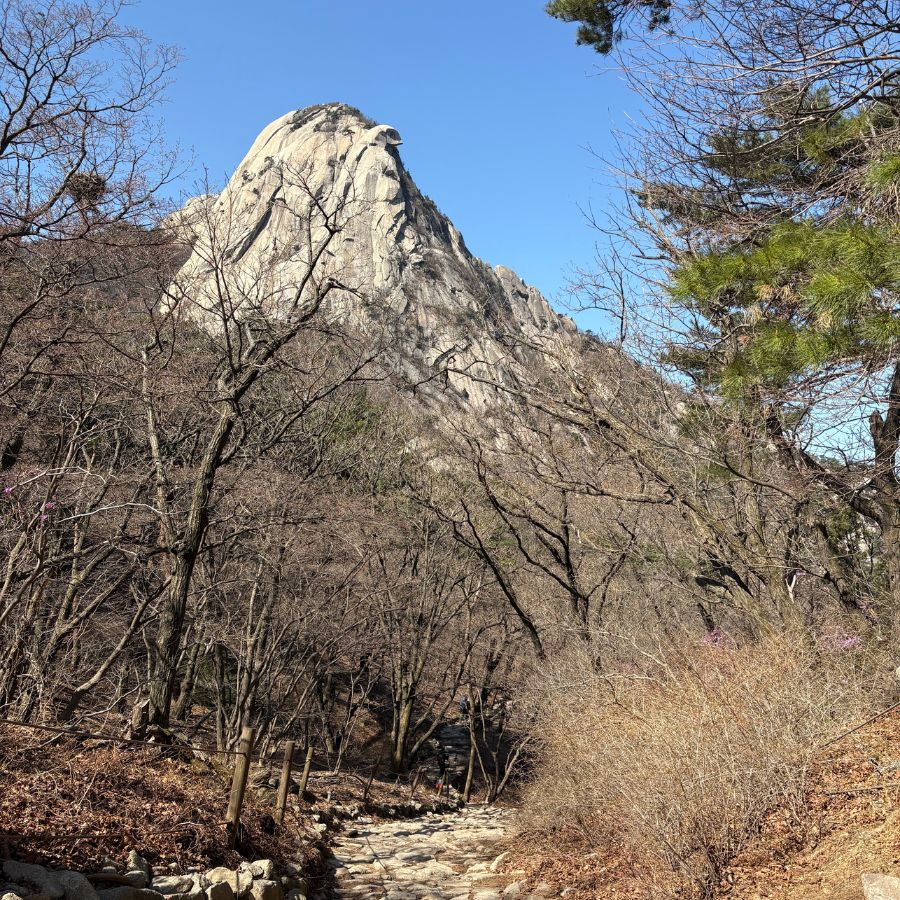
To reach
Insubong
, you need to hike for around 30 to 40 minutes, but the trail itself is very
straightforward and well maintained.
As someone who loves hiking and walking, I already knew it was going to be a good day.
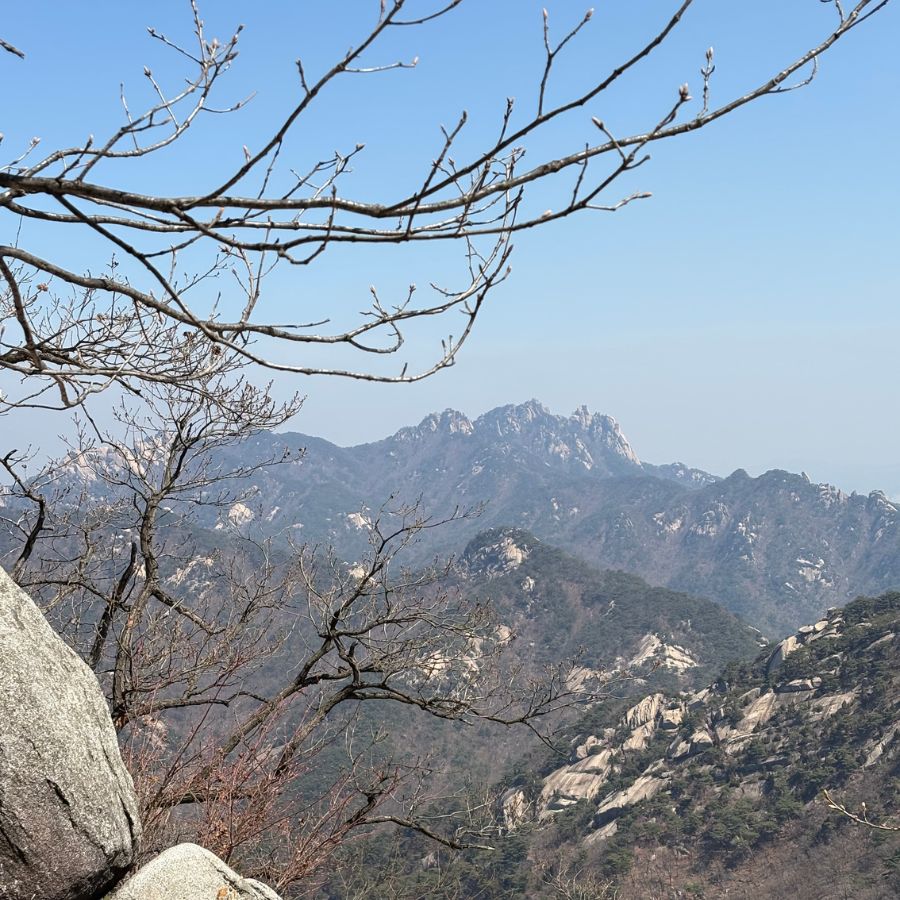
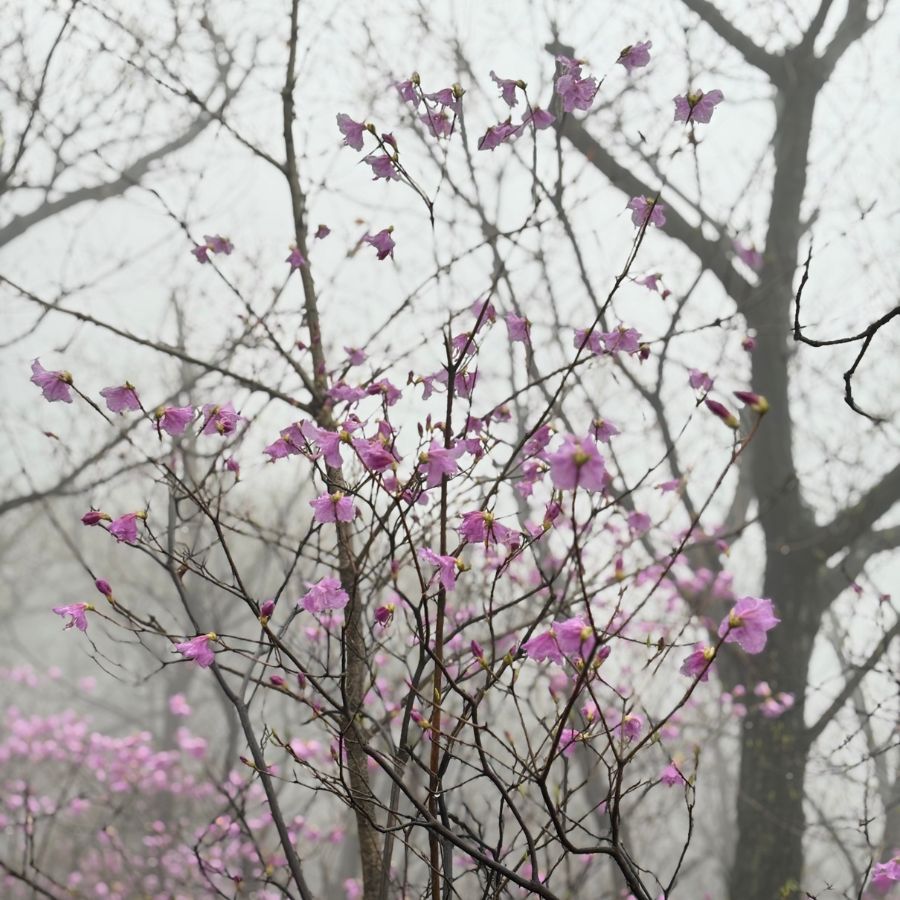
During the hike, the trail was surrounded by spring colors, blooming flowers, and views of Insubong
rising above the forest.
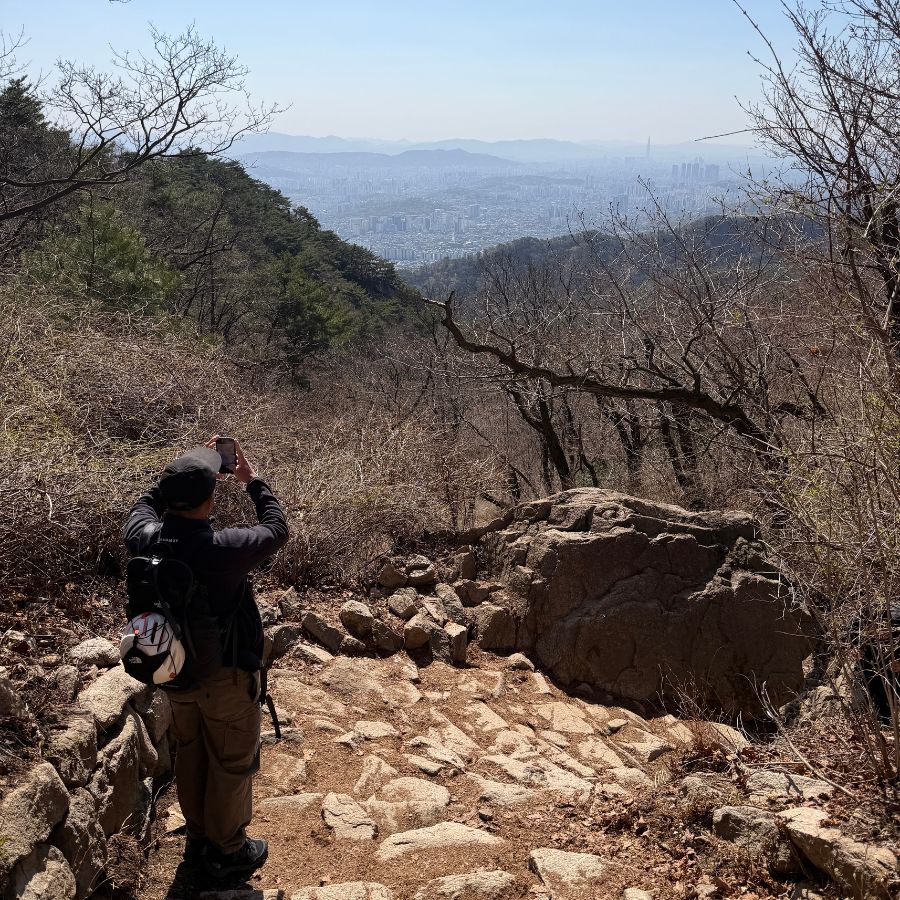
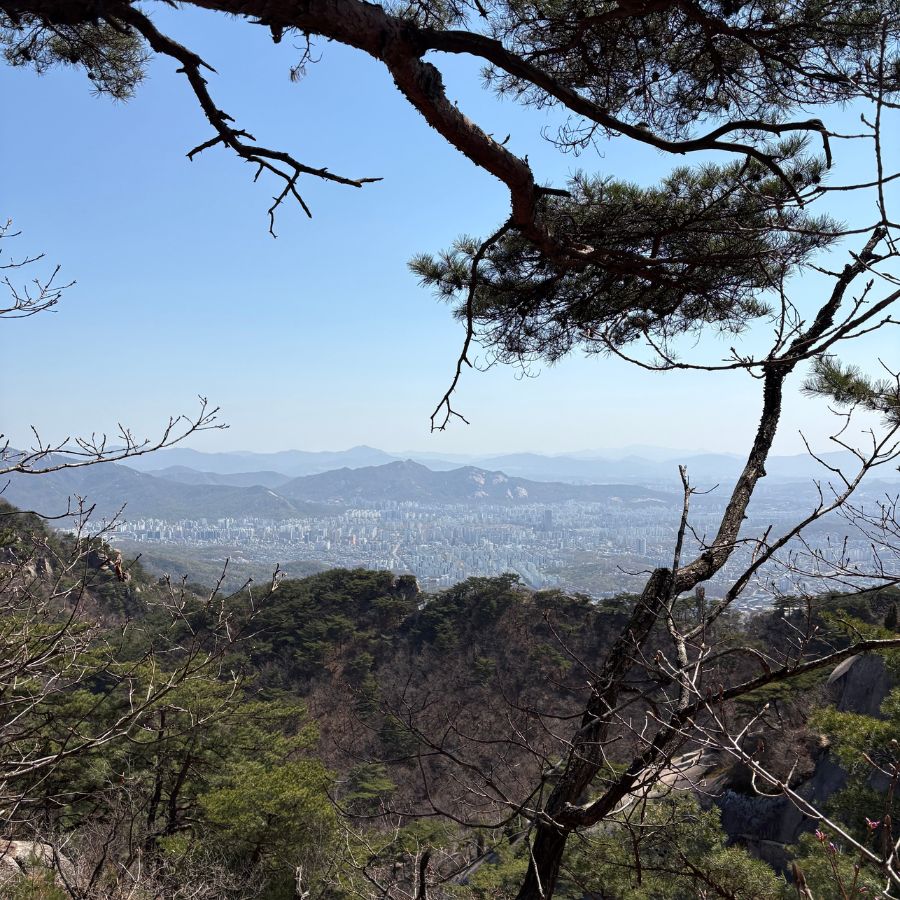
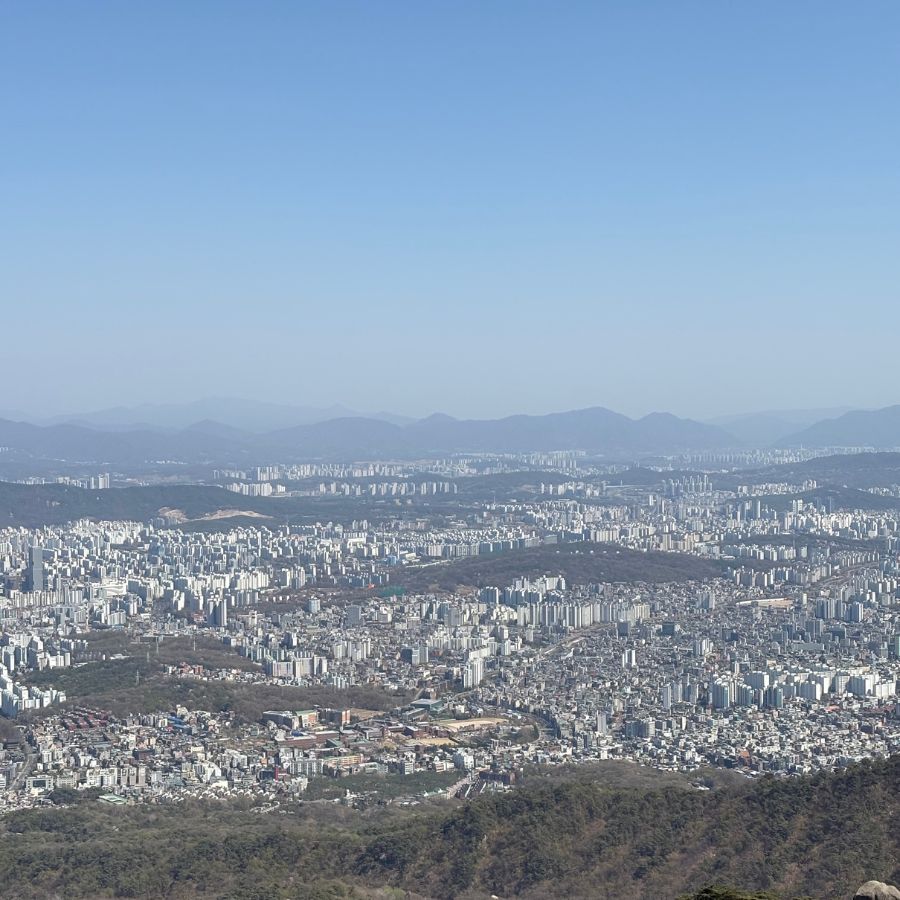
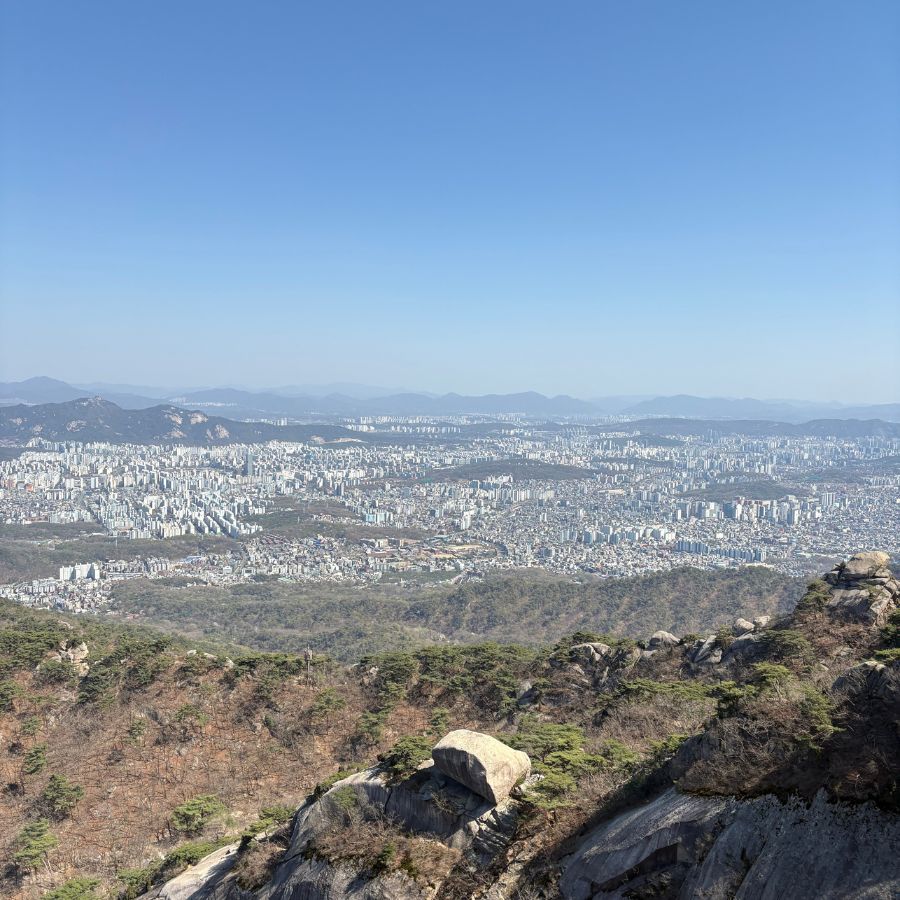
Looking back toward Seoul, you could see the entire city skyline from the mountains. It was one of
those views that photos cannot fully capture.
The combination of granite walls, forest trails, and Seoul’s skyline made the entire approach feel
unique compared to many climbing destinations I have visited before.
Day One: First Slab Climbing Experience in Korea
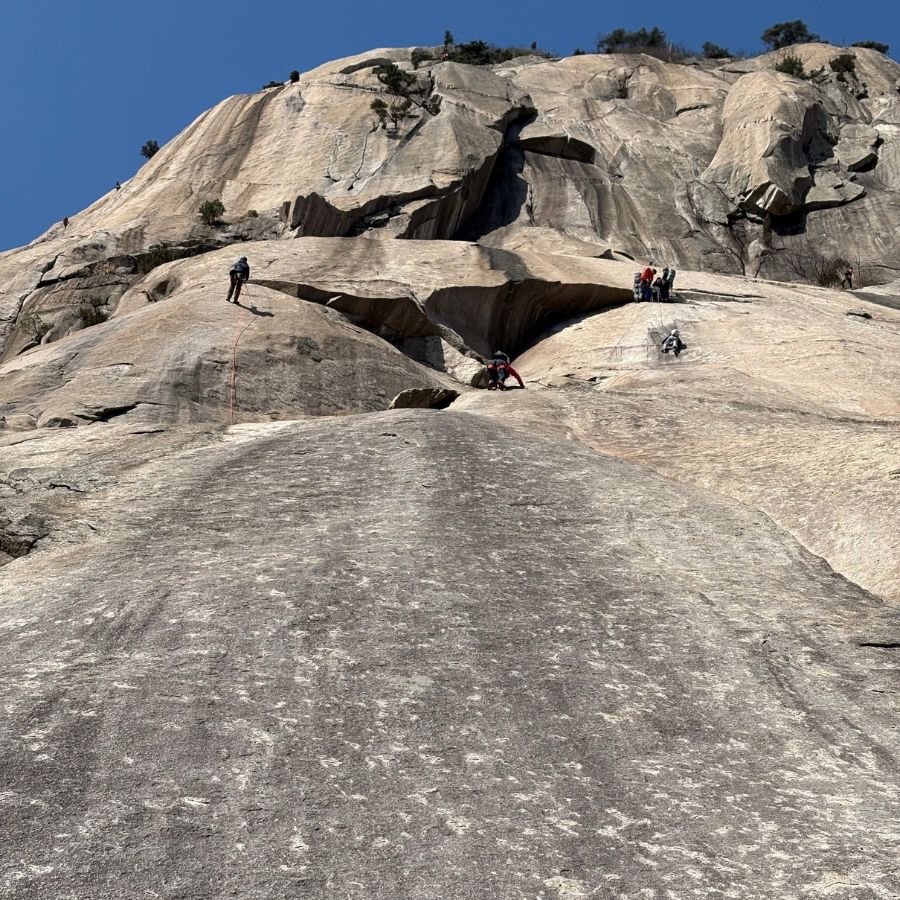
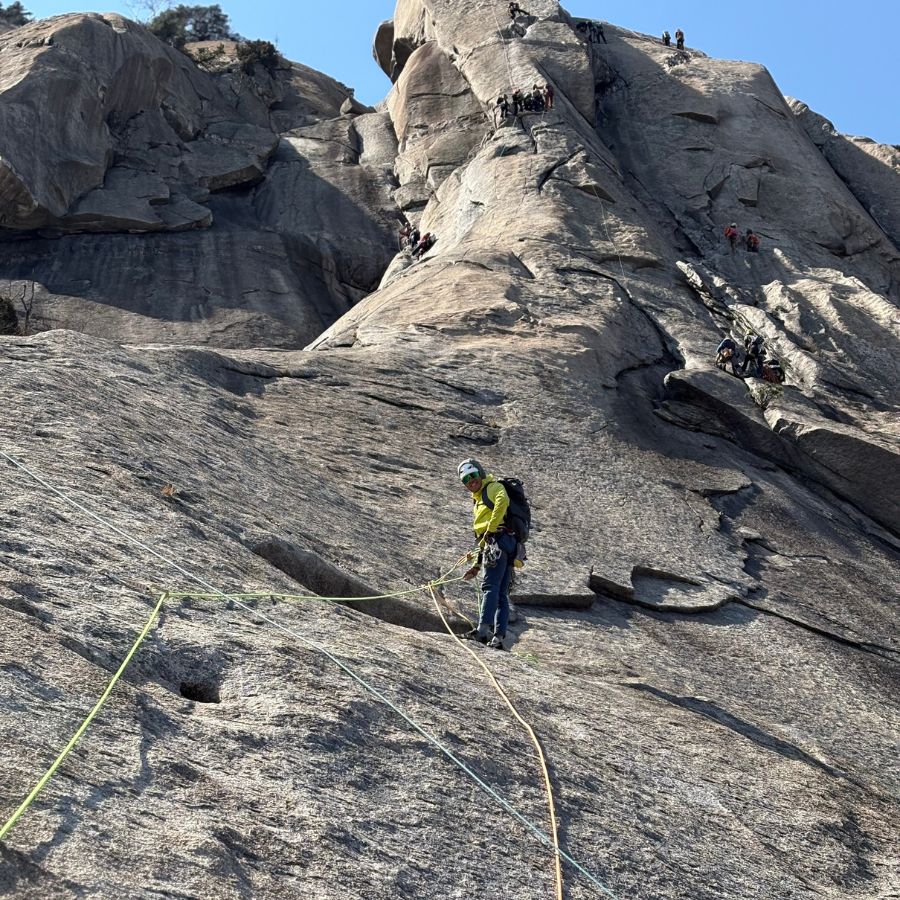
We reached Insubong around 10 AM, and there were already many local climbers on the wall. Some
groups were already halfway through their second or third pitch.
I think this really reflects Korea’s long climbing culture. When you have a climbing destination
this accessible from the city, it naturally becomes active almost every day, even on weekdays.
The climbing area itself was also very well maintained. Bolts, anchors, and equipment all looked
modern and well taken care of.
Even though the walls were already busy with climbers, there were still plenty of routes available.
The atmosphere felt incredibly lively. Hikers passing below the walls, climbers moving across
granite slabs, and Seoul visible in the distance made the entire experience feel surreal.
Even before starting the first route, I already knew this trip was going to become one of my
favorite climbing memories.
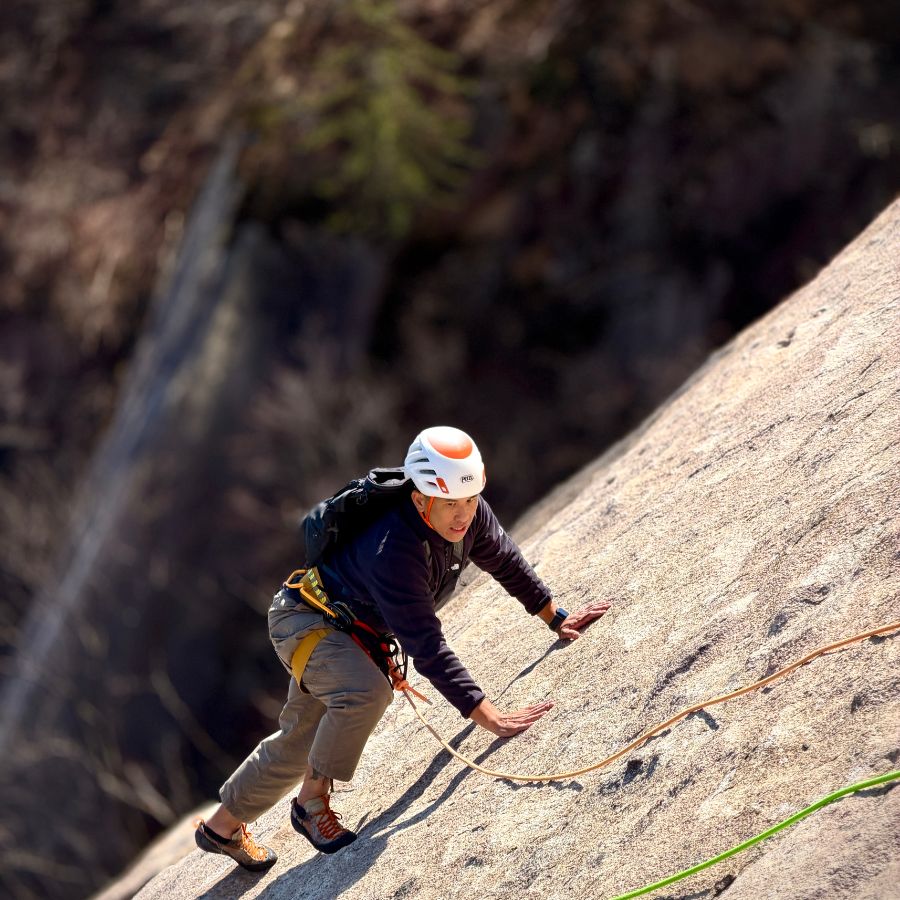
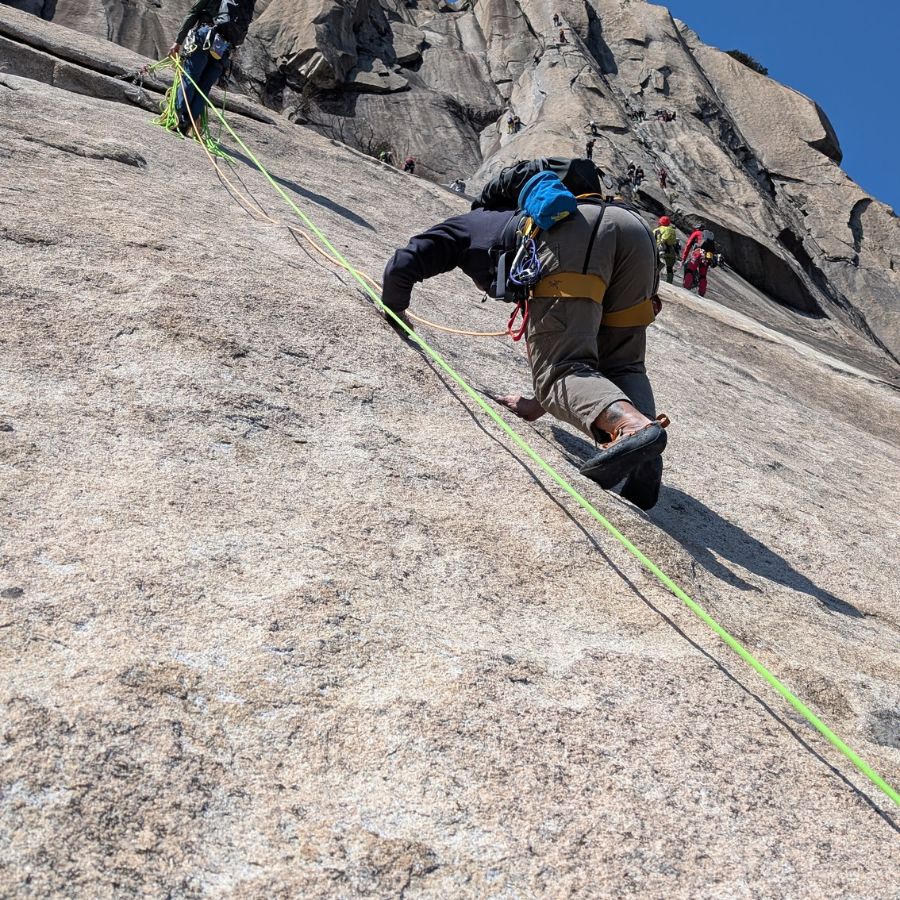
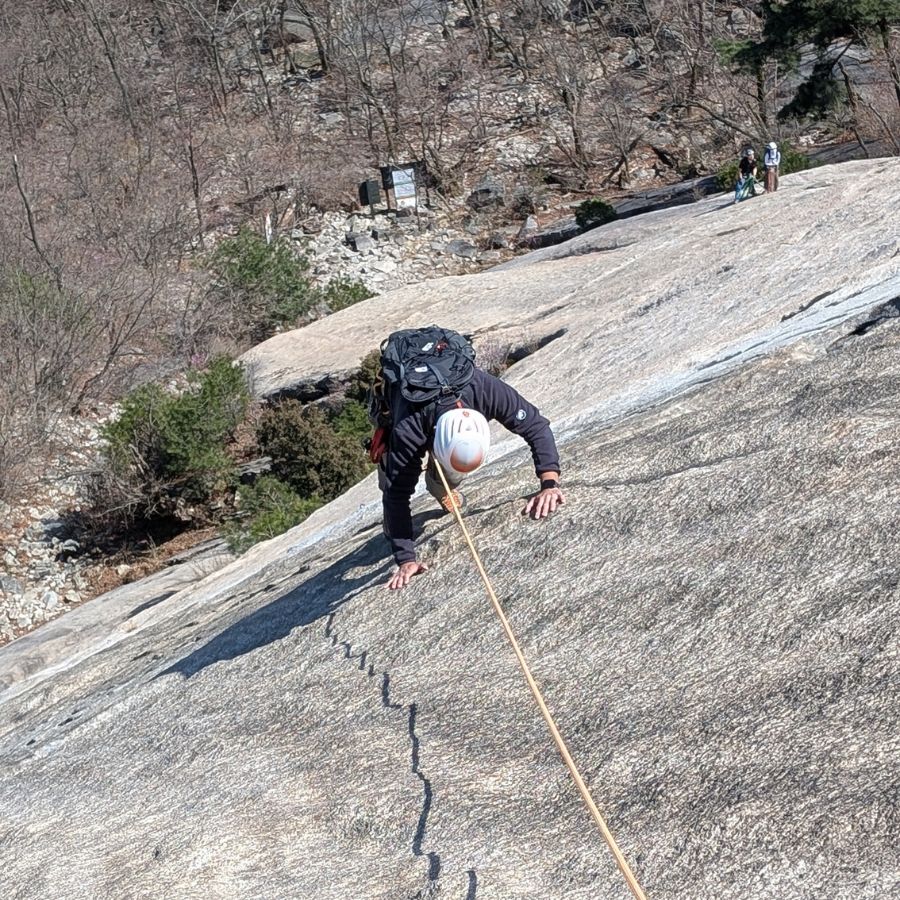
On our first day, we climbed around five pitches mainly to get used to the climbing style, granite
friction, and overall conditions at Insubong.
One thing I wish I had prepared better for was the temperature. Even though it was sunny, the wind
became surprisingly cold once you stayed at the anchor for long periods of time, especially during
spring.
.
As you climb higher, the temperature can easily drop below 10 degrees Celsius, so having proper
layered clothing is highly recommended for climbing in Korea during this season.
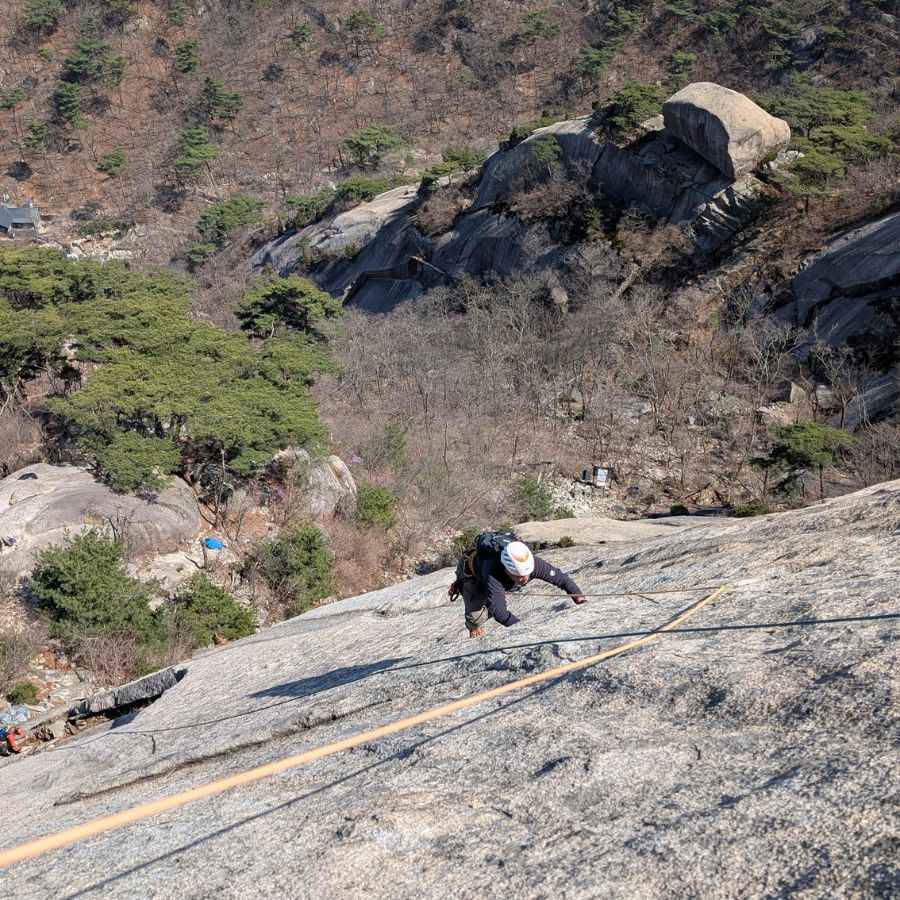
The climbing itself was incredibly fun. At times it felt challenging because I am still not very
used to slab climbing and traversing movement, but that also made the experience more exciting.
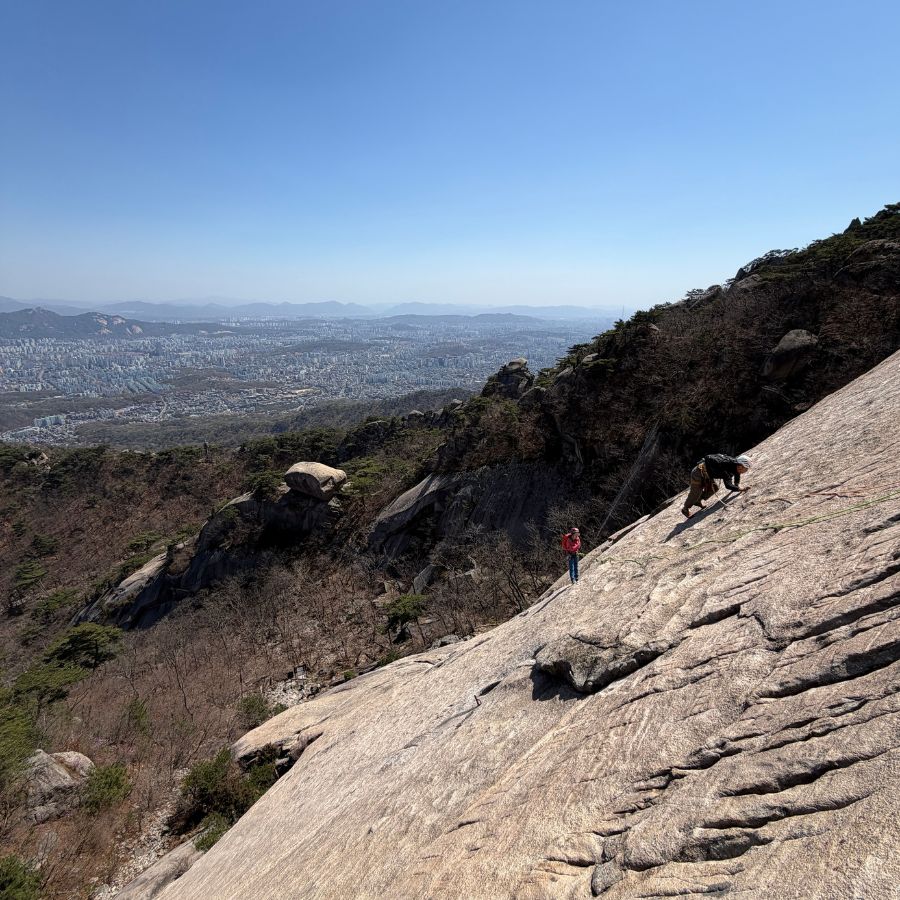
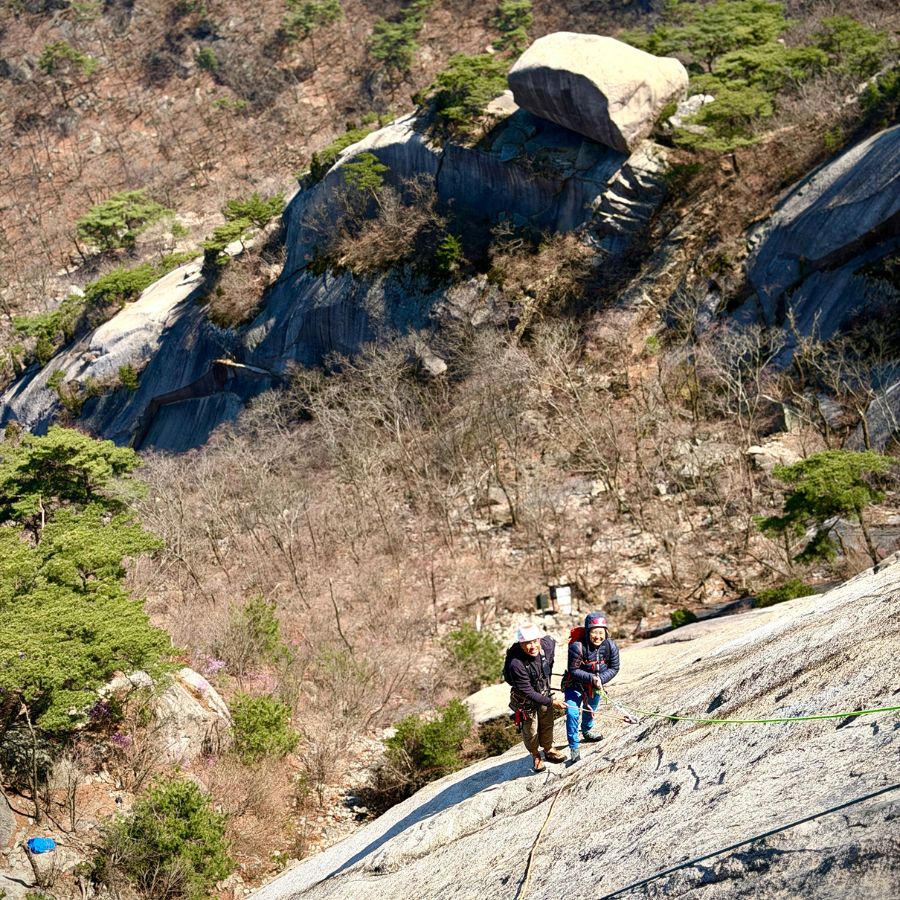
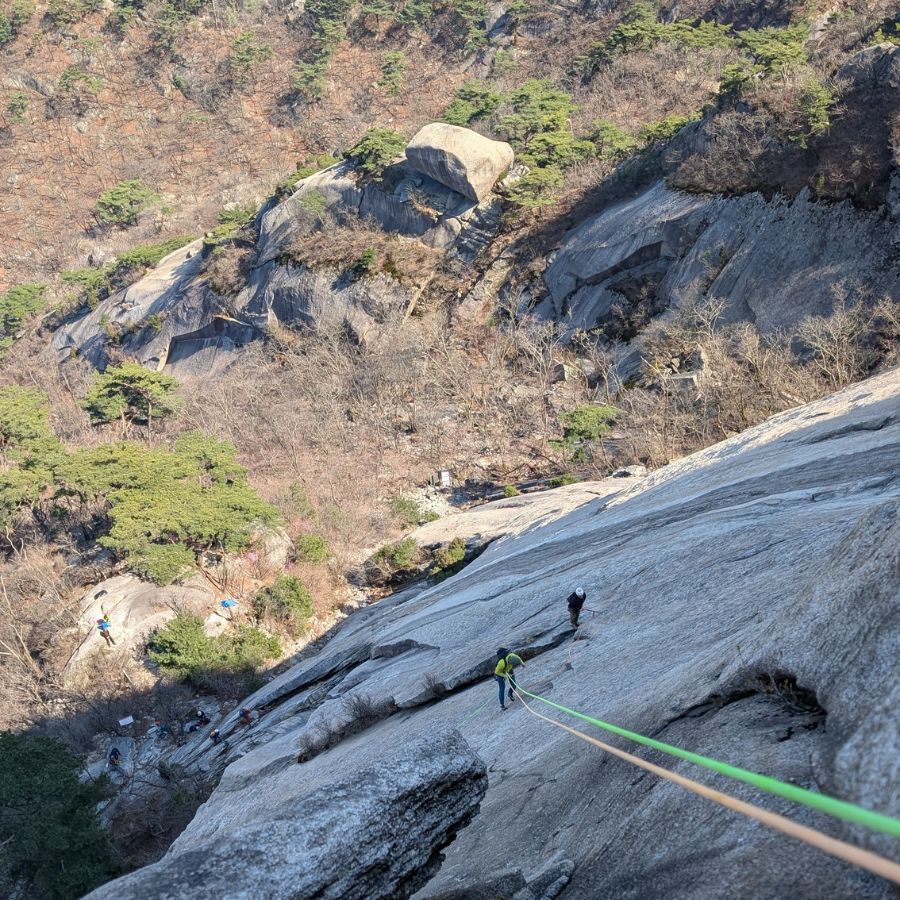
What made everything completely worth it was the view from Insubong. Seeing Seoul from the granite
walls felt surreal. It honestly felt like watching two completely different worlds collide into one,
where the city meets the mountains.
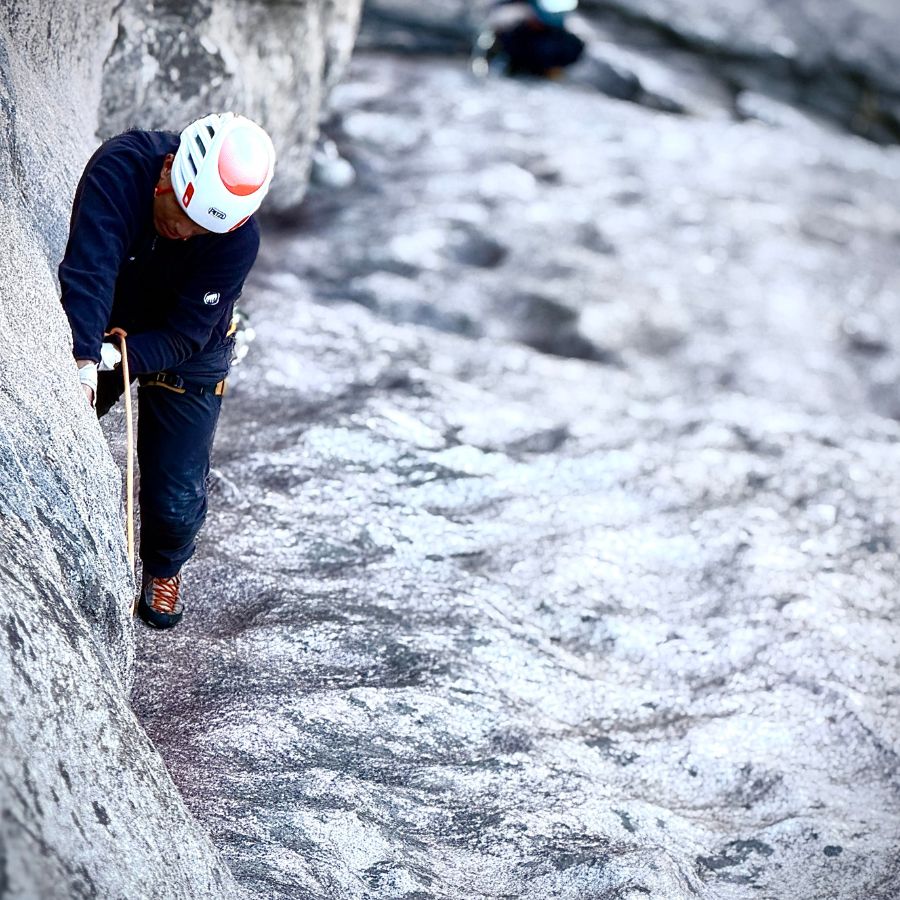
Day Two: Climbing the Chouinard A Route (5.9)
By Day 2, I came much more prepared with extra layers and warmer clothing.
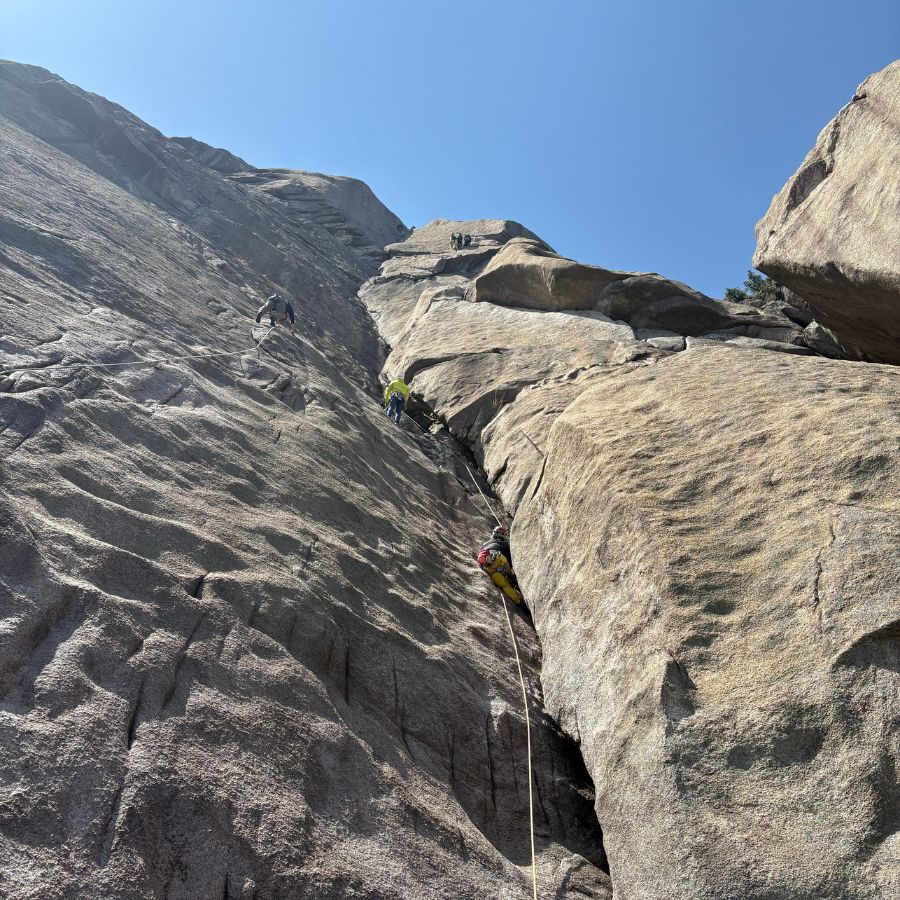
QX also seemed really excited about what he had planned for us. He mentioned that today would be
focused more on crack climbing, and even more special, we were going to climb a trad multipitch
route called
Chouinard A
(5.9)
The route was named after
Yvon Chouinard
, who made the first ascent, which made the entire climb
feel even more iconic.
Compared to the previous day, the climbing style felt completely different.
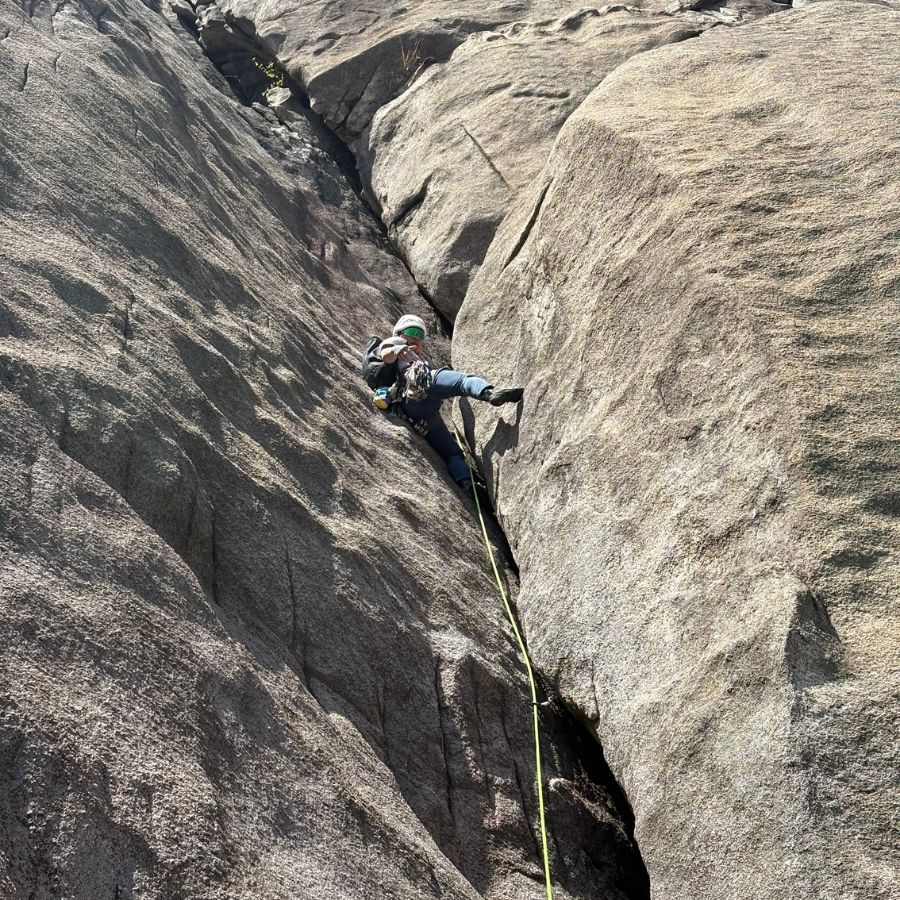
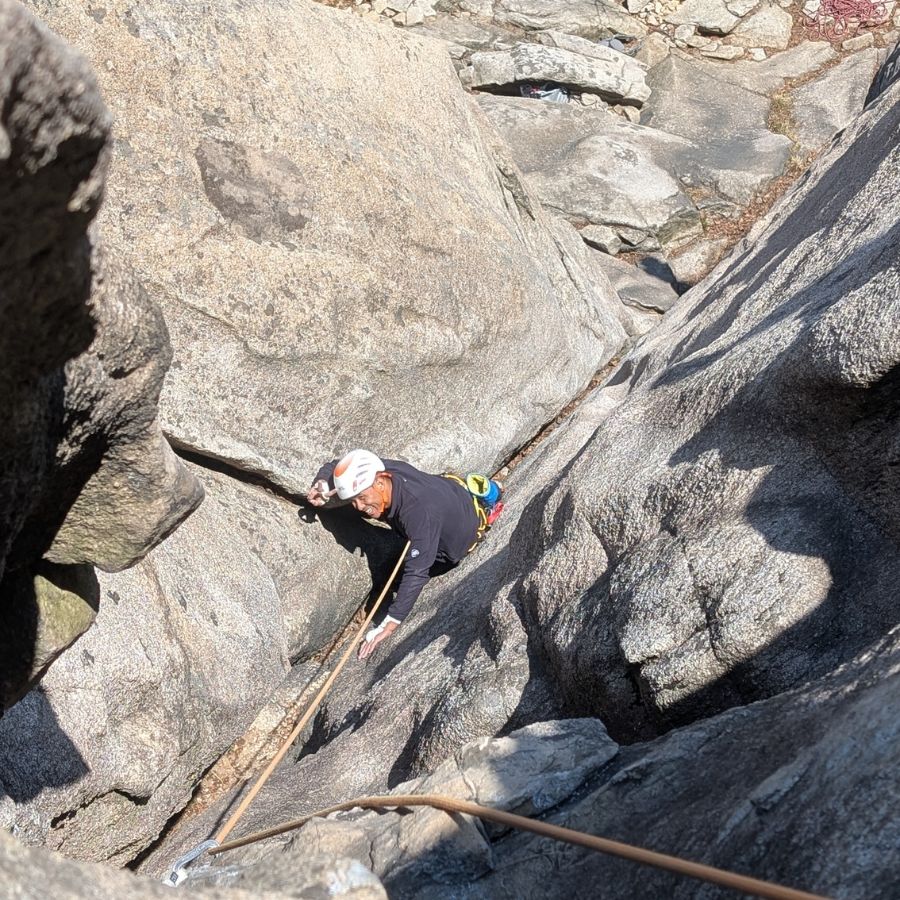
While Day 1 focused heavily on slab movement, balance, and footwork, Day 2 involved much more crack
climbing and powerful movement.
Honestly, this style suited me a little better because my climbing technique is still very beginner,
and I tend to rely more on strength than technical slab movement.
That said, climbing crack systems on granite was still a completely new experience for me, and it
pushed me outside my comfort zone in a different way.
One thing this trip made me realize is just how diverse the climbing at Insubong really is.
Within the same climbing area, you can experience slab climbing, crack climbing, trad multipitch
routes, and exposed granite faces, all while being surprisingly close to Seoul.
That combination is honestly what makes climbing in Korea feel so unique.
Final Thoughts on Climbing in Korea
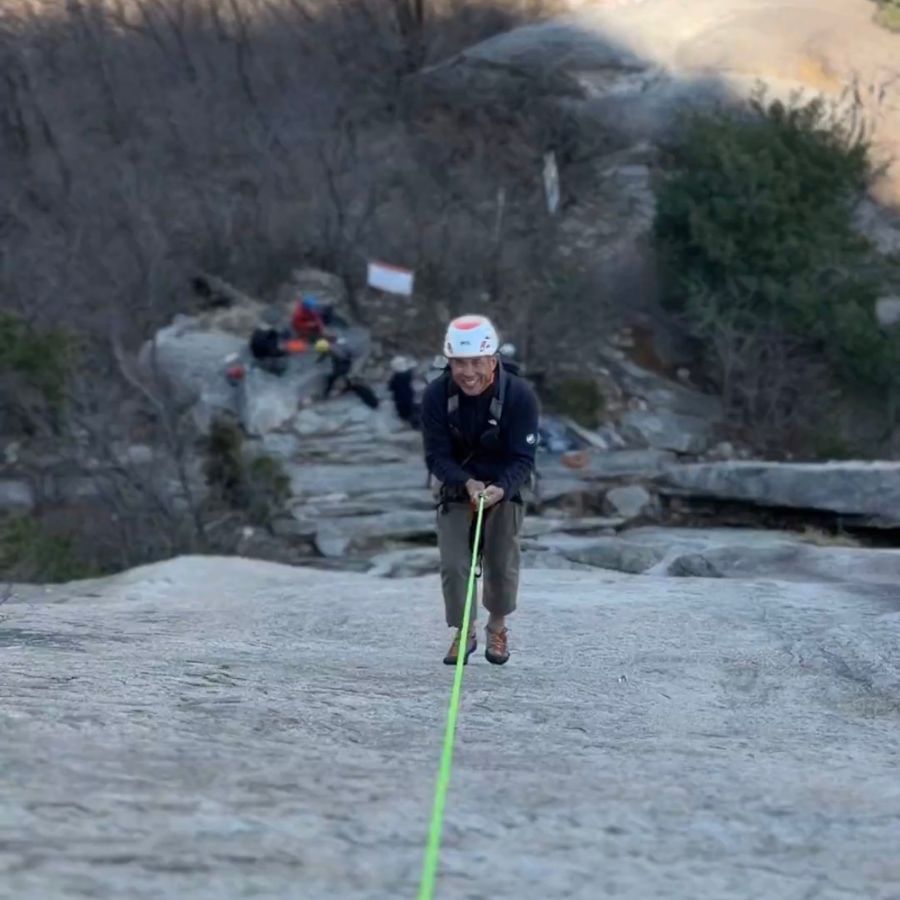
The climbing trip in Korea honestly felt way too short. Even after two climbing days at Insubong, it
still felt like there was so much more left to explore.
That is probably the reason why I already know I want to come back here again, but next time more
prepared, with better layering for the weather and hopefully more climbing days.
Even though we only climbed for two days because of the rain and changing season, the experience
still became one of the most memorable climbing trips for me.
What surprised me most about South Korea was how everything seemed to fit together so naturally.
Within a short distance, you can experience massive city life, mountain culture, granite climbing,
hiking trails, local food, cafes, and nature all in one place.
It honestly felt like Korea had something for everyone.
More Than Just Climbing
One of my favorite memories from this trip was simply hiking through Bukhansan National Park during
spring.
I was excited the entire time. The cool April weather, pink leaves along the trail, walls rising above the forest, and the Seoul skyline in the distance created views that honestly felt difficult to capture properly through photos or words
Trips like this always remind me that climbing is not only about reaching the top of a route.
Sometimes the best part is everything around it. The hike, the people, the changing weather, the
conversations at the anchor, and the experience of discovering a completely new place through
climbing.
Stay tuned for the next blog where I will share more about travel logistics, transportation, food,
and what we did during the non climbing days in Korea.
Until then, keep climbing and keep exploring.
ByrdieOnTheRocks :)