Hokkaido Winter
Before the Ice Climb
🧭 Jump to a section
Why Hokkaido for Ice Climbing (First Time on Ice in Japan)
Hello friends, climbers, and curious wanderers. Welcome back to ByrdieOnTheRocks.
If you have been here before, you already know I like to start with a short intro and a few friendly
notes.
If you are new here, hi and welcome.
This is my little corner of the internet where I share travel stories, climbing experiences, and
personal reflections from a beginner climber who is still learning along the way. I am not a
professional climber and I do not write technical guides. What I share here is the real feeling
of discovering new places as someone who loves climbing, traveling, and learning web development
at the same time. It is a mix of chalk, code, curiosity, and honest experiences.
I sometimes include personal tips, but please always check the weather, consult certified guides,
and put safety first when planning any outdoor climbing trip.
Why I Wanted to Try Ice Climbing
As an outdoor climbing enthusiast who loves to travel and explore climbing culture, ice climbing has
always been something I wanted to try. However, I did not know where to start, especially coming
from a tropical Southeast Asian country where frozen waterfalls and winter climbing are not part of
everyday life.
Ice climbing felt like a completely different world compared to rock climbing. The cold, the tools,
and the environment were unfamiliar to me. That was exactly what made me curious about trying ice
climbing for the first time.
×
Interested in my previous climb?
You can read my autumn rock climbing trip in Ogawayama here
Read the storyWhy Hokkaido Is a Great Place for First Time Ice Climbing in Japan
There are only a few places in Asia where winter temperatures are cold enough to form climbable ice
waterfalls. Japan is one of them and it is also one of my favorite countries to visit.
I had just been in Japan last autumn for rock climbing in Ogawayama. You can read about
my Ogawayama rock climbing trip in Japan.
That experience showed me how diverse climbing in Japan can be across different seasons.
After climbing granite in autumn, returning to Japan for winter ice climbing felt like a natural
next step.
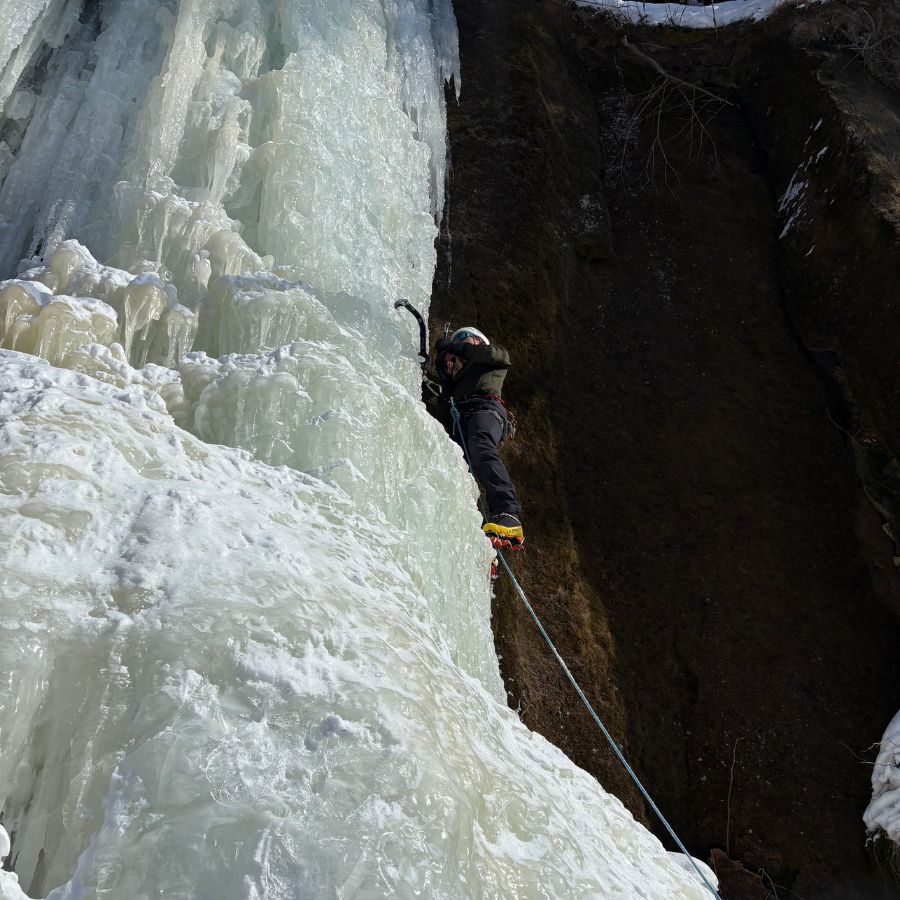
Hokkaido
is known for its long winter season and reliable ice conditions. For someone trying ice
climbing for the first time, stable winter conditions and access to guided trips make the experience
feel much more approachable and safe.
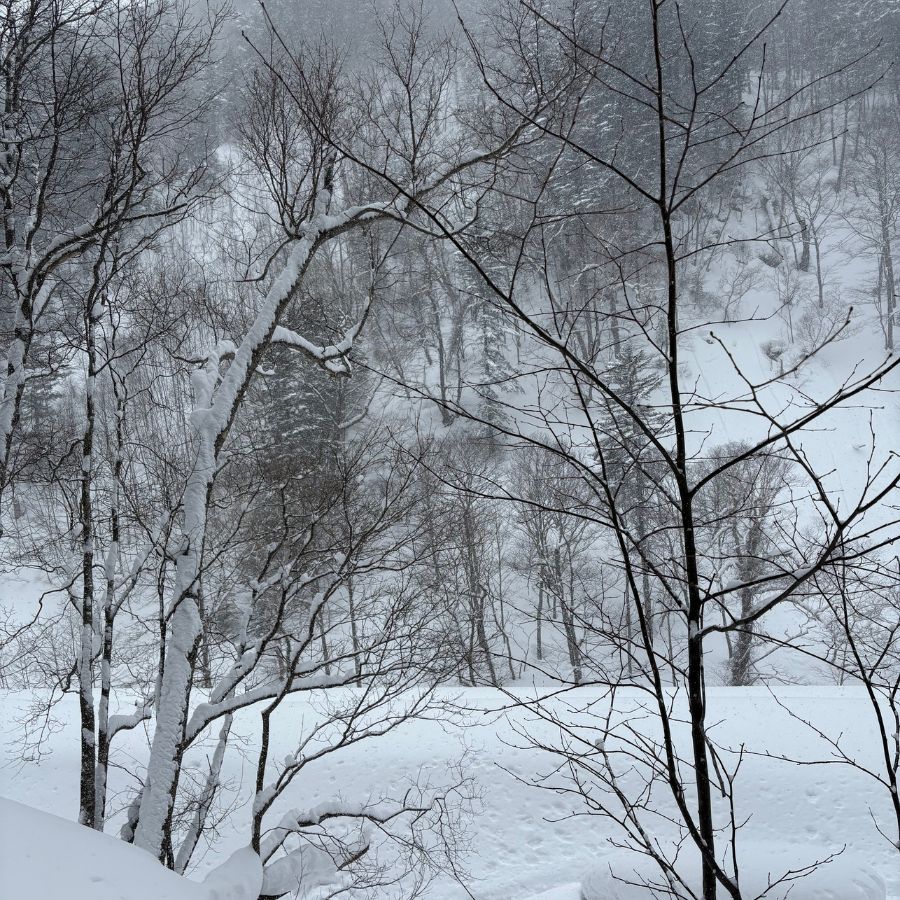
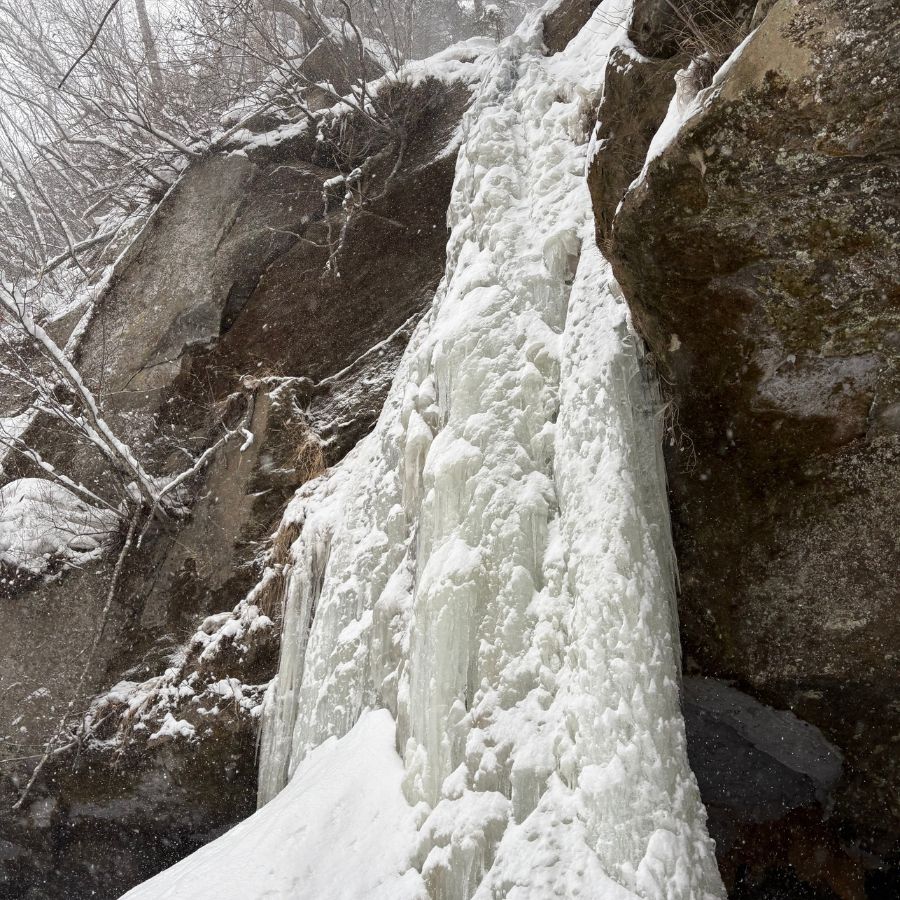
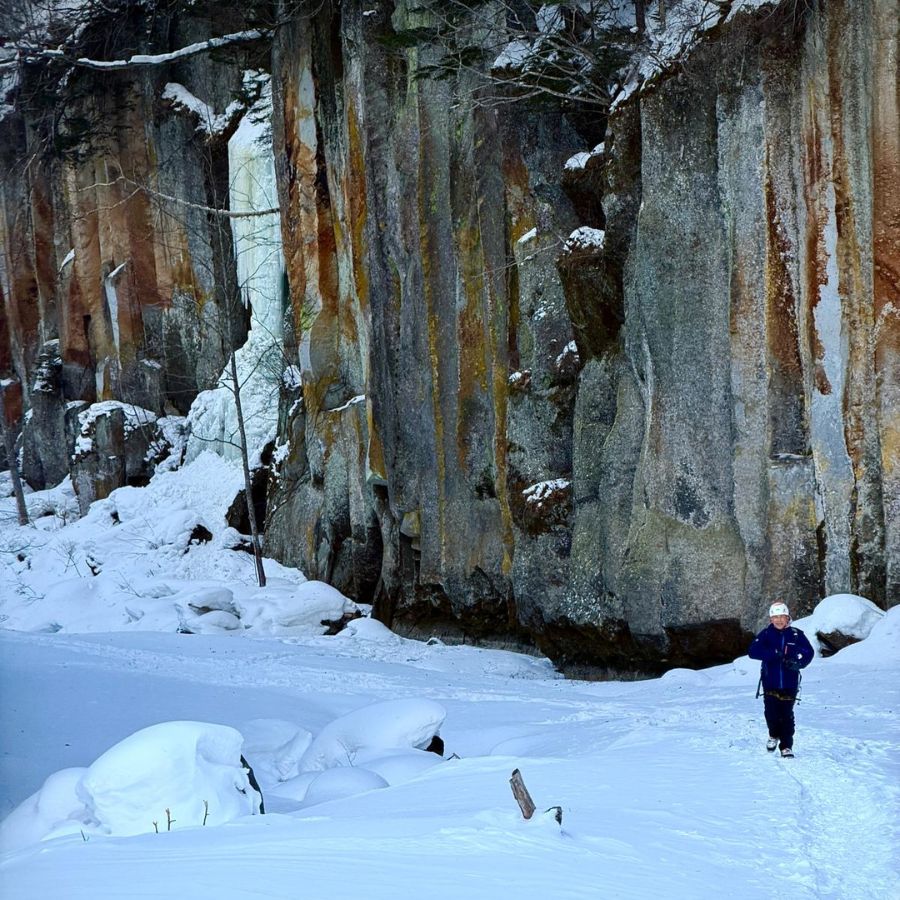
How I Ended Up Ice Climbing in Hokkaido
I only started learning about ice climbing after climbing with my go-to certified guide and
instructor,
QX
.
If you have followed my overseas climbing trips, you have probably seen his name come up before.
During winter, QX is usually based in Hokkaido guiding ice climbing trips. That was how I learned
that Japan, especially Hokkaido, is a great place to try ice climbing for beginners. Having a
trusted guide already based there made planning this trip much easier.
So in February 2026, my friend and I planned our first ice climbing trip to Japan. It turned out to
be an unforgettable experience and something I had wanted to try for a long time.
What This Post Covers (Part 1)
This first blog post focuses on trip preparation, winter travel in Hokkaido, and how to get around
from Sapporo to Asahikawa. Everything here is based on my real experience and personal perspective,
which may be different from other guides you find online.
Part 2 will focus on the actual ice climbing days, what it felt like to climb frozen waterfalls for
the first time, and what I learned from the experience.
When to Go for Ice Climbing in Hokkaido
Planning a trip to a place you have never been to is already challenging. Planning a winter trip for
ice climbing is even more overwhelming when you come from a tropical country. My main concern was
not only planning the route and accommodation, but also preparing my body and mindset for cold
weather.
Winter is peak season for ice climbing in Hokkaido. This is also peak season for winter sports such
as skiing and snowboarding. Flights, hotels, and transport can sell out quickly. If you plan to
visit during major winter events such as the Sapporo Snow Festival, expect bigger crowds and higher
prices. Booking in advance is highly recommended.
How to Get to Hokkaido (New Chitose Airport to Sapporo to Asahikawa)
Getting to Sapporo from
New Chitose Airport (CTS)
was much easier than I expected. There is a JR train that runs directly from the airport to Sapporo
Station.
The journey takes about 30 minutes and costs around 1,780 yen.
Sapporo Station is located in the city center, which makes it easy to reach most hotels and
attractions.
From Sapporo, traveling to Asahikawa is also straightforward by train or bus.
If you visit during the festival, expect larger crowds and busier transport, but also a lively
atmosphere that makes winter in Hokkaido feel truly memorable, even if your main goal is ice
climbing.
Winter Travel in Sapporo
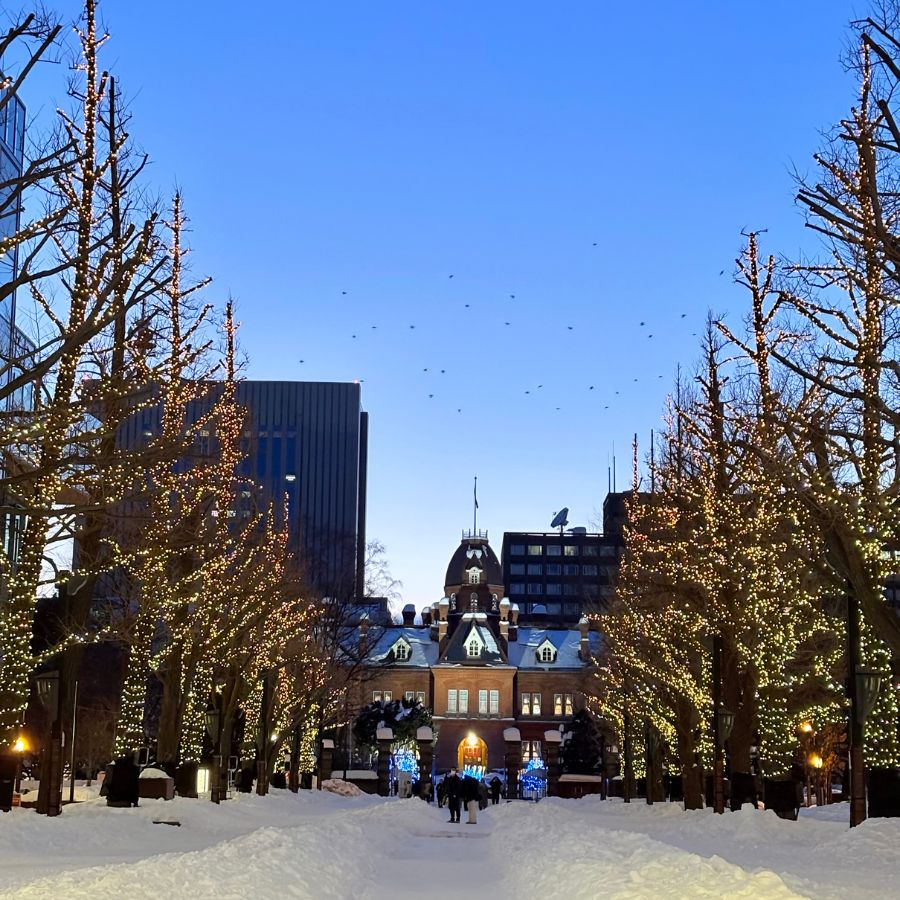
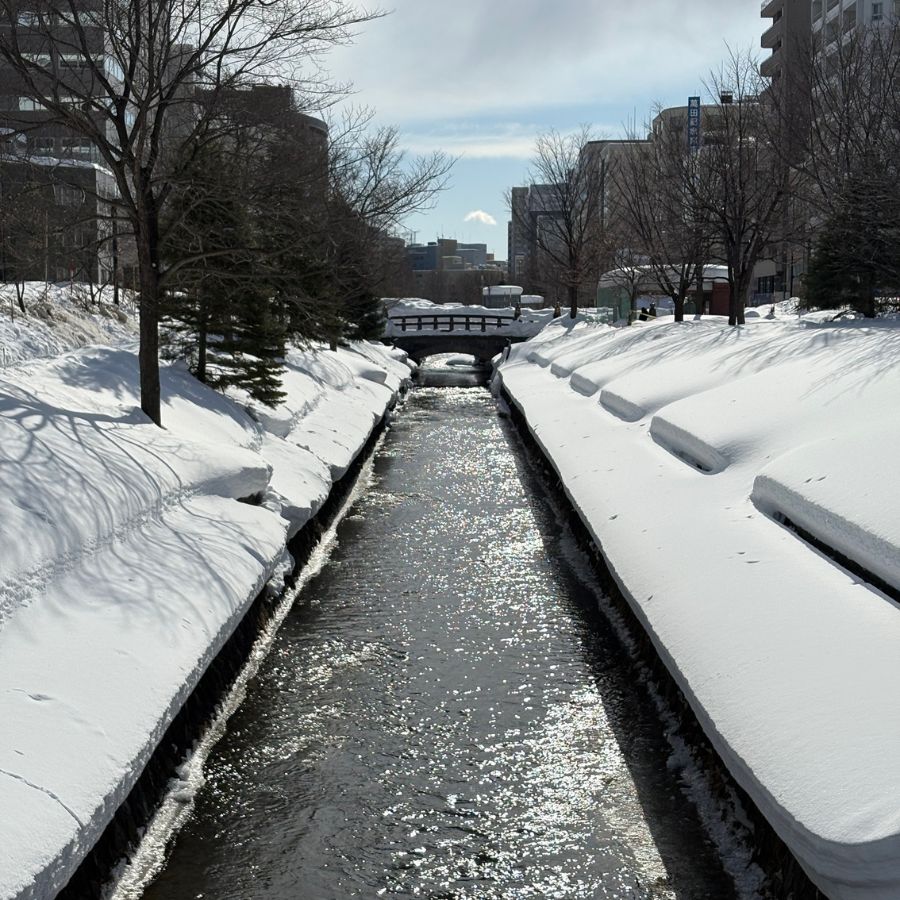
I spent my first few days exploring
Sapporo
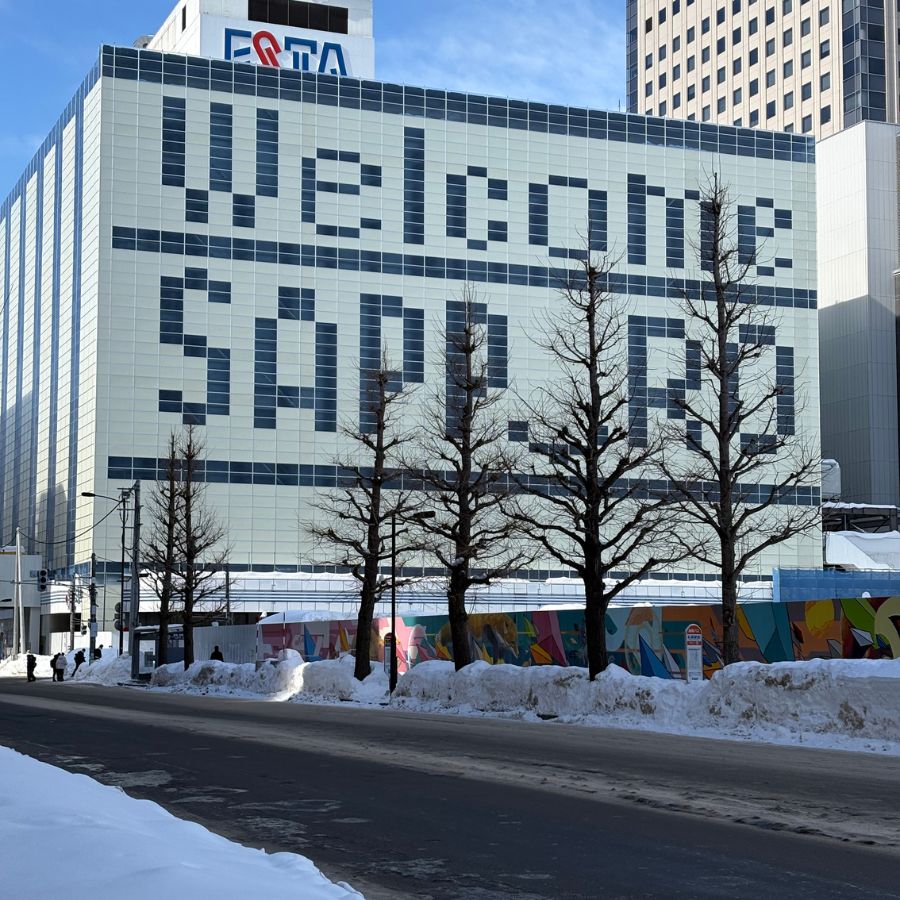
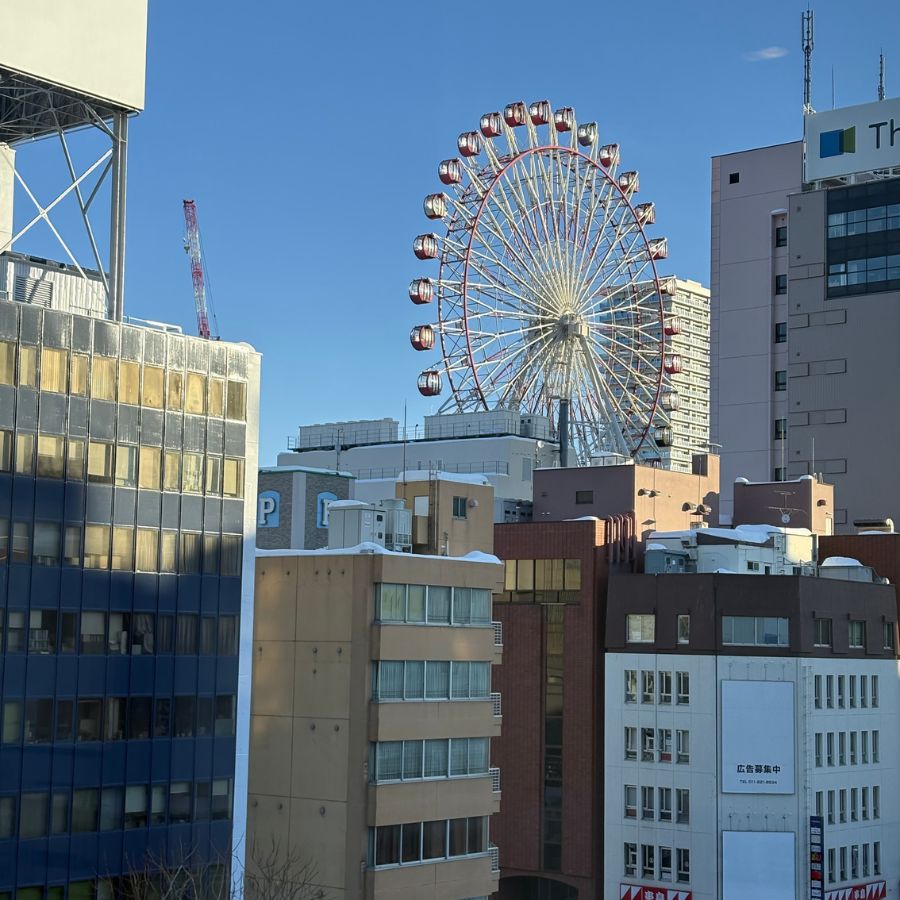
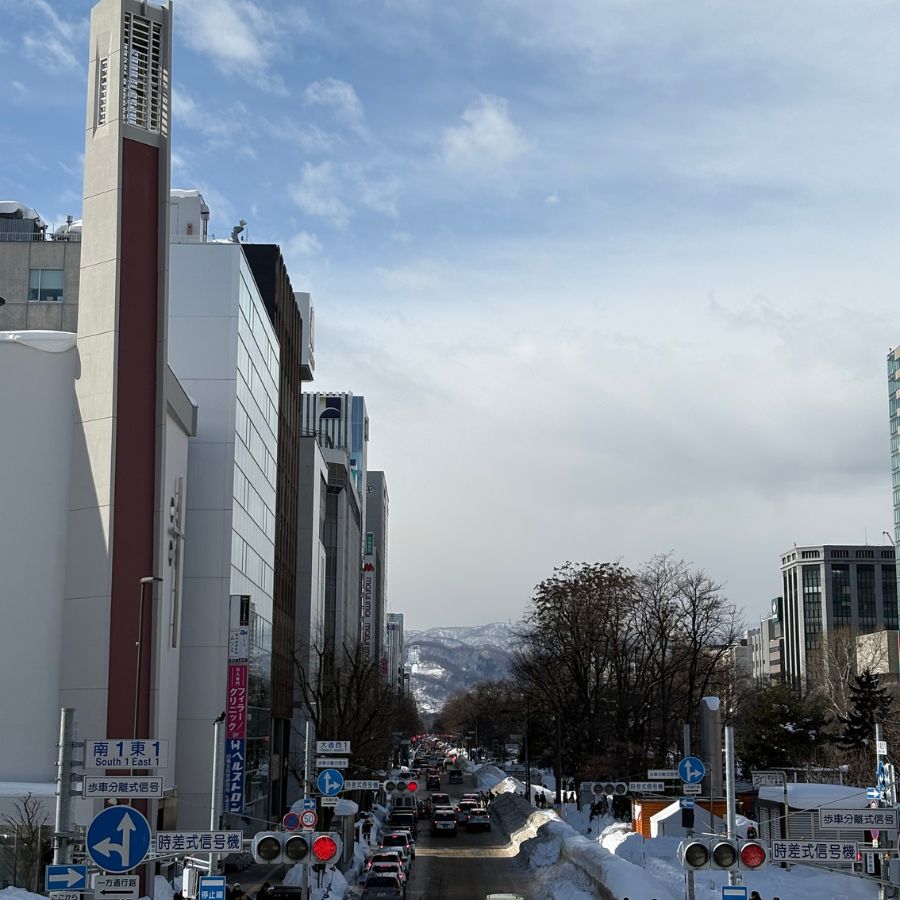
before heading to Asahikawa for ice climbing. Sapporo in winter is incredibly beautiful.
Even before landing, I could see the city covered in white snow stretching for miles.
Seeing snow in Japan feels different from seeing snow in Western countries because the landscape and
architecture create a unique atmosphere. The cold in an Asian city has its own charm.
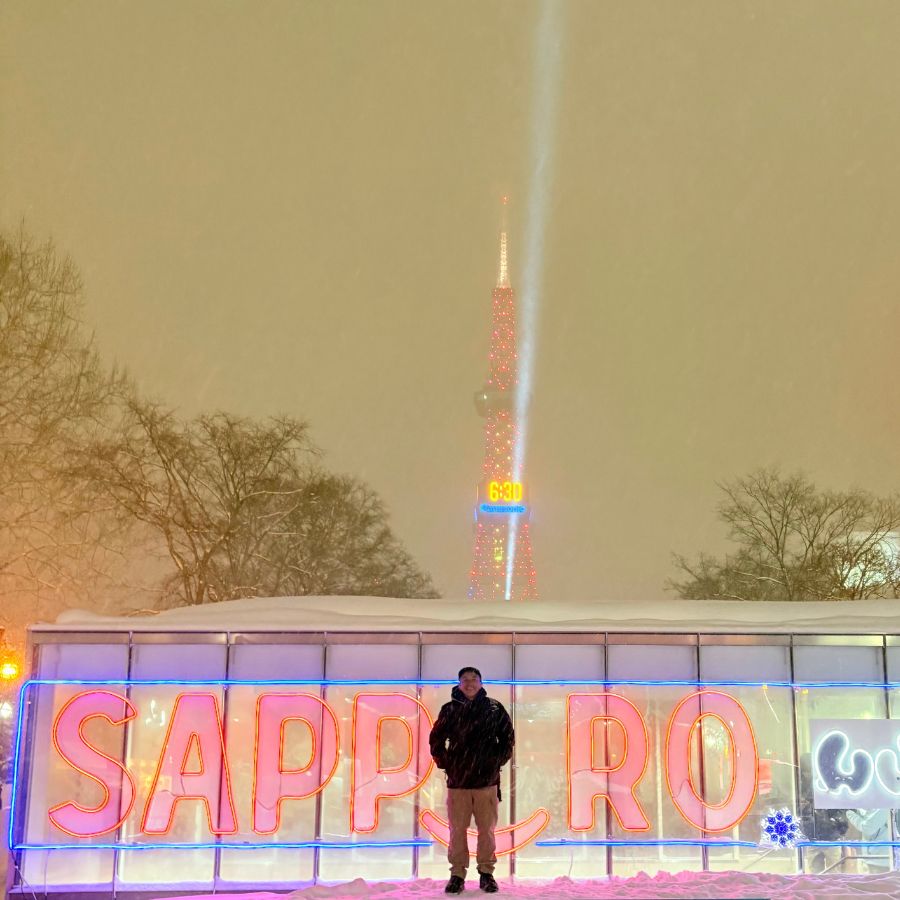
Sapporo Snow Festival Highlights
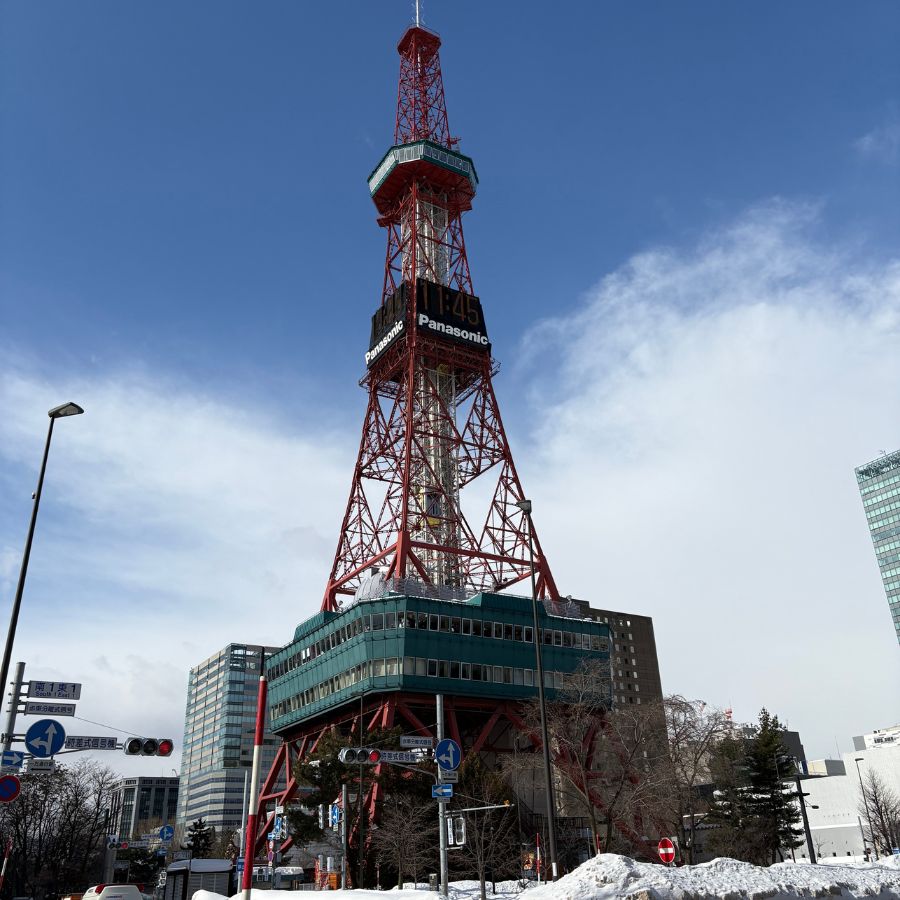
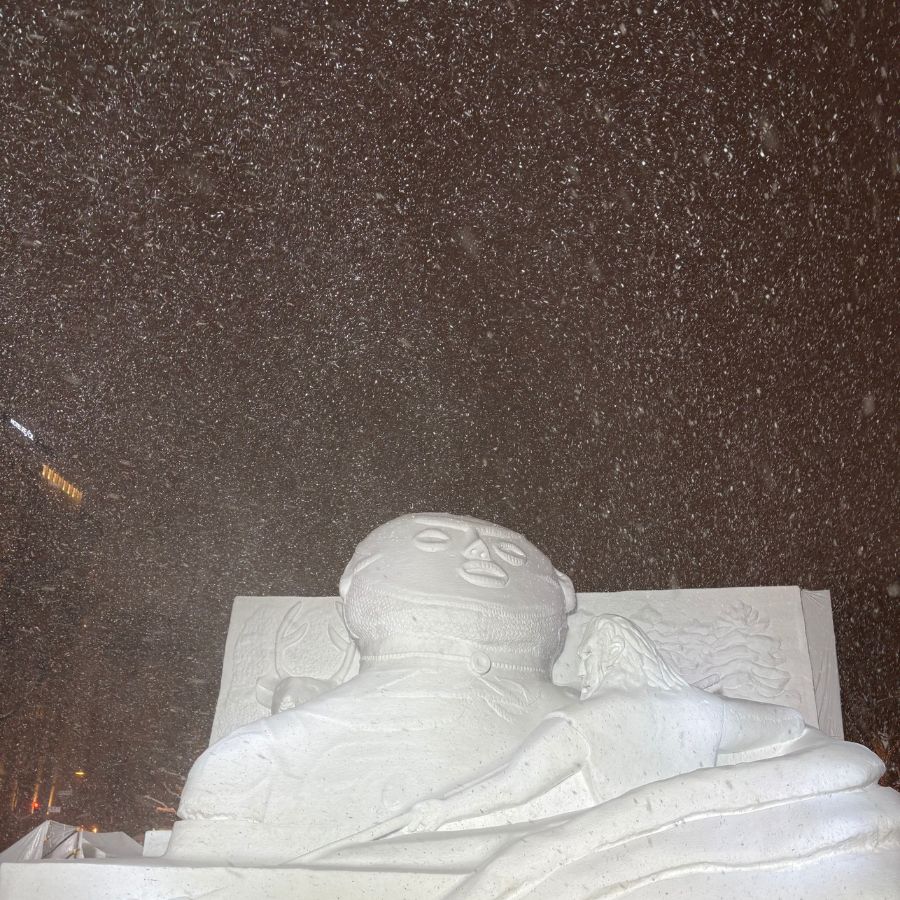
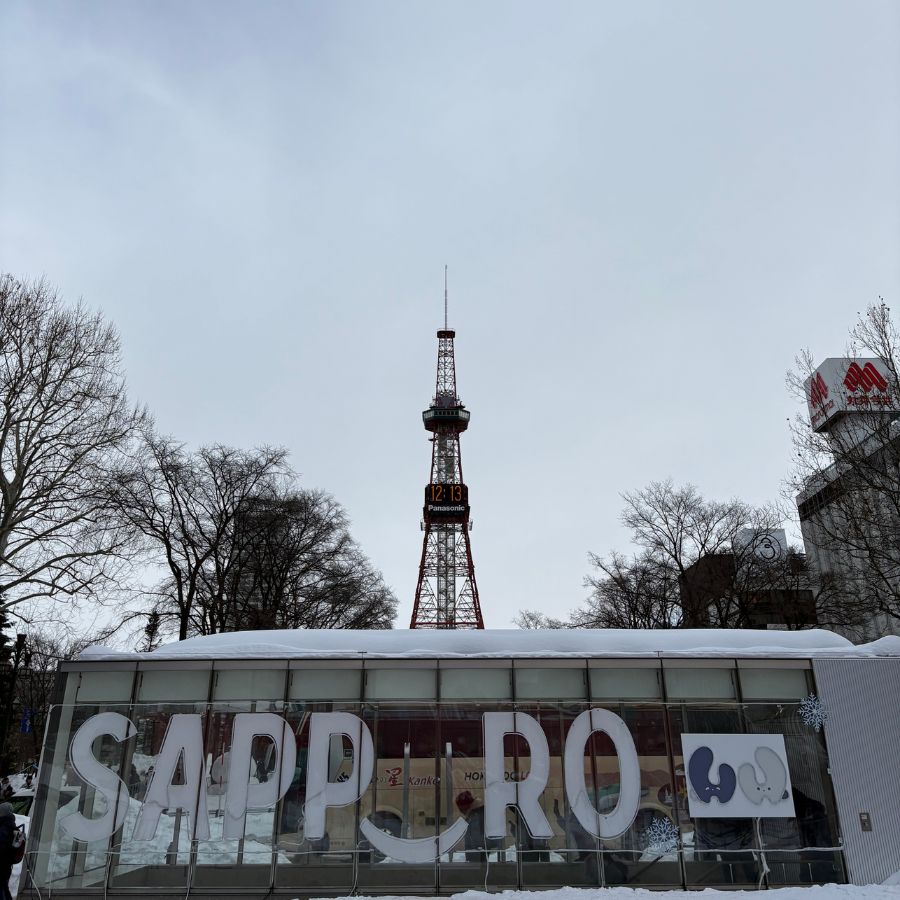
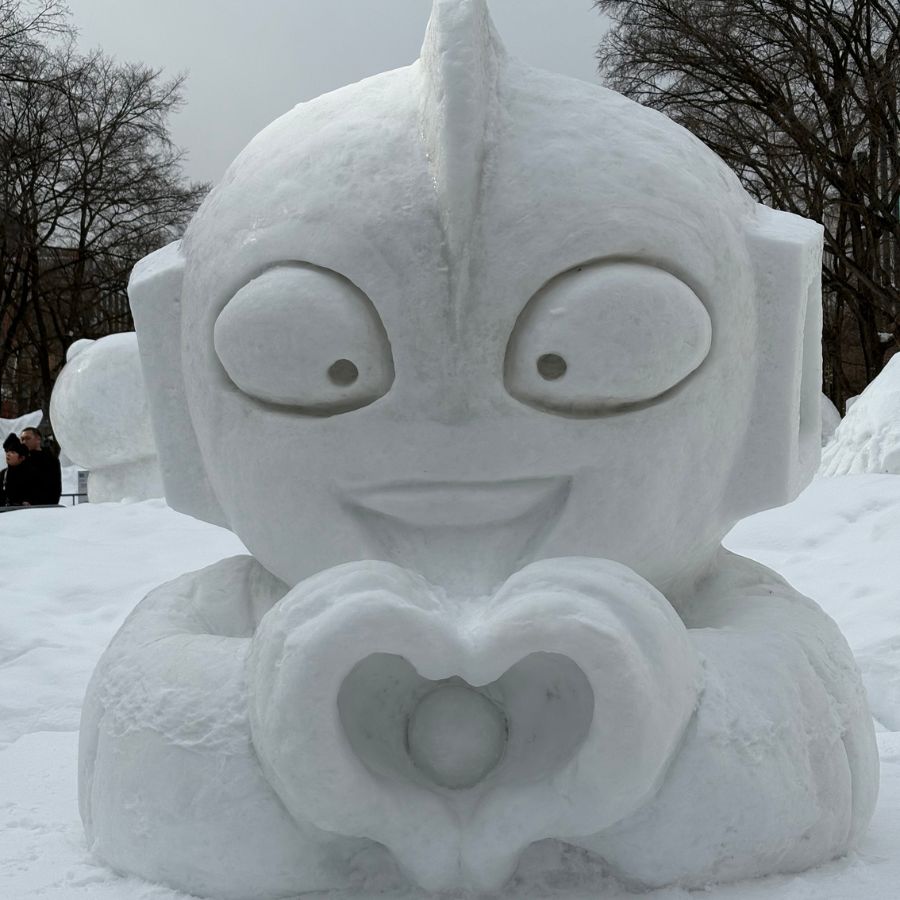
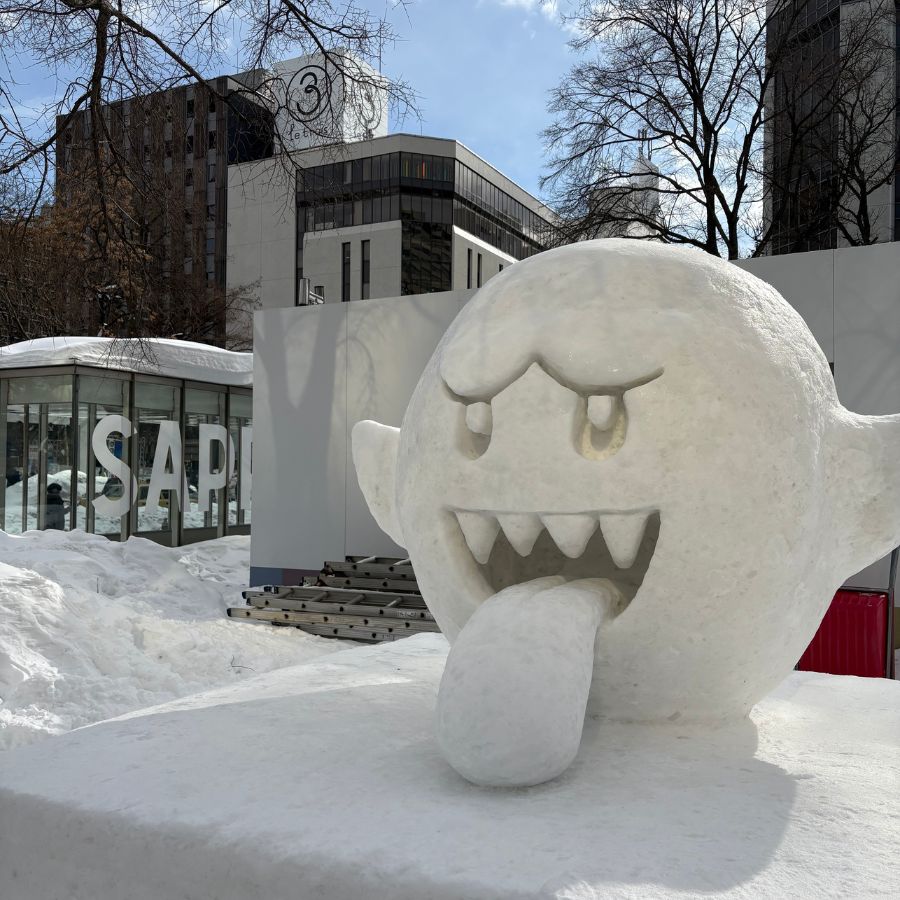
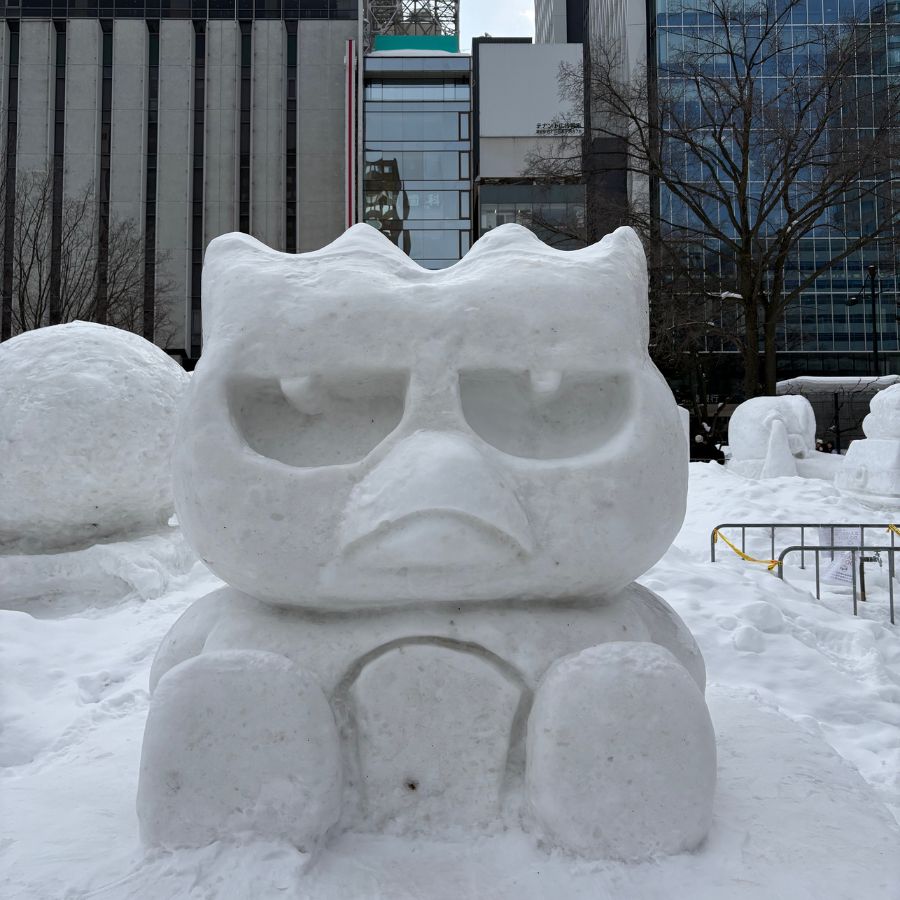
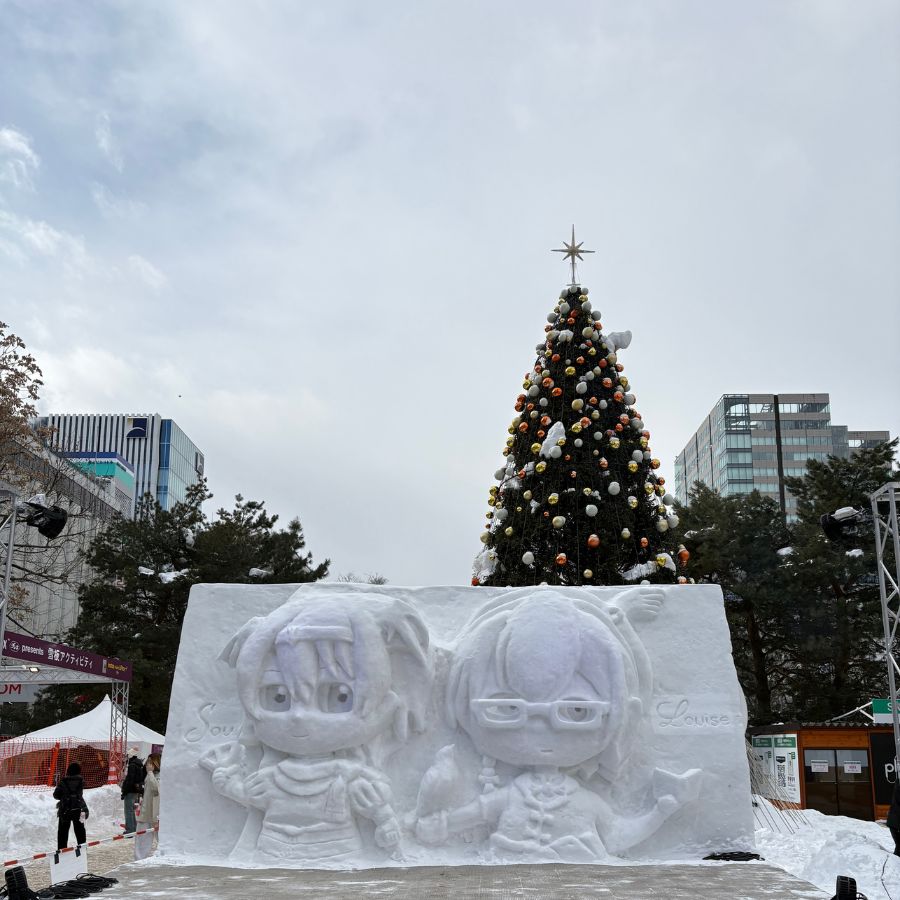
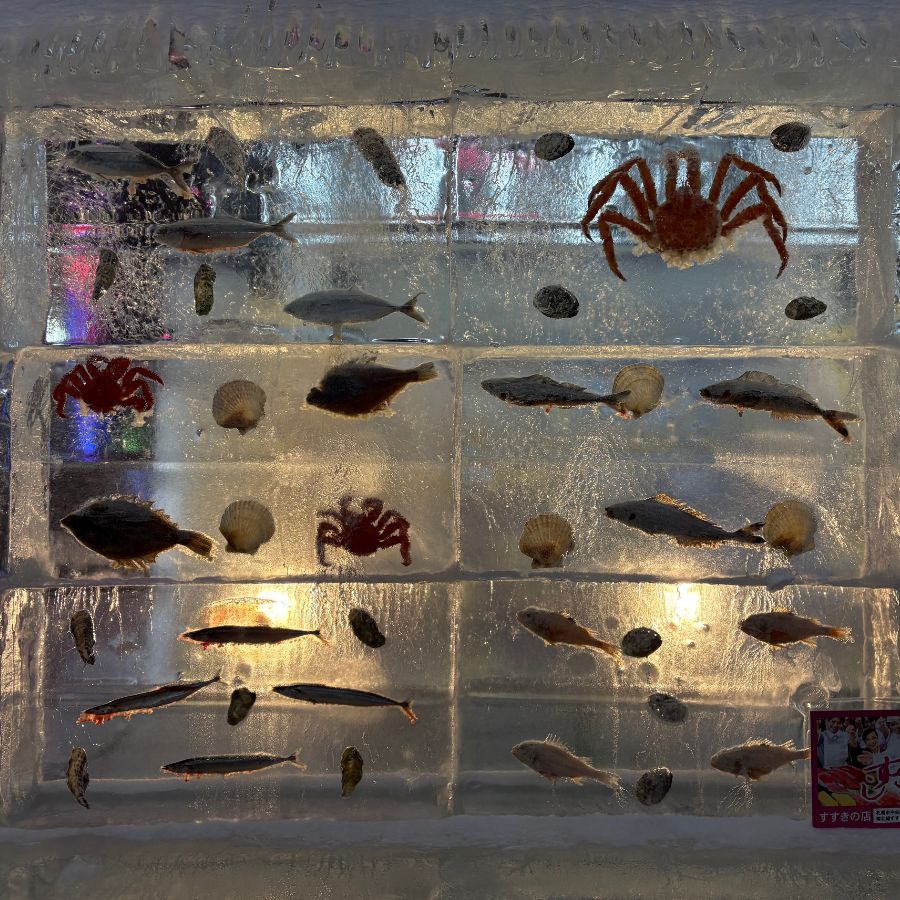
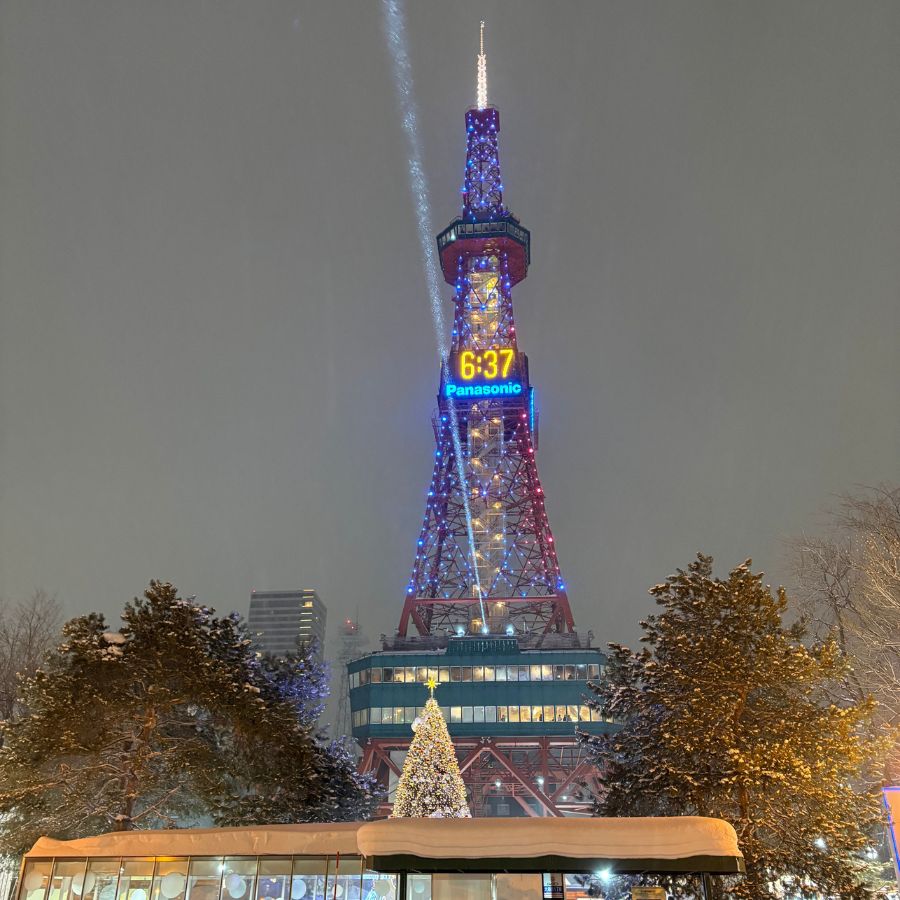
This trip was even more special because I arrived during the
Sapporo Snow Festival
, one of the most
famous winter festivals in Japan. The main festival area is around Odori Park near the Sapporo TV
Tower, with additional exhibition areas spread across the city. This made walking around Sapporo in
winter even more fun and lively.
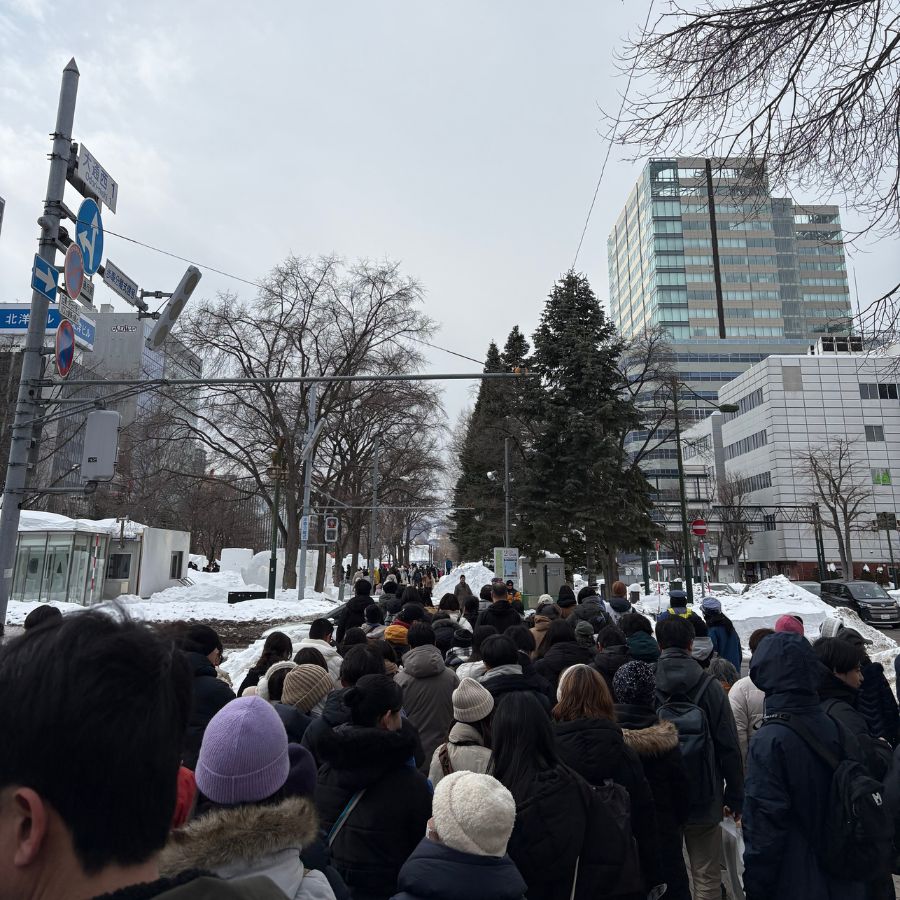
If you visit during the Snow Festival period, expect crowds, busy transport, and a festive
atmosphere across the city. It is a great time to experience winter in Sapporo, even if your main
goal is ice climbing in Hokkaido.
Getting Around Sapporo (Transport and Walking Tips)
Getting around Sapporo is easy. The city has a reliable subway system, streetcars, and trams.
Walking is also possible if you enjoy exploring on foot, but be prepared for strong winds and very
cold temperatures.
One helpful tip I discovered is the Sapporo Ekimae dori underground walkway, also known as Chi
Ka Ho. This underground path connects Sapporo Station and Odori Station. It is perfect when
the weather
is too cold or windy. There are also many restaurants and shops along the way, which makes it a
convenient place to warm up and take breaks while exploring the city.
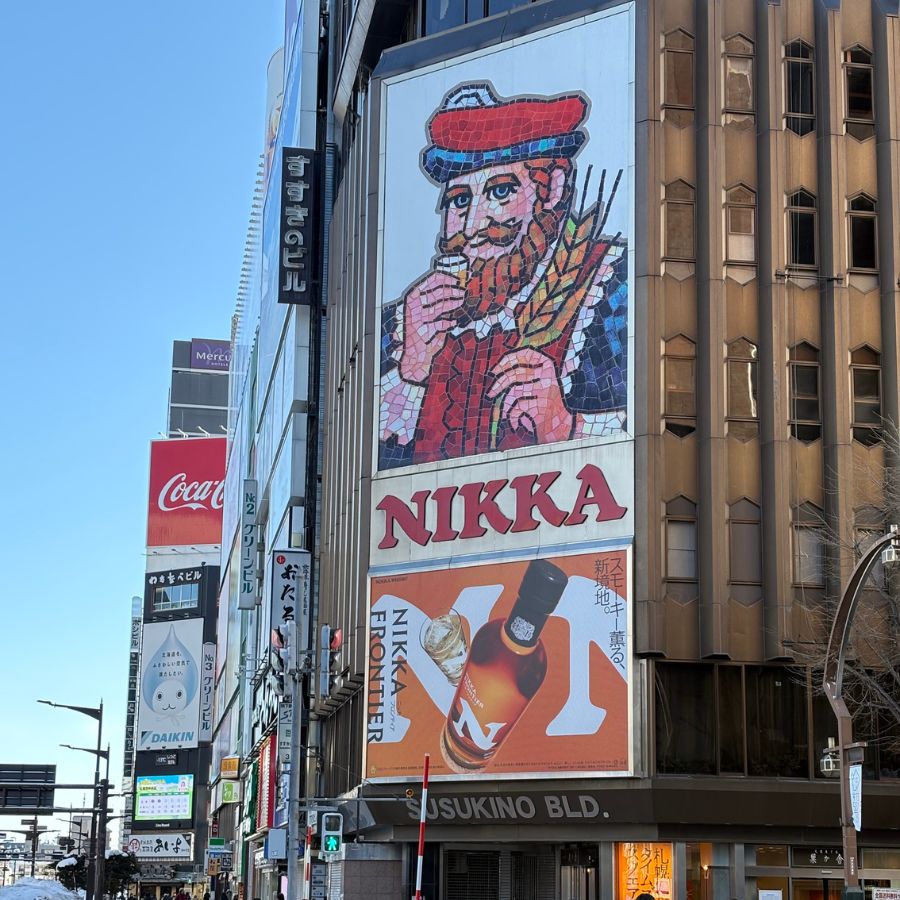
The underground walkway also leads toward the famous
Nikka Whisky Sign
. It is just a sign, but it
feels like one of those small landmarks you have to see when you are in Sapporo.
In my opinion, two days in Sapporo is enough if your main itinerary focuses on outdoor activities
and ice climbing.
Traveling from Sapporo to Asahikawa
Asahikawa
is located in northern Hokkaido, around
130 kilometers from Sapporo. There are several
ways to travel from Sapporo to Asahikawa, including train, highway bus, or driving.
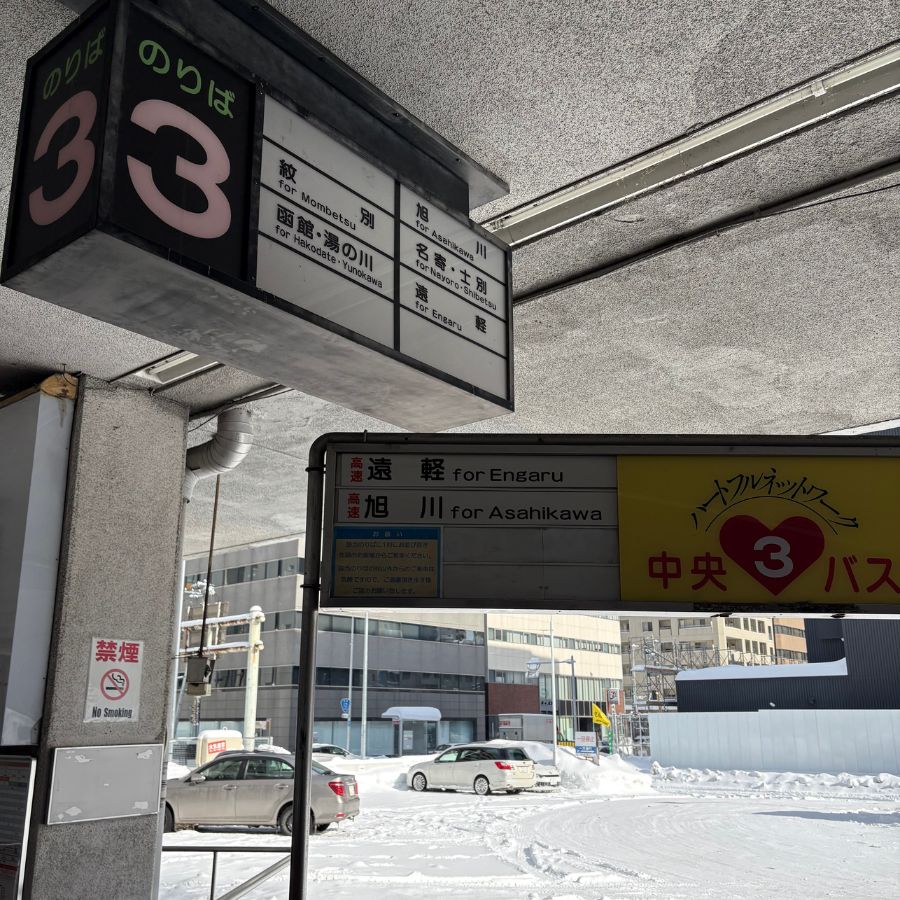
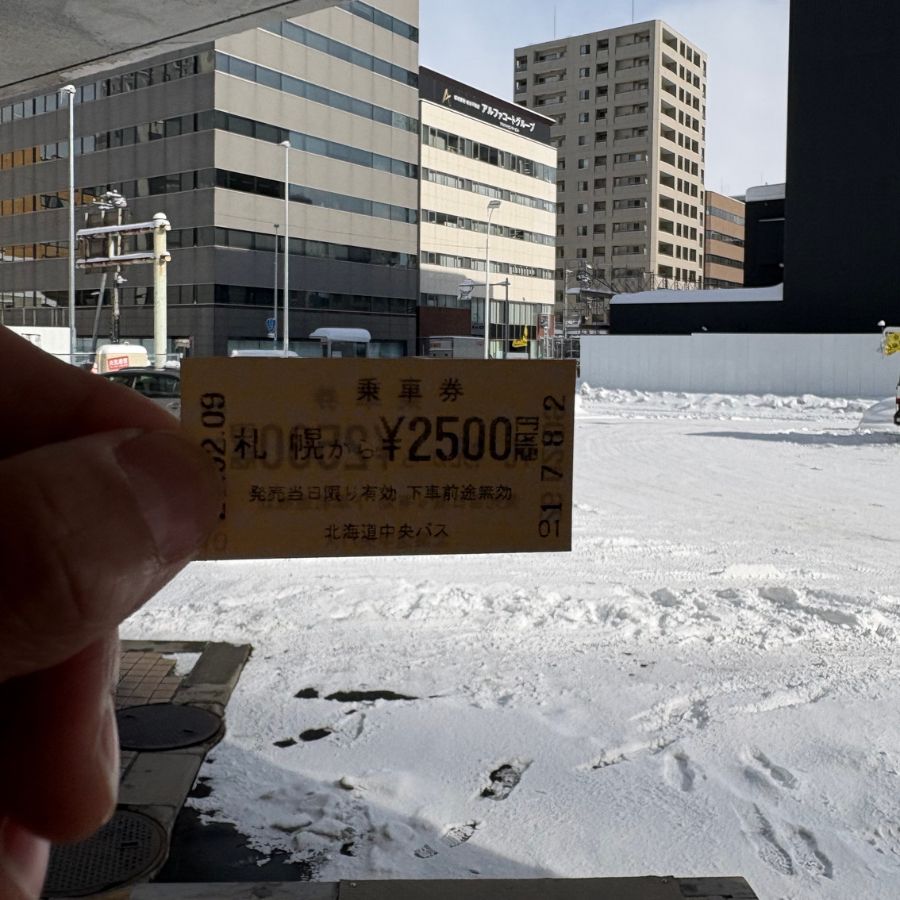
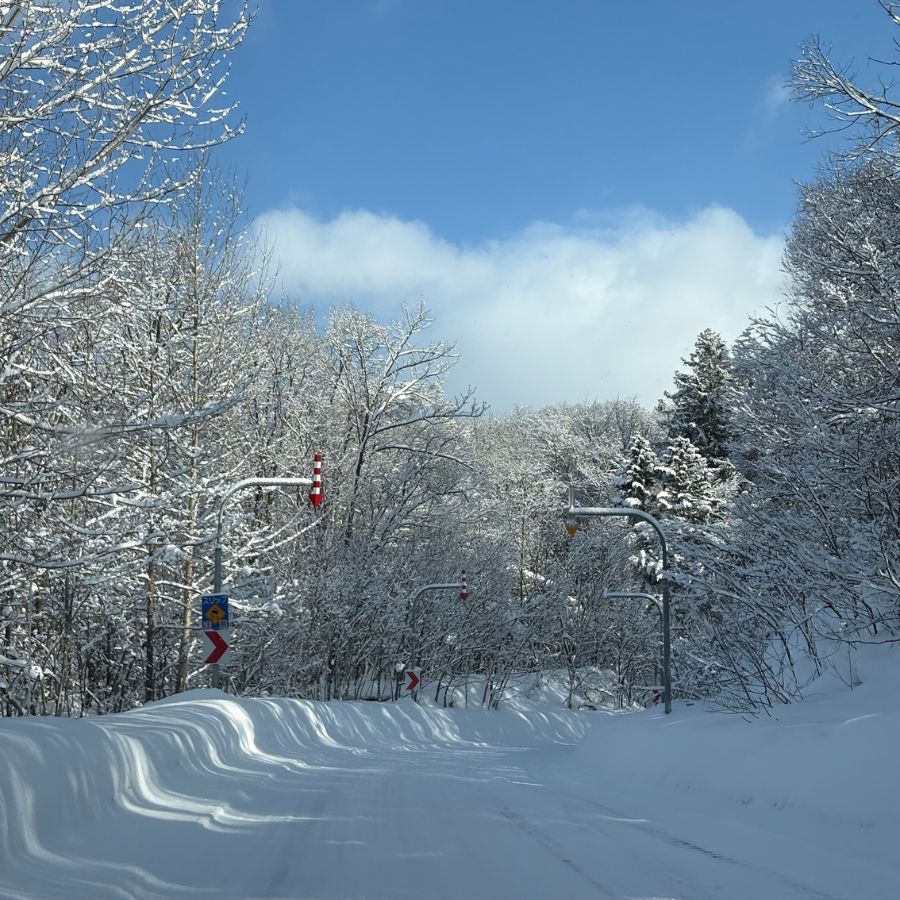
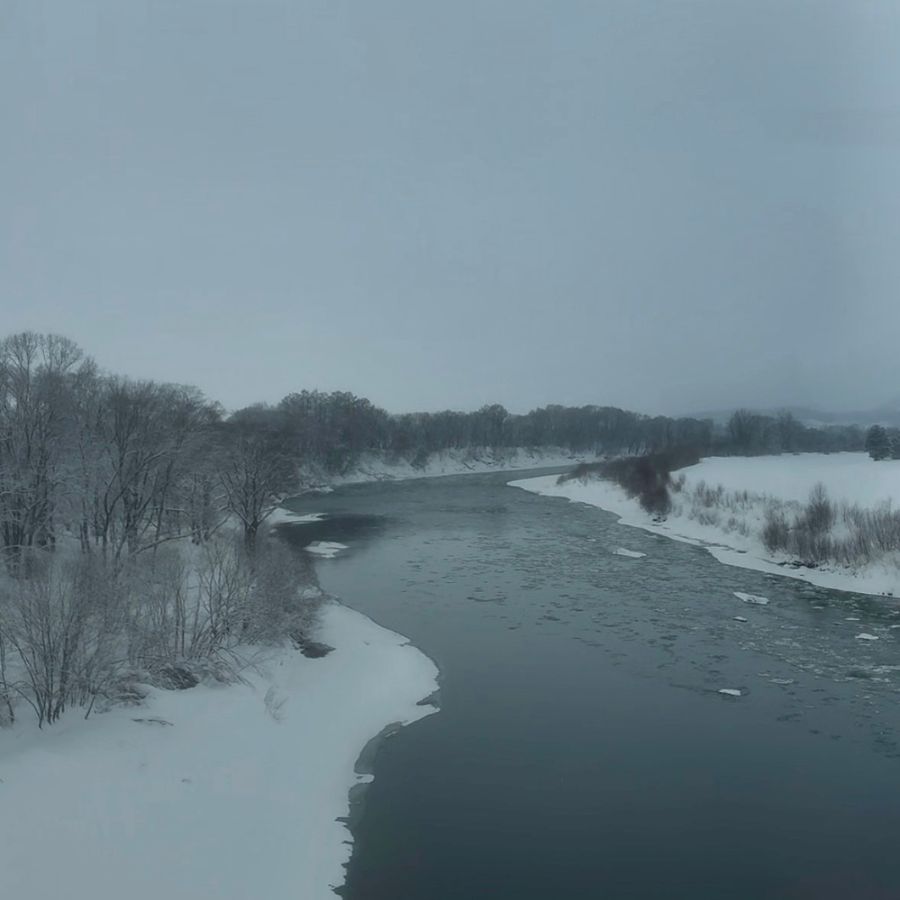
I chose to take the bus because it was a relaxed way to see small towns, farmland, and quieter parts
of Hokkaido. You can board the highway bus near the Sapporo TV Tower. The fare is around 2,500 yen
one way. Buses run frequently and the ride offers beautiful winter views of rural Hokkaido.
One thing to note is that winter weather in Hokkaido can affect travel times. Buses may take longer
or experience delays during heavy snow, but overall this is a convenient and scenic way to travel
between Sapporo and Asahikawa in winter.
Where to Stay in Asahikawa for Ice Climbing
We stayed near Asahikawa Station, which I highly recommend for convenience. Many hotels,
restaurants, and shops are located in this area. QX was also based nearby, which made meeting up and
traveling to climbing locations much easier.
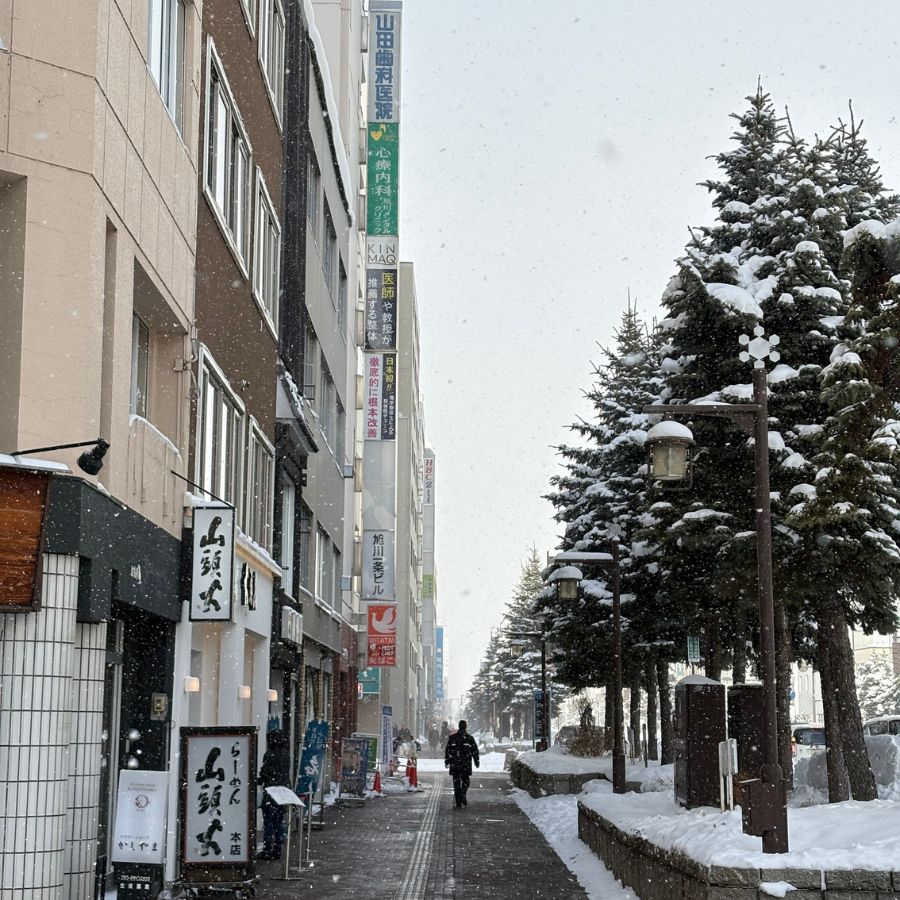
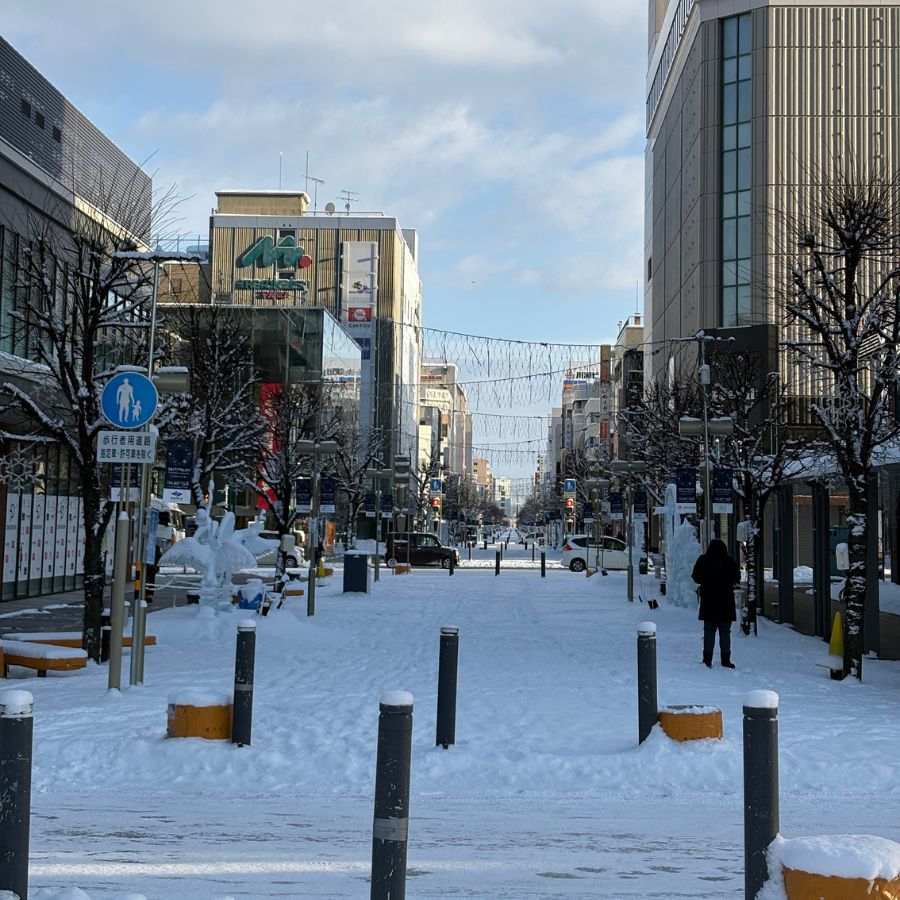
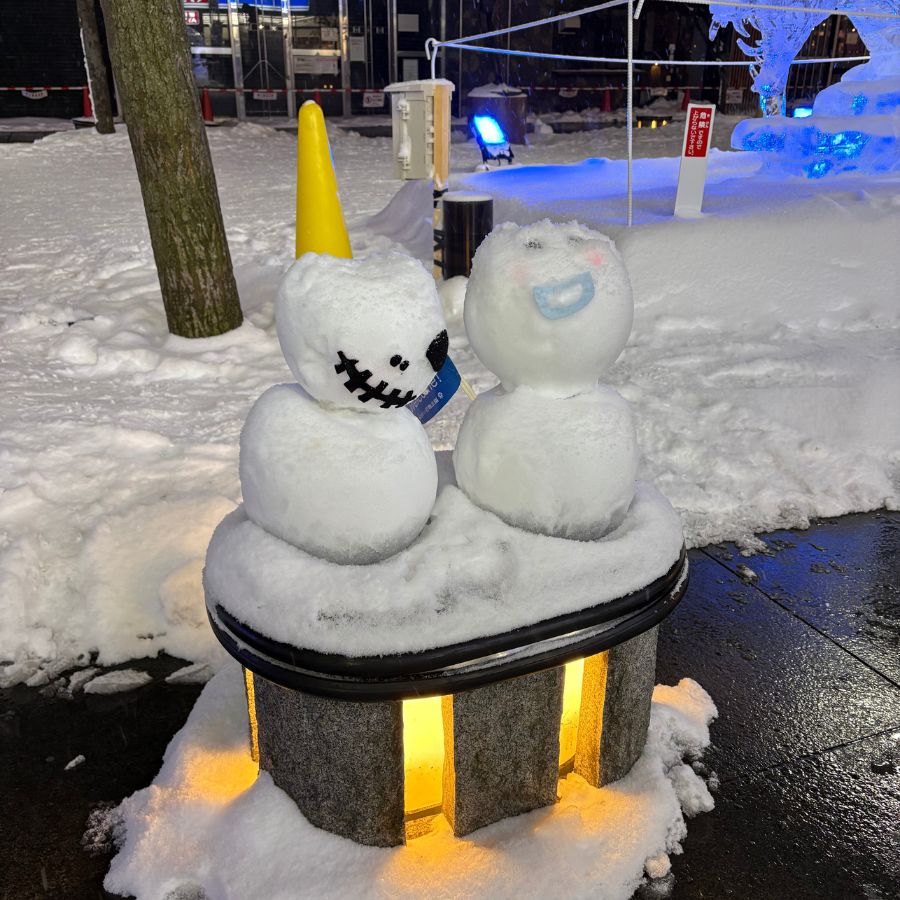
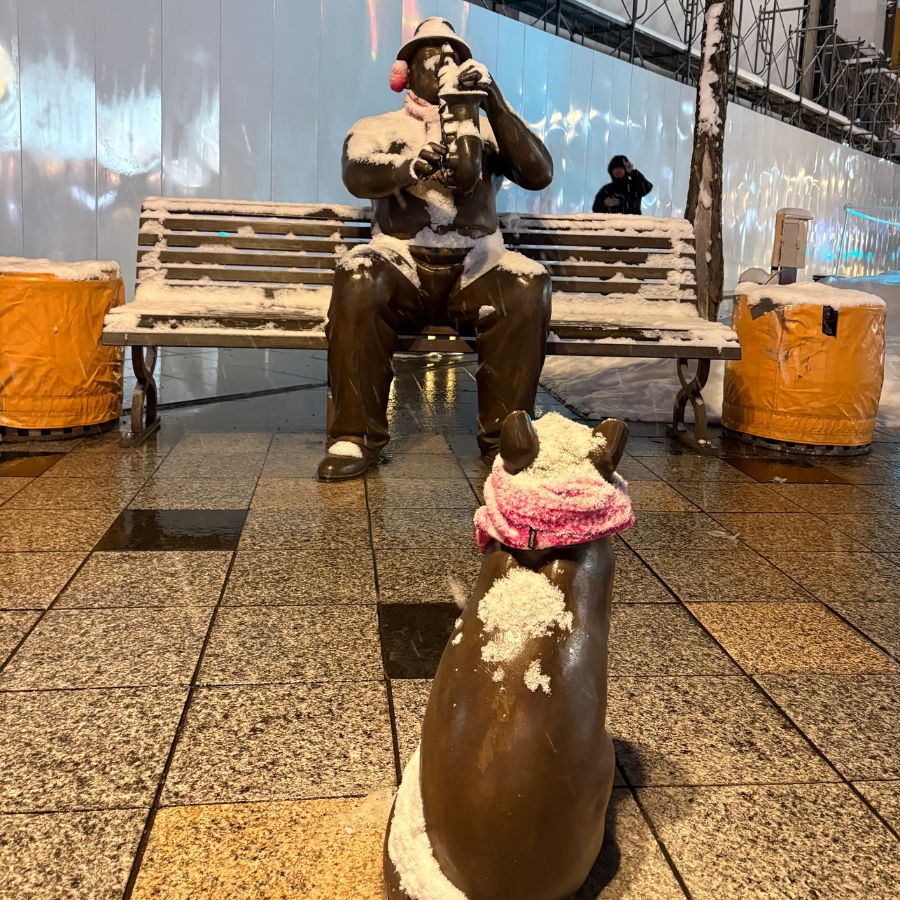
Asahikawa feels quieter and more local compared to Sapporo. The city has a charming atmosphere and a
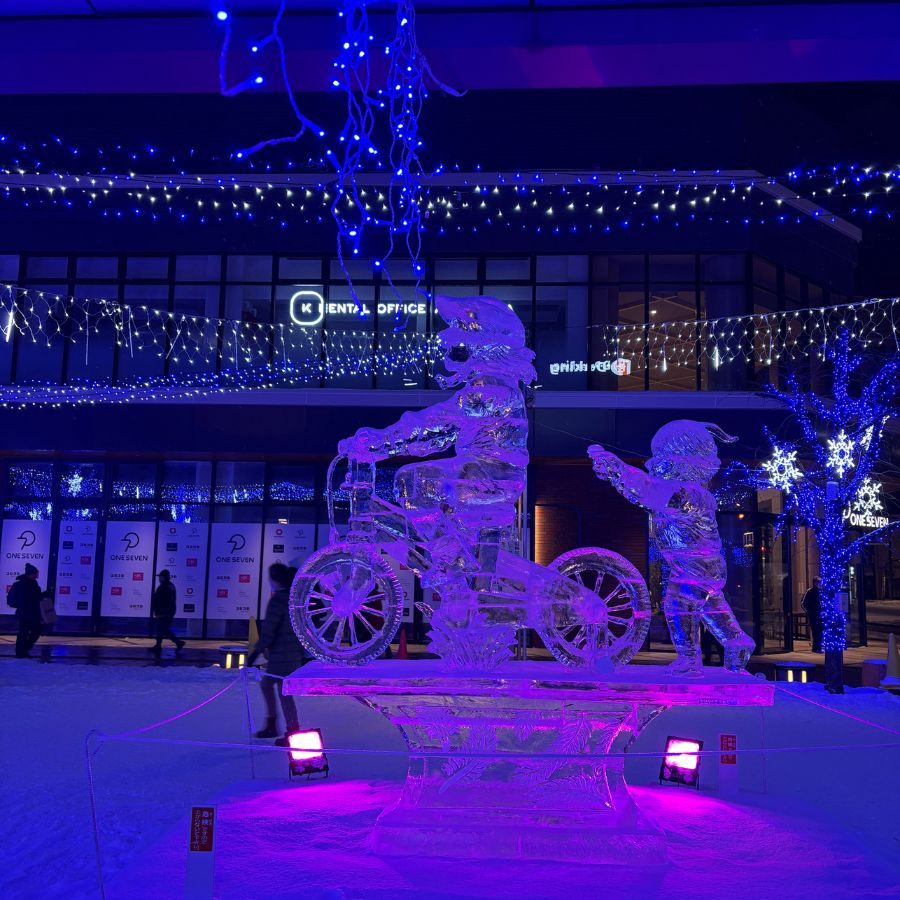
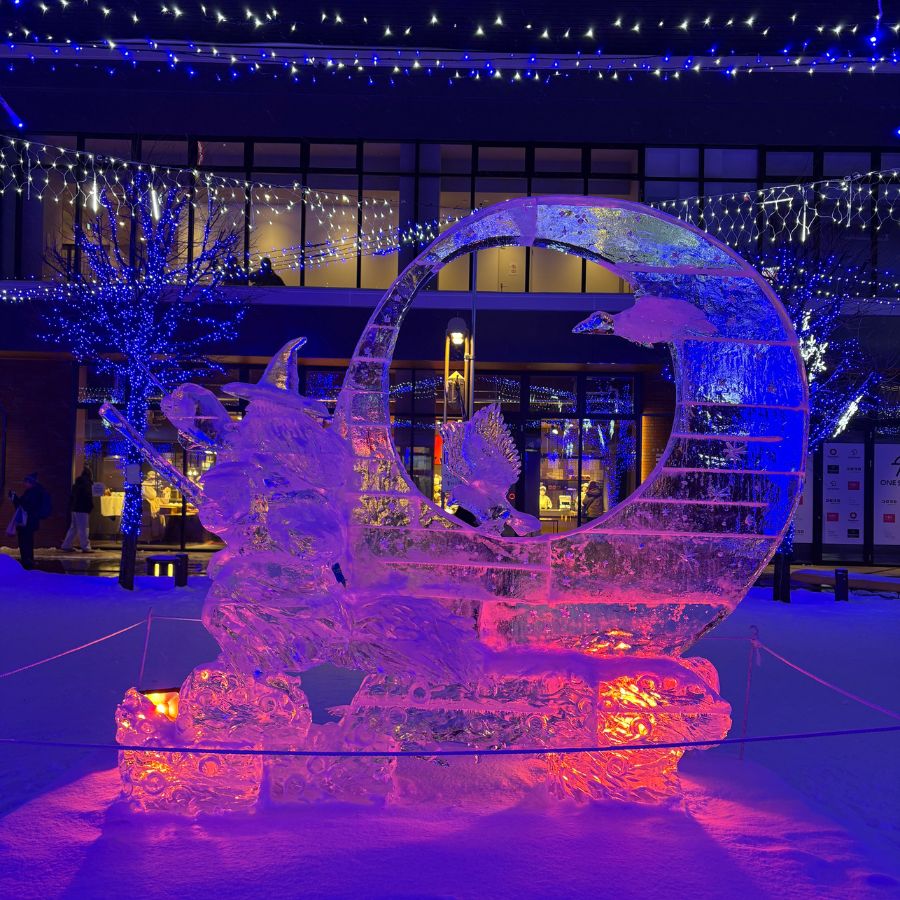
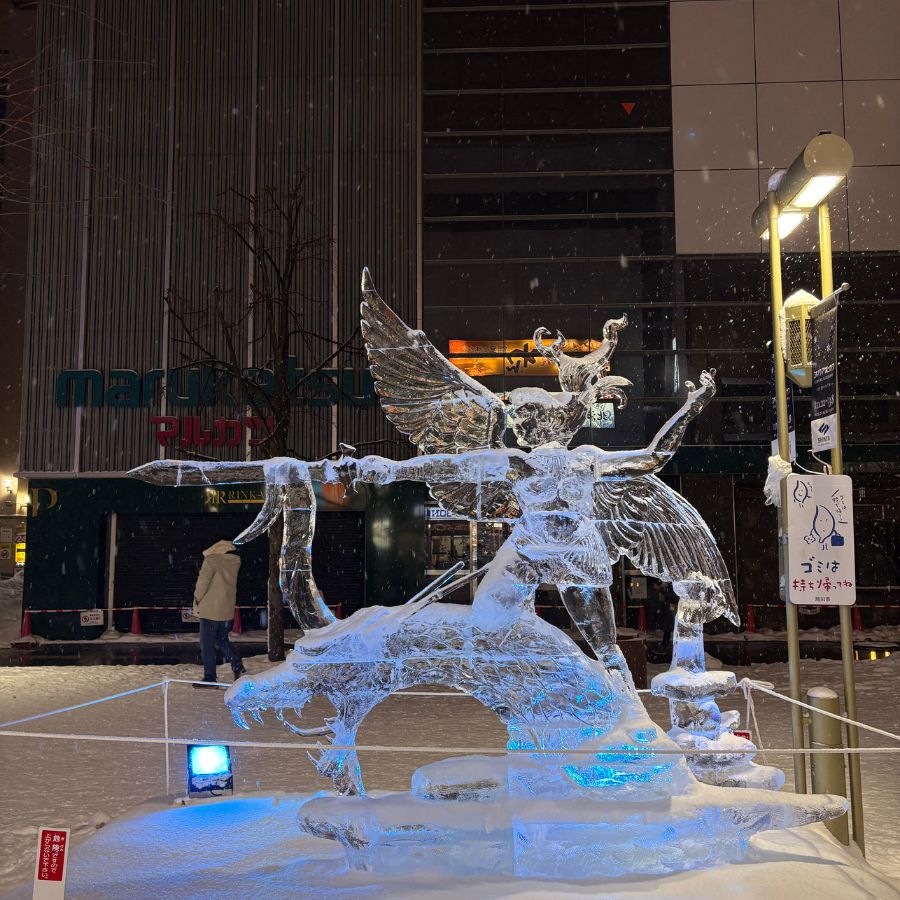
slower pace. During winter, Asahikawa also hosts its own ice sculpture festival. It feels like a
smaller and calmer version of the Sapporo Snow Festival, with fewer people but impressive ice
sculptures. If you stay in Asahikawa, I highly recommend walking around the city to enjoy these
winter displays.
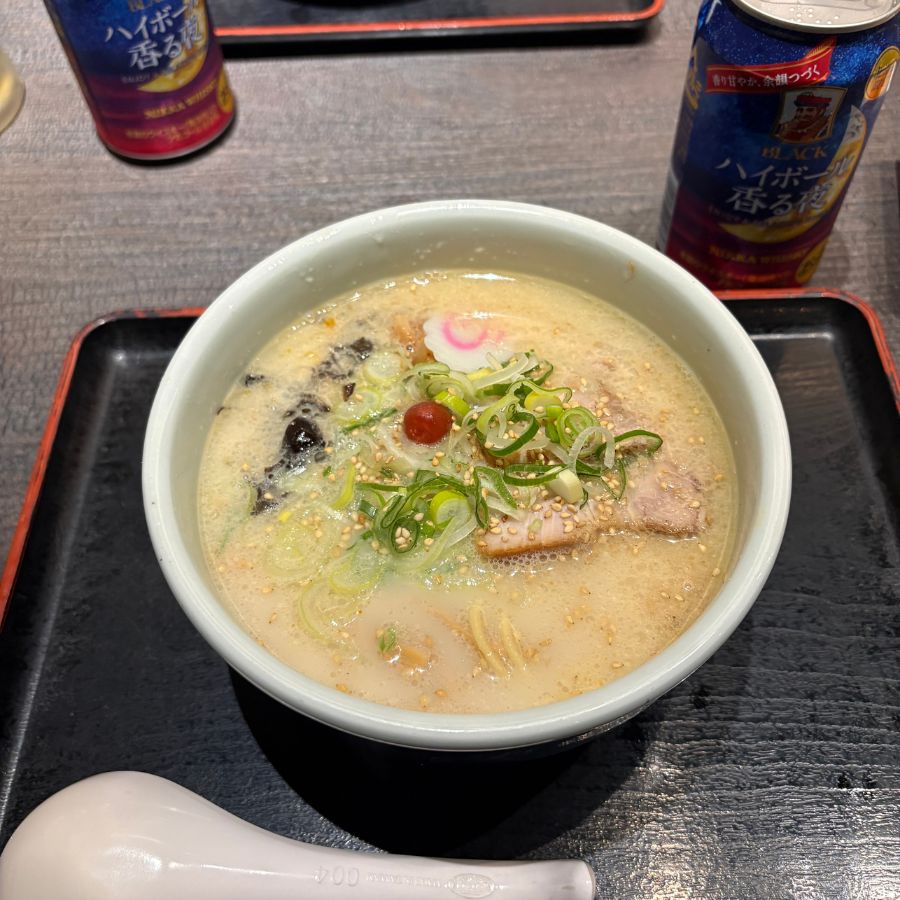
Staying near the station also makes it easy to explore local food. One thing you should not miss is
Asahikawa ramen. There are many famous shops in the area, and even if there is a queue, it usually
moves quickly.
Gear Rental Tips for First Time Ice Climbers
If you want to try ice climbing but are not sure whether you will enjoy it, renting gear is a great
option. This is especially helpful if you do not want to invest in expensive equipment or carry
heavy gear while traveling.
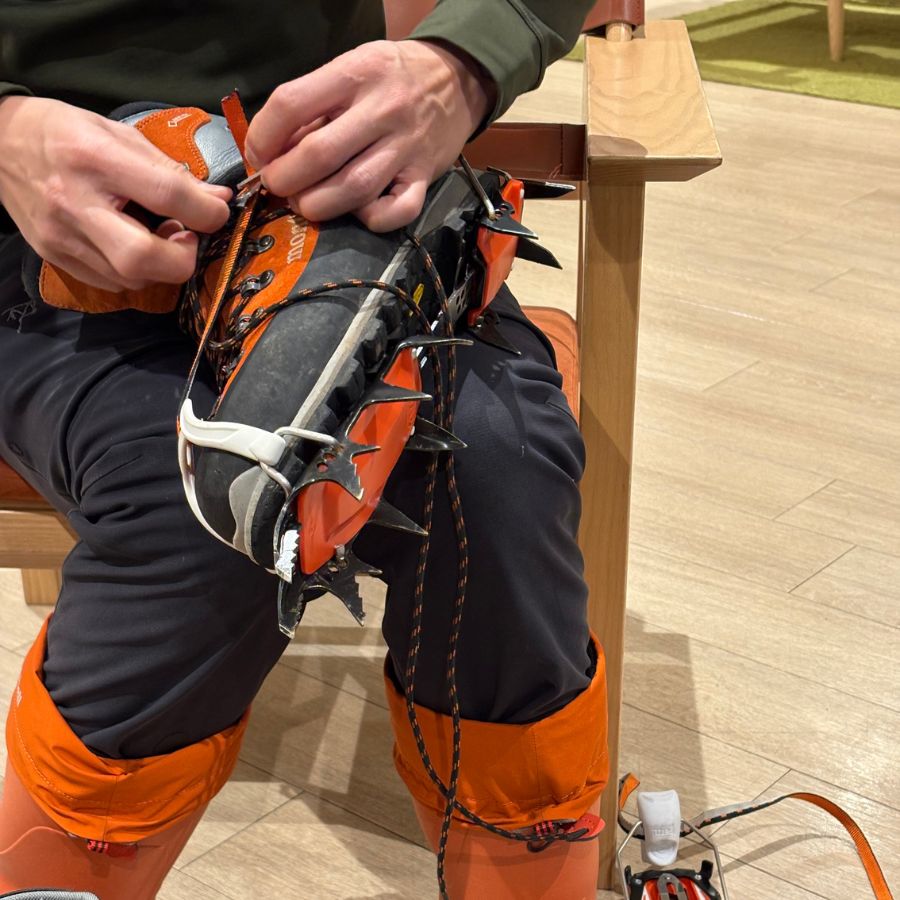
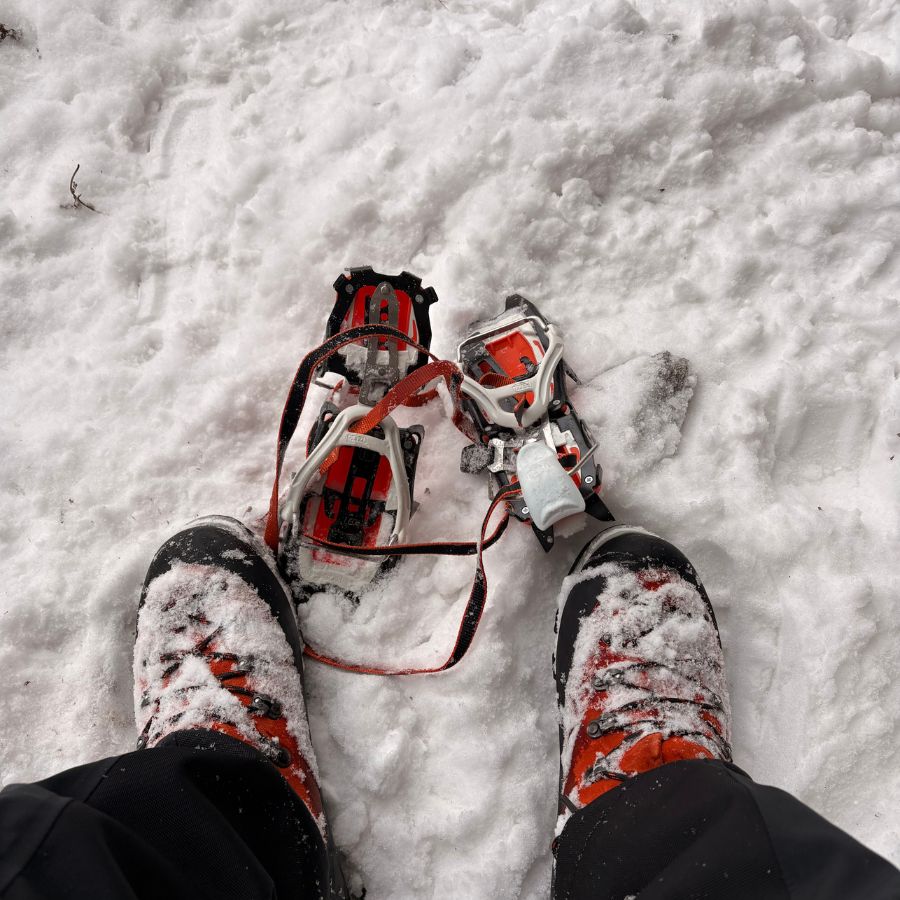
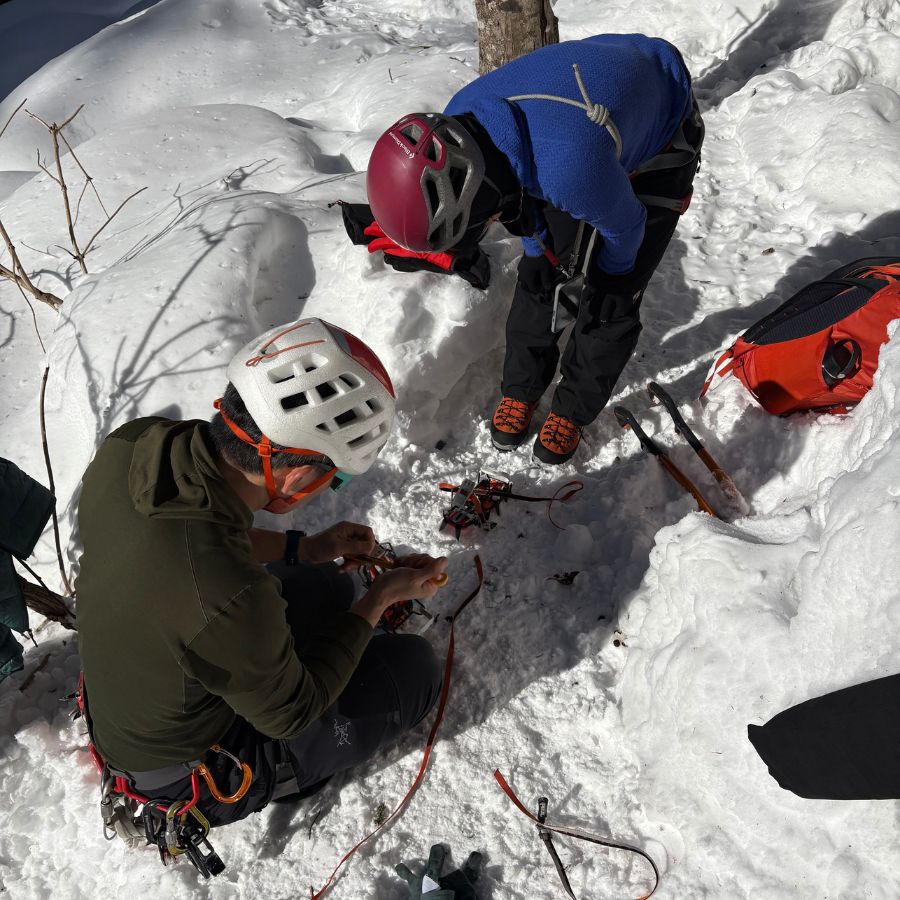
For this trip, ice axes and crampons were provided by QX. The only major item I needed to arrange
myself was mountaineering boots.
I rented mine from
YamaRent Japan
, a rental service that delivered the boots directly to my hotel before I arrived.
This made the whole process much easier and travel friendly.
If you are planning your first ice climbing trip in Hokkaido, I highly recommend looking into local
gear rental options. It reduces cost, luggage weight, and stress.
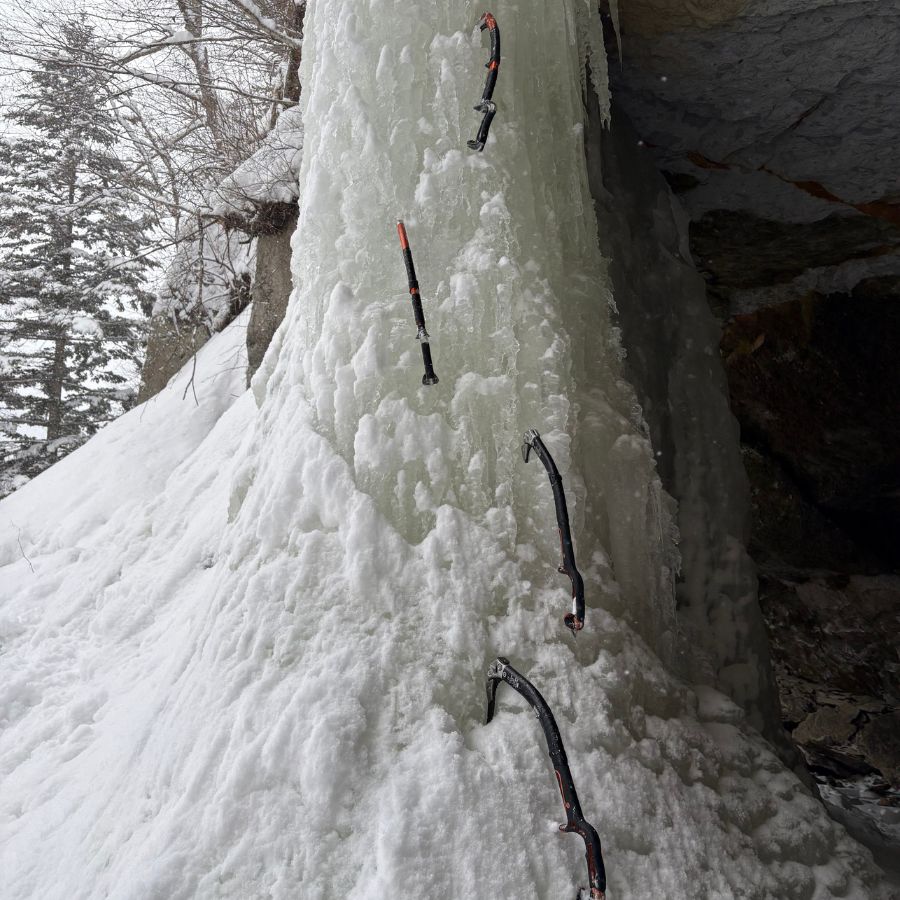
Final Thoughts Before the Climbing Days
This is a summary of my pre ice climbing itinerary in Hokkaido. I hope this helps other beginner
climbers who are curious about trying ice climbing in Japan for the first time.
The next blog post will focus on the actual ice climbing days. I will share what it felt like to
climb frozen waterfalls for the first time, what surprised me the most, and what I learned from the
experience.
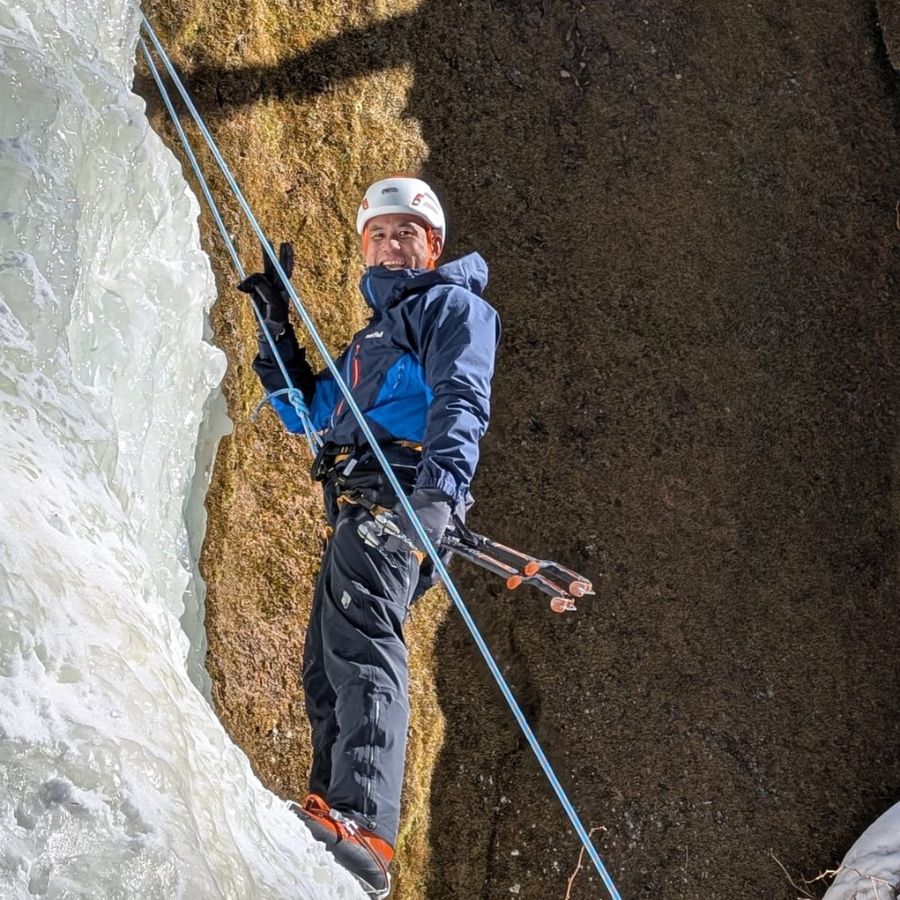
Below is ByrdieOnTheIce in action this season. In the next post, I will share what it felt like to
climb frozen waterfalls for the first time
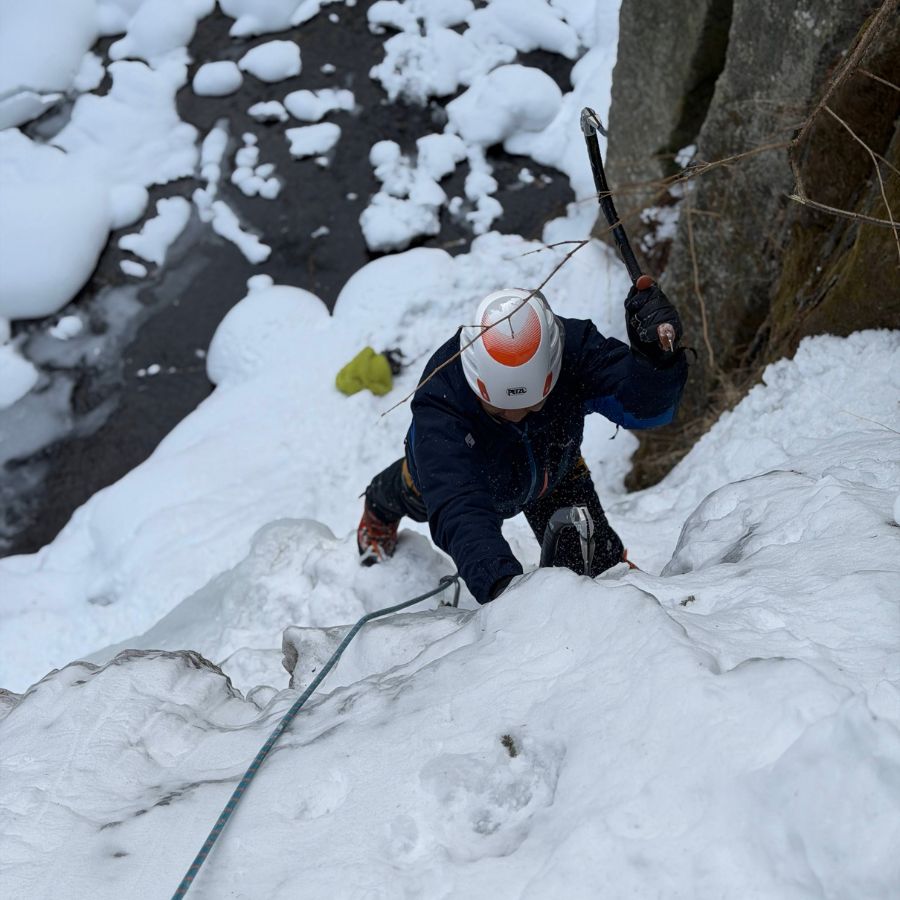
ByrdieOnTheIce
Until then, keep climbing and keep exploring.
ByrdieOnTheRocks :)